Members
Explore skull, chest, and limb structure in Terriers – how anatomy shapes breed type, function, and judging excellence.
The Weekly Brief
The best of SHOWSIGHT editorials, weekly wins, and breeder commentary — delivered to your inbox every Sunday morning.
This is the second article in a series on anatomic theory, applicable to many breeds, which will limit itself to Terriers, a Group uniquely rich in types, from toy to molossoid, yet genetically interconnected. Limiting myself in this way, I can make more relevant comparisons. It also refers to FCI Groups and Breed Standards, since this umbrella entity covers most of the earth by membership or association, and rigorously uses Standards from the country of origin; perhaps we can say, original documents? Hopefully the readers will all find a juicy bone of contention in the material—a sign of a healthy scientific atmosphere.
Judging a Cairn Terrier Specialty at the glamorous Italian Tirreno winner show in June, I had an unpleasant surprise. A handsome entry, exuding breed type, left me disappointed—the boxes did not match! At first glance, I was sure this dog would be excellent; on the table, the head was all in place, but then I found that the chest was a narrow heart. Looking back now, it could even have approached an oval. The ringside was mute when the entry walked out with a gift of Very Good, and there was a sour comment on social media from the owner.
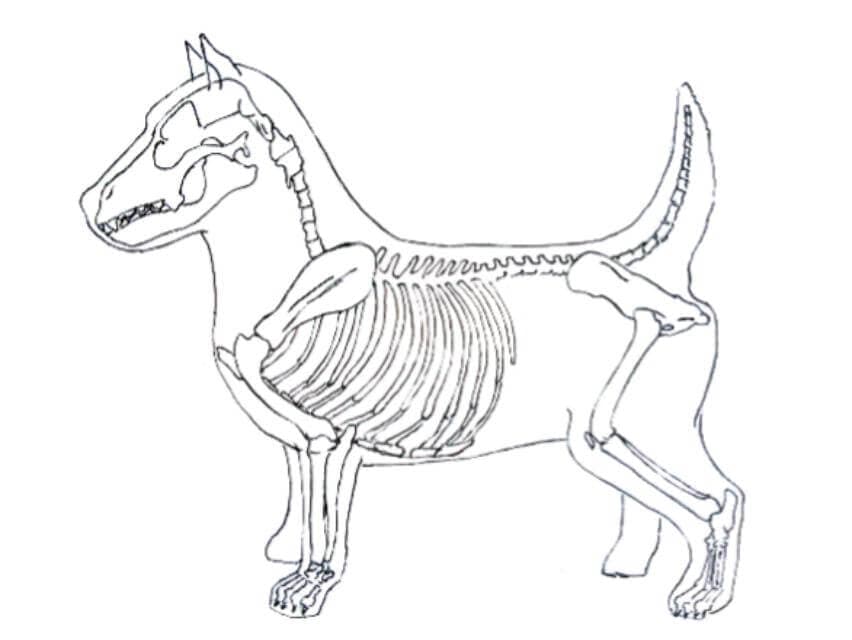
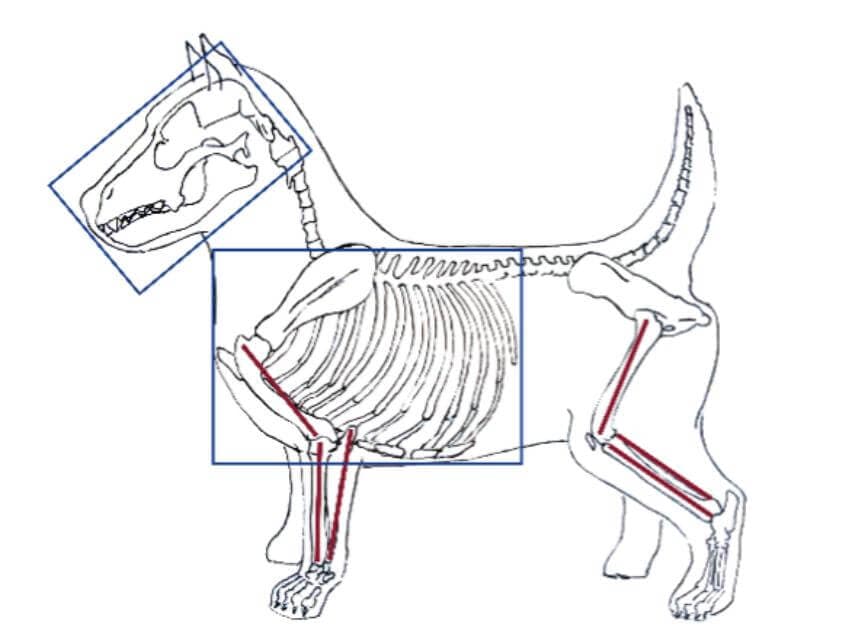
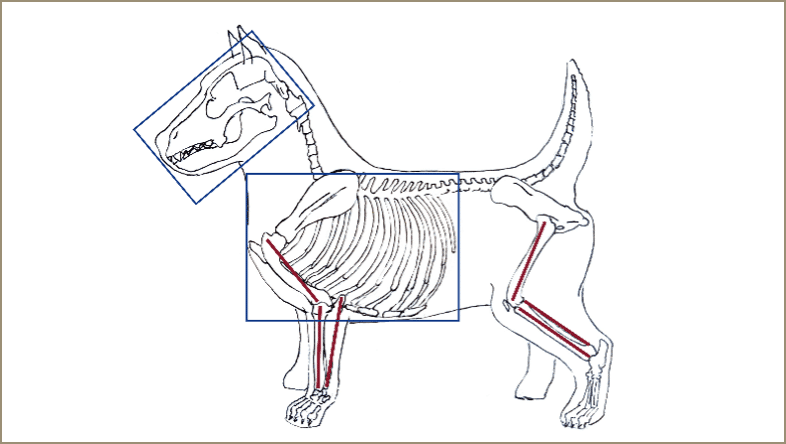
While top presentation may make certain dogs, especially some flashier breeds, stand out to the dog show tourist, the judge, in service of breeders, will be more interested in concrete genetic quality—construction as described in the Breed Standard. This blueprint is primarily impacted by two boxes and a handful of sticks. The two boxes are the cranium, made up of plates of flat bone, and the chest, an elastic fibrous structure. The sticks, of course, are all the long bones that make up the appendicular structure; the thoracic and pelvic limbs.
In the prior article1 of this series we explored the pelvis, an intricate composition that deeply influences type and function. In a way, the pelvis could be seen as a third box because the pair of pubis bones meet underneath, but it is more like a horseshoe, hinging on the sacroiliac joint.
Our first box, the head, includes the cranial region and the facial region or muzzle. Craniums are divided into three major types:
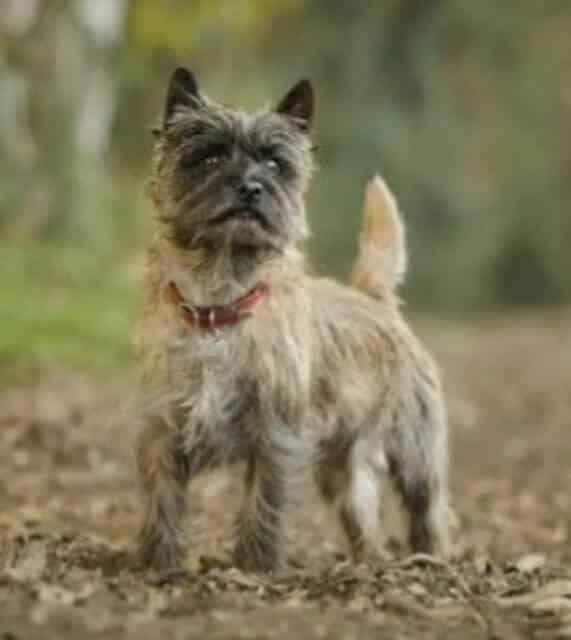
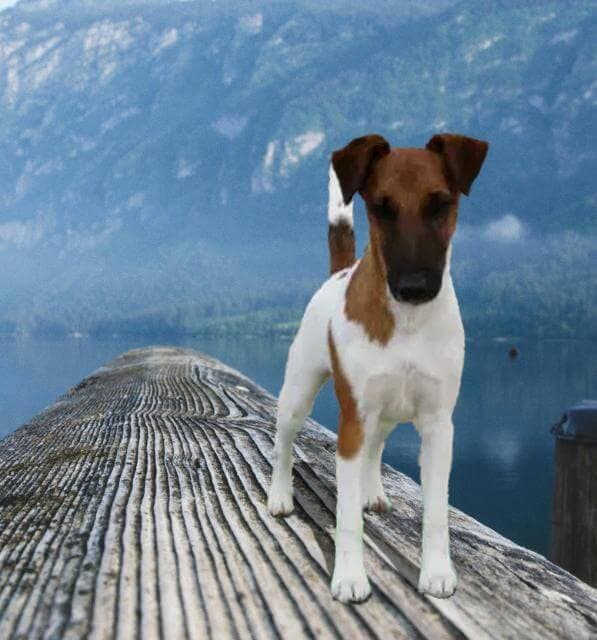
The almost brachycephalic group includes the Cairn Terrier skull is described as broad, and the features located in this region are also distant; ears: not close, and eyes: wide apart. The same is true of Norfolk, Norwich, and West Highland White Terriers. The Welsh Terrier is a midway point, moderate width; the Irish Terrier is slightly narrower and longer (proportionately) than the Welsh; then the Fox Terrier is nearly Dolichocephalic.
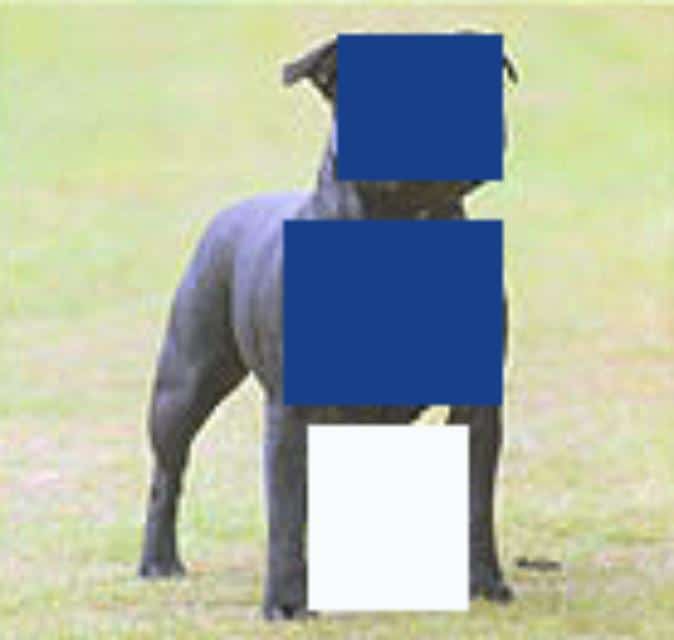
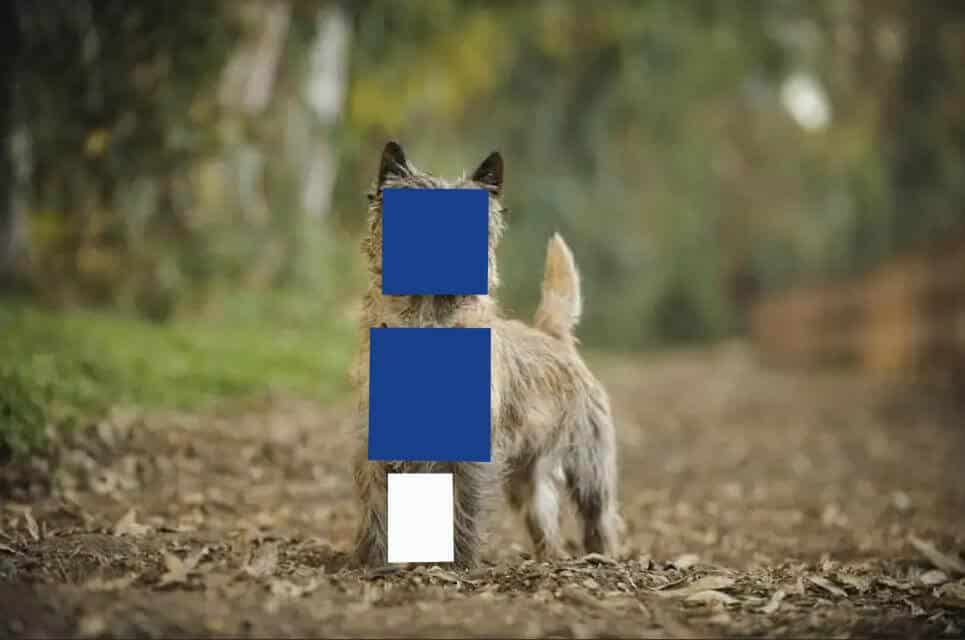
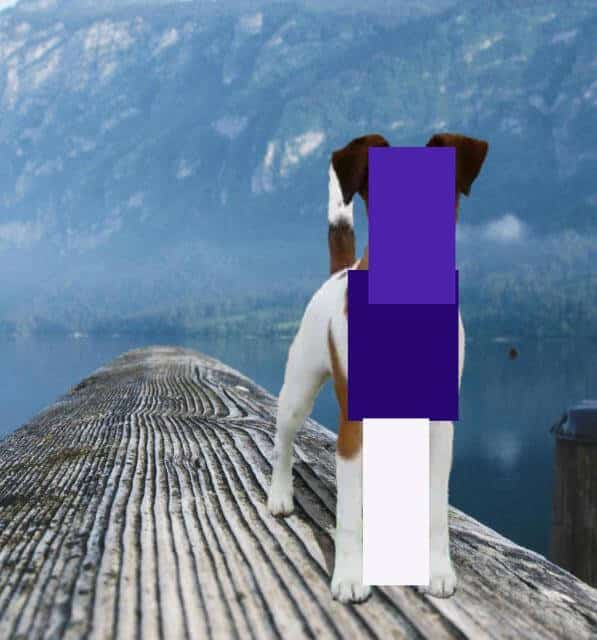

The second box in the dog is the chest. Bony articulations attach the ribs to the spine like shutter slats that can rotate forward and backward when the dog heaves for air after a gallop. They curve from the spine downwards toward the sternebrae and attach there through elastic cartilage bridges. Like the skull, the chest can come in several models2:
The heart-shaped chest can be either well sprung or moderately sprung3 (spring is the extent to which the ribs develop horizontally from the thoracic vertebrae), but the heart shape is standard gear, the default chest. The Jack Russell Terrier Breed Standard describes the heart shape with clarity: Chest: Deep rather than wide… Ribs should be well sprung from the spine, flattening on the sides… This is fundamentally different from the oval or the rounded which have a continuous curve downwards to the sternebrae.
Harmony of proportions dictates that the two boxes mirror each other. Seen from the front we can appraise the degree of harmony all in one shot, comparing the frontal width of cranium to the negative space between the thoracic limbs, which should be similar4. The broad cranium Cairn has a wider chest that determines a wider rectangle of negative space between the limbs. The narrow Fox Terrier, moderately sprung, places the thoracic limbs under the chest only slightly distant from each other, leaving a comparatively narrow rectangular box of negative space between them. Then there are the more extreme models—the streamlined oval Bedlington5 and the grounded barrel of the Staffordshire.
The type of chest a dog is fitted out with serves a specific functional purpose. Narrow, light construction promotes instability—ideal for the chase. The broad-based dog possesses stability—ideal for combat. The range of hearts confers versatility. The racy Irish is a narrow heart, since the breed must chase, but not overly so, since he must then work rats in the farmyard and help out in a general way. The well-sprung Westie and Cairn need stability and substance to navigate cliff ridges and tackle badgers, but with sufficient versatility to maneuver in the badger set. They are not traditionally spanned like the Parson Russell Terrier, Border Terrier, and Jack Russell types (narrow heart), but do go to ground. This brings us to the sticks.
The relatively short legs of the Cairn are what fit him to be a burrowing Terrier. The Fox, Border, Parson, and JRT use chest size (41-42cm) and shape (narrow heart) to enter the den just like the fox; we can say that Fox Terriers are not wholly unlike a fox seen at a distance6. A well sprung, wide chest would get stuck in the small fox holes. The narrower breeds are fitted with long legs to get to their quarry7 running between the horse’s hooves. However, the short legs on the wide burrowing breeds, like our Cairn, are the technical gear to maneuver these dogs in tight spaces, we might say they are not very distant from the general proportions of a badger. The shorter sticks also provide power to move the rocks of the Cairns.
These breeds are similar to each other, especially seen from the side in so far as they are all balanced. The sticks on both well sprung and moderately sprung dogs need to be aligned under the major pivot points—the thoracic limb under the withers, the pelvic limb under the point of buttocks. They are equidistant from the barycenter (located between the heart and the floating ribs) and balanced in angulations of the point of shoulder (scapulohumeral articulation) to the knee (femoral-tibial angle).
The differences are most pronounced seen frontally and from above. The reasons behind these variations of construction are theories today since our dogs spend most of their time lounging on the sofa, but that is how the breeds developed over time in their native environment when they were needed as hunting partners. During an evaluation, both for esthetic and functional reasons, look for harmony between boxes and well aligned sticks which will distinguish excellence from the ordinary irrespective of talented grooming and presentation.
Canine Health