Members
A look at the Silky Terrier’s history, evolving Standards, and how size and coat length shaped the breed from its early Australian origins.
Silky Terrier Club of America, Inc.
The Weekly Brief
The best of SHOWSIGHT editorials, weekly wins, and breeder commentary — delivered to your inbox every Sunday morning.
(This article represents excerpts from “The Silky Terrier: The Standard and a Discussion.”)
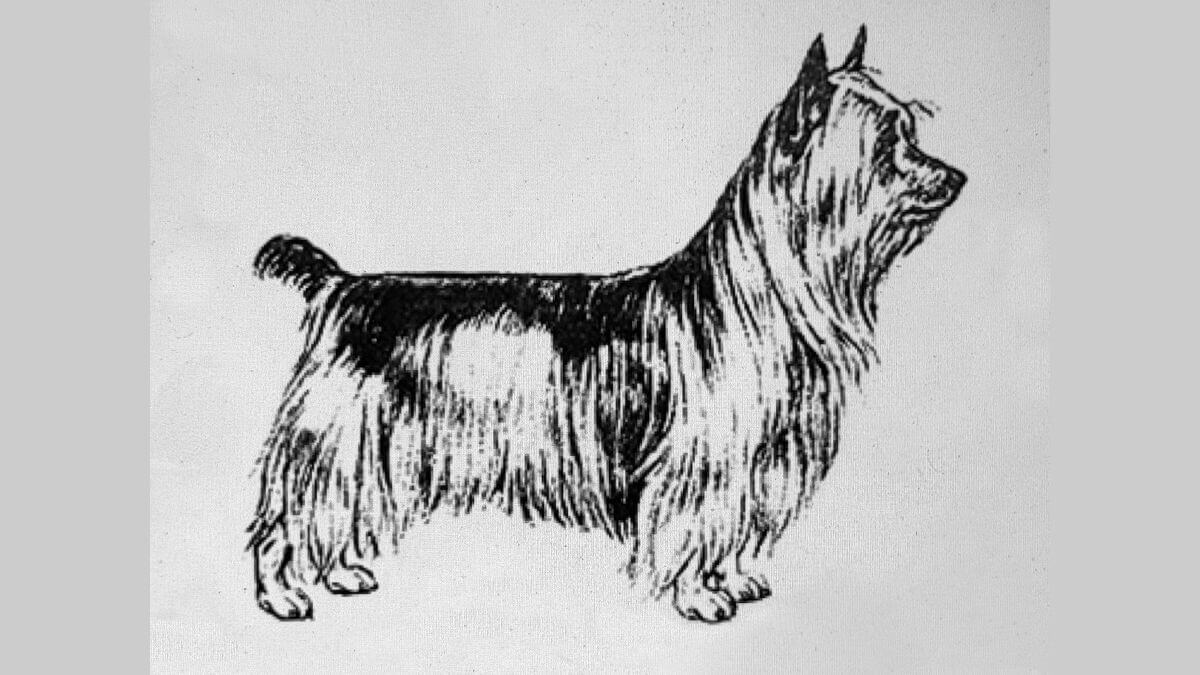
The Silky Terrier originated in Australia at the turn of the [last] century from a cross between the Australian Terrier, a rough-coated small terrier, and the Yorkshire Terrier, a Toy dog with a long, silky coat. Some of the offspring were of the Aussie type while others were Yorkie-like. Still others combined the best points of the two breeds. This last group possessed the sturdiness of the Aussie and the beauty of the Yorkie. These ancestors of our modern Silkies were bred together. Eventually, type was set, and the puppies in the litters grew more and more similar.
Standards for the breed were adopted in New South Wales in the early 1900s and in Victoria in 1908. The breed was known in New South Wales as the Sydney Silky Terrier and in Victoria as a Victorian Silky Terrier. Sydney Silky is the term early fanciers in America were best acquainted with. Today, the official name of the breed in Australia is the Australian Silky Terrier, and a single Standard has been adopted.
Australian Silky Terriers made their first appearances in the show ring in South Australia about 1919, and the first Challenge Certificates were awarded there in 1924.
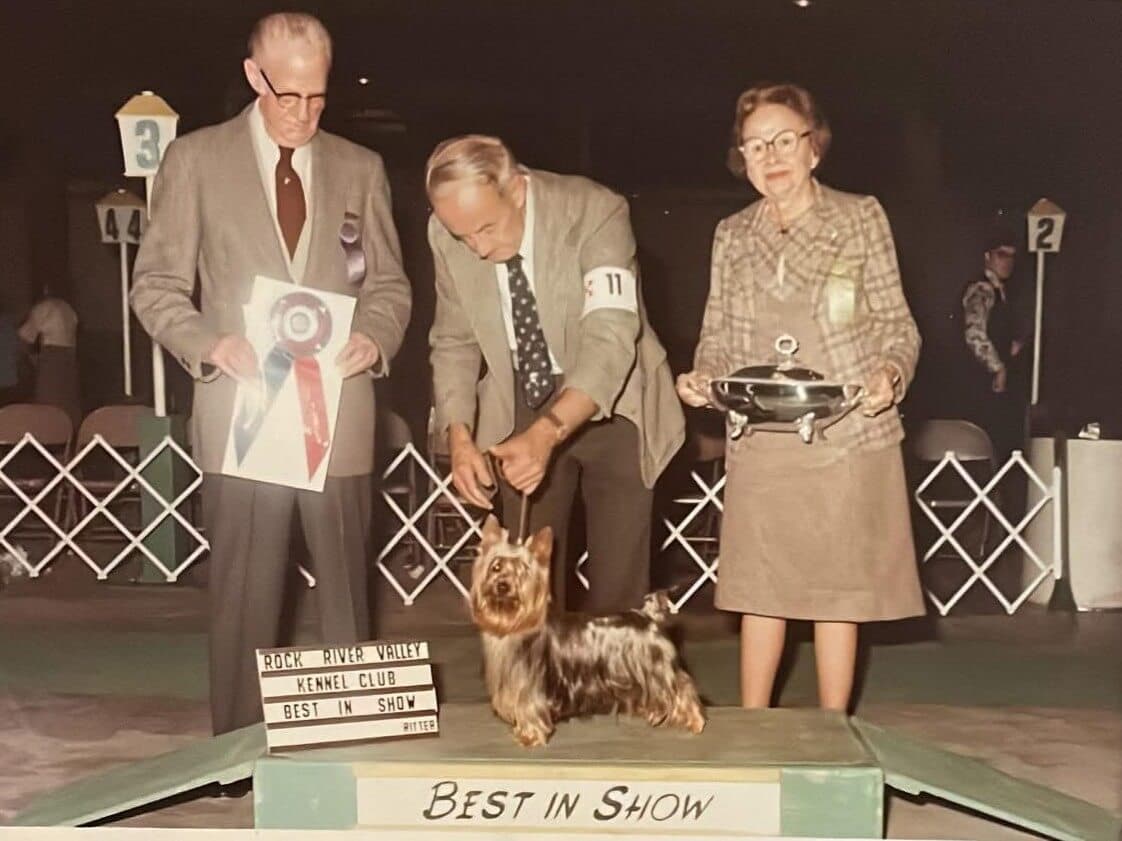
Silky Terriers were recognized by the American Kennel Club in May of 1959 and first competed for championship points in July of 1959.
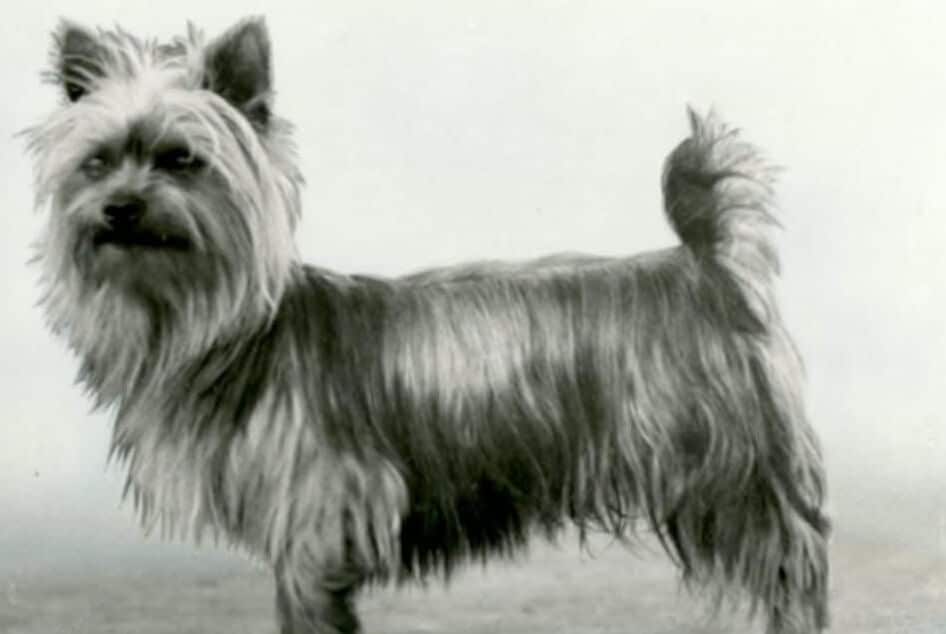
The history of the Standard(s) in Australia may give us some clue as to why “the powers that be” in that country decided to specify a five- to six-inch coat length in the Standard that was adopted by the then newly formed Australian National Kennel Council. This was the fledgling organization’s first order of business due to the imminent “recognition” of the Silky Terrier by the American Kennel Club. The Standard was rushed to the AKC, and the official Standard for Silkys in the United States of America was fashioned from it.
Prior to 1959, each Australian state was free to have its own Standards for the four native breeds. There were various Standards for Silkys, but all specified a weight range of from six to twelve pounds. Concerning coat, all stated, “Length not less than six inches desirable. Picture, if you will, a six-inch coat on a six-pound dog and on a twelve-pound dog. Unrealistic? Of course it is… just as it is unrealistic to require a five- to six-inch coat on a ten-pound dog, ten-inch dog.
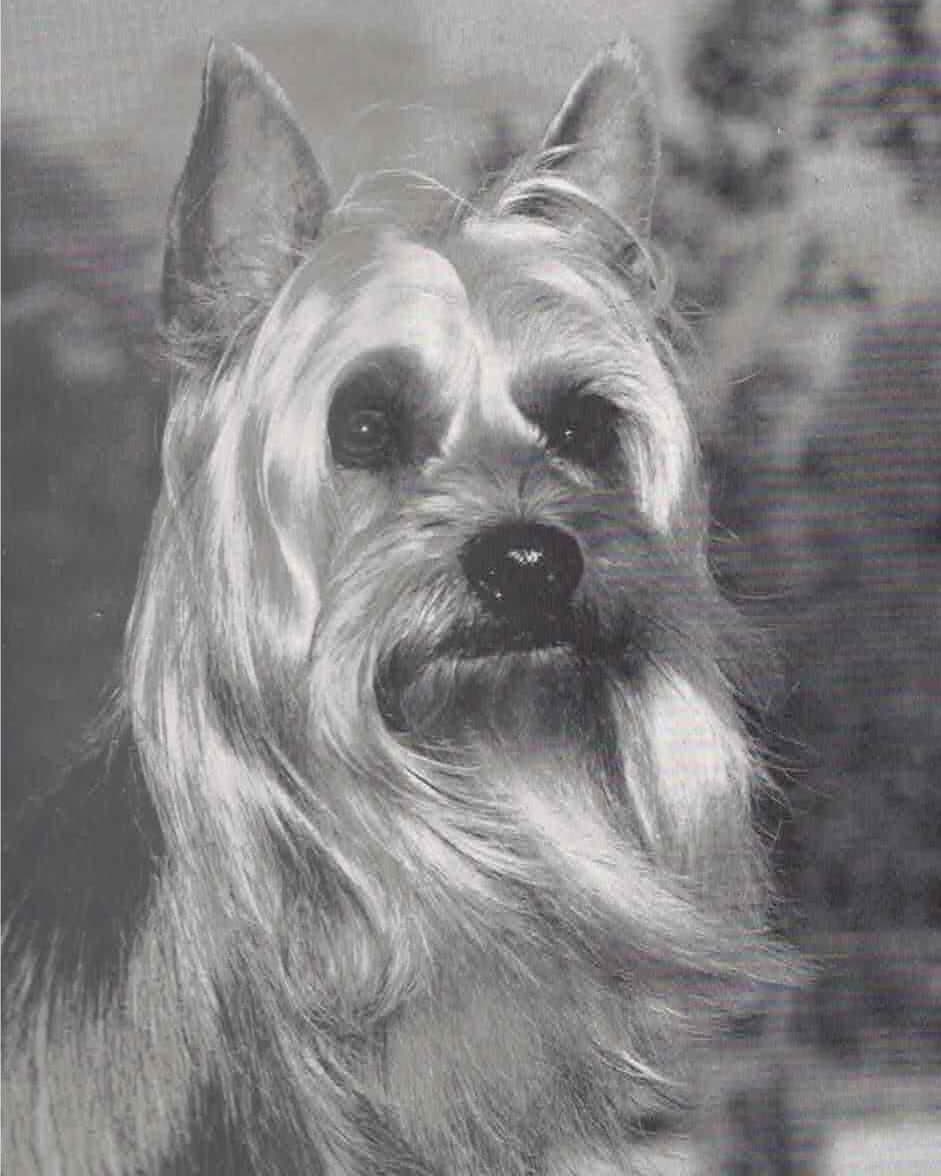
The National Standard in Australia was compiled by a committee of Kennel Club representatives from the three Australian States with the greatest number of Silkys. All of these men, rightfully, wished to see the Silky get as far from Yorkshire type as possible. They felt this could be accomplished by the increase of minimum weight from six [pounds] to eight pounds and was the probable reason for the decrease in coat length from “not less than six inches” to five to six inches.
The late Frank A. Longmore, dean of Australian judges at the time the Standard was written in 1959, was on the committee. Speaking of the new Standard, as well as the breed’s progress since the mid-30s, Mr. Longmore commented, “Progress with the Silky Terrier was not as satisfactory (as with the Australian Terrier). There were those who desired a silky-coated toy terrier of Australian Terrier type (the Silky) weighing approximately eight to ten pounds, and others who preferred a much smaller dog. As the standard weight of Yorkshire Terriers in Australia was ‘up to seven pounds’ it became increasingly difficult to discriminate between the small Silky and the so-called Yorkie. Weight standardization in both the United States and Australia, from now on, have a big influence on the improvement of the breed.”
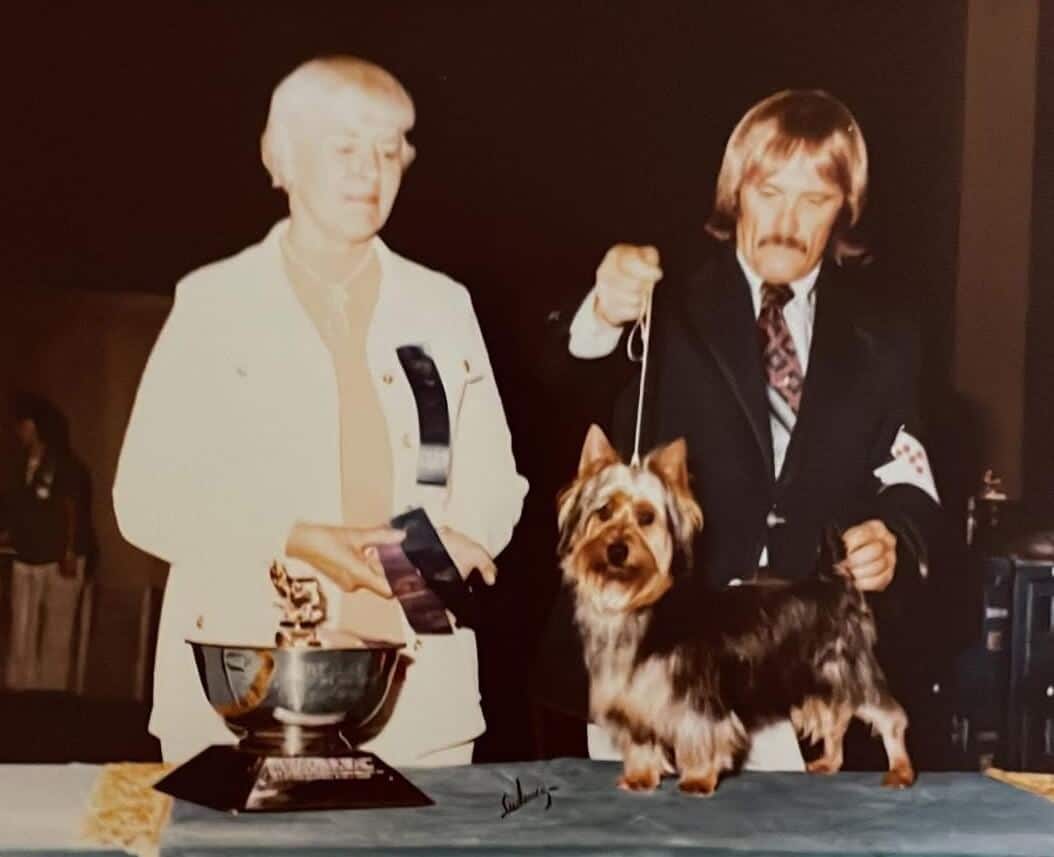
Although the Silky leans more toward the Australian Terrier in type than to the Yorkie, there is still no room for confusion. There is the obvious difference in texture and length, but the Aussie is also a larger, more rugged dog. The Australians call for an approximate weight of sixteen pounds in their Standard while twelve to fourteen pounds is specified in the American Standard. The majority of Aussies in the ring in the United States probably weigh closer to twenty pounds.
The discussion of the Silky Terrier Standard is the result of the combined effort of Peggy Smith, Beverly Lehnig, and Mary Estrin. This endeavor represents, altogether, a total of 72 years of experience in the breed.
The material… was first presented by Mrs. Smith, Mrs. Lehnig, and Mrs. Estrin at a symposium sponsored by the Dog Judges Association of America, Inc., on May 28, 1982.

Canine Health