Members
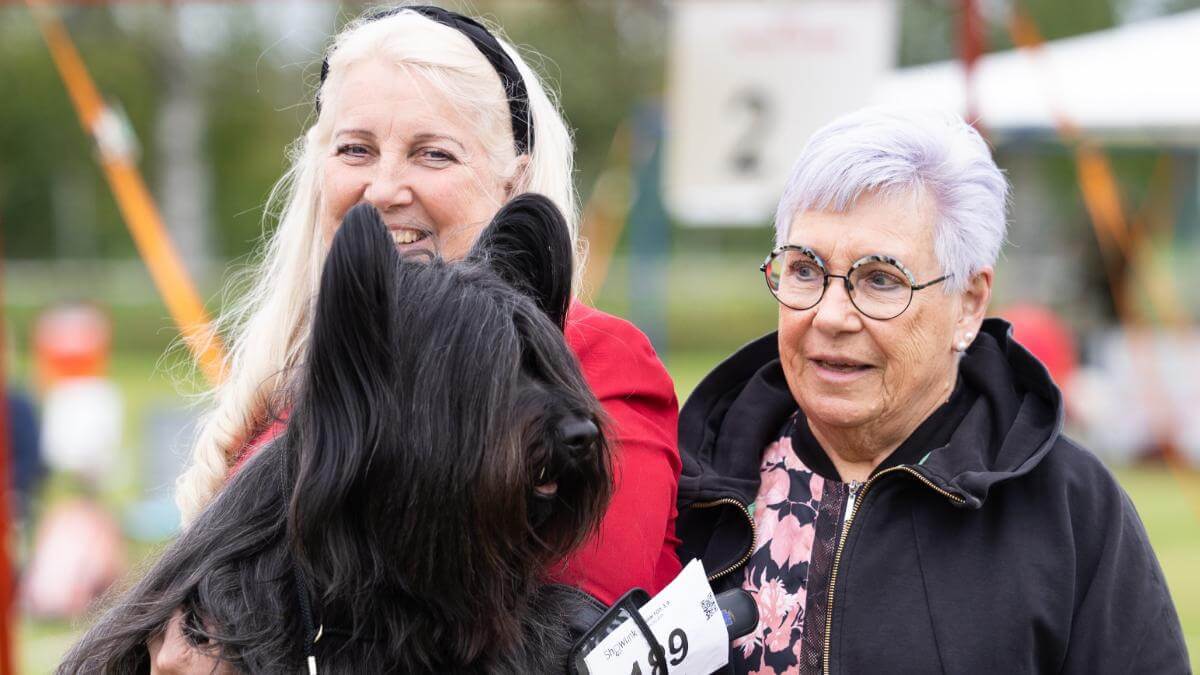
Mother-daughter team breeding Skye Terriers in Finland with focus on health, temperament & preserving breed standards.
The Weekly Brief
The best of SHOWSIGHT editorials, weekly wins, and breeder commentary — delivered to your inbox every Sunday morning.
Thea Dahlbom & Carina Kitti
1. We are mother and daughter, Thea Dahlbom and Carina Kitti. We breed Skye Terriers under the kennel name Finnsky in Helsinki, Finland. Our first dog came to the family 55 years ago, and we have been breeding for 50 years. We typically have puppies about once a year; this way we can follow the puppies’ development better.
2. The breed is especially known for its long, straight hair, elegant appearance, straight topline, excellent mobility, and nimbleness. Healthy movement requires good muscle condition (strong muscles) and solid bones (bone structure) as well as a healthy front.
3. We think and plan carefully about the next litter every time. We are lucky because we already have puppy homes for future puppies.
4. DNA tests give more and more information about the health status of the breed. It’s easier to communicate and send information to the puppy buyers and breeders via email, WhatsApp, and videos.
5. People are more and more interested in mixed-breed puppies, such as cavapoo, Australian labradoodle, and so on, which are not purebreds in Finland, or anywhere. Unfortunately, the general public still believes that purebreds are not as healthy as mixed breeds.
6. Judges’ and breeders’ interpretation/knowledge of the Breed Standard varies. If breeders only look for a specific structural change in the dog, and do not consider the whole, then improving a specific part can affect other structural deficiencies. This is why every breeding is not always good enough to lead the breed in the right direction. Temperament is important when considering breeding.
7. Puppy buyers seem to know better and are interested in the health in the breeds.

Meet the Breeders