Members
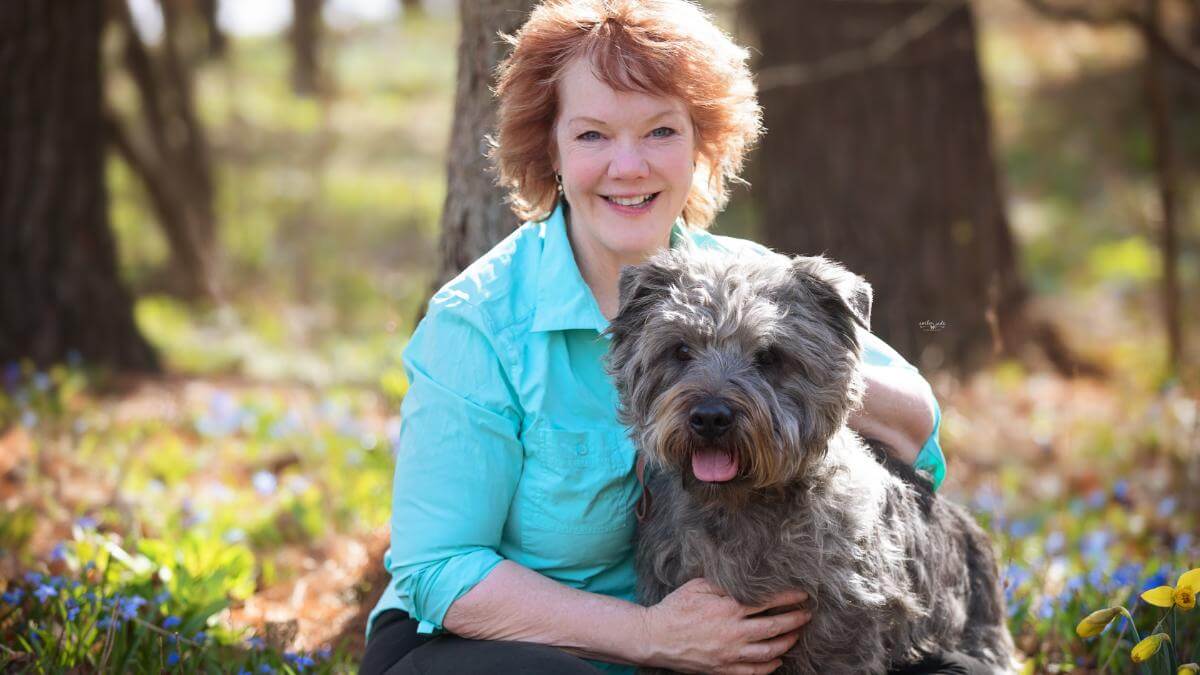
Preservation breeder Dr. Theresa Nesbitt shares her journey with Glen of Imaal Terriers and insights into this unique, rare breed.
The Weekly Brief
The best of SHOWSIGHT editorials, weekly wins, and breeder commentary — delivered to your inbox every Sunday morning.
Theresa Nesbitt MD
1. I am Theresa Nesbitt MD and I live near Chicago, Illinois. I also have a home in County Wicklow near the Glen of Imaal in Ireland. I got started in dog showing and stud dog breeding with a young male Irish import in 2013 and I bred my first litter in August of 2016. I owe my great fortune and success to Ann and Nick White who mentored me, provided me with dogs and bitches, and passed on the Abberann affix for me to develop in the US while we continued to co-breed Glens in Ireland.
2. Glens are a classic dwarf breed: a “big dog on short legs” with maximum substance for size. They have large, impressive heads with a foreface of power, large teeth, and well-developed cheek muscles that can deliver a powerful, crushing bite, but this is combined with small rose or half-prick ears and an expression that oozes charm. The chest is deep and full, extending well below the elbows; the very well-angulated, shortened, and bowed forequarters curve around in a wrap-around front, and slightly turned-out feet create a balanced base of support. This lowers the front relative to the rear, giving the characteristic slight rise to the topline. The distinctive silhouette is low-stationed and rectangular, with excellent reach and drive with a slight, but obvious, rise in topline.
As a preservation breeder, I believe it is essential that we protect the very genes that make this breed unique in appearance and temperament. We must resist the pressure to breed Glens that are more appealing because they look more modern and generic. Once lost, these “old-fashioned” genes cannot be resurrected or replaced. Our Breed Standard says it well: “Unrefined to this day, the breed still possesses ‘antique’ features once common to many early terrier types.”
3. Although the number of registered puppies has increased over the past 10 years, awareness and interest in the breed has made it fairly easy to find enough puppy homes.
4. My original goal for preservation breeding of Glen of Imaal Terriers was to collect and store frozen semen for the future from health-tested Champion male Glens of excellent temperament and breed type. The advances in theriogenology mean that we no longer need to do surgical implantations, and that semen will be available in the future if the breed experiences bottlenecks or health issues.
5. I think there has been a renewed interest in purebred dogs from qualified breeders as a viable and desirable alternative to designer dogs and rescues.
6. There’s a concerning amount of vitriol, especially in social media. I don’t believe it’s an encouraging environment for newcomers (or not-so-newcomers).
7. For an information junkie like me, there is an astonishing amount of information available. With all the tech advances and digitization, you can look up almost anything. Rapid advances in genetics are making it possible for breeders to ensure a healthier future for our dogs. An emphasis on preservation and purpose-bred dogs helps us connect to the past as we discover more about how humans and dogs have connected over time, place, and history.

Meet the Breeders