Members
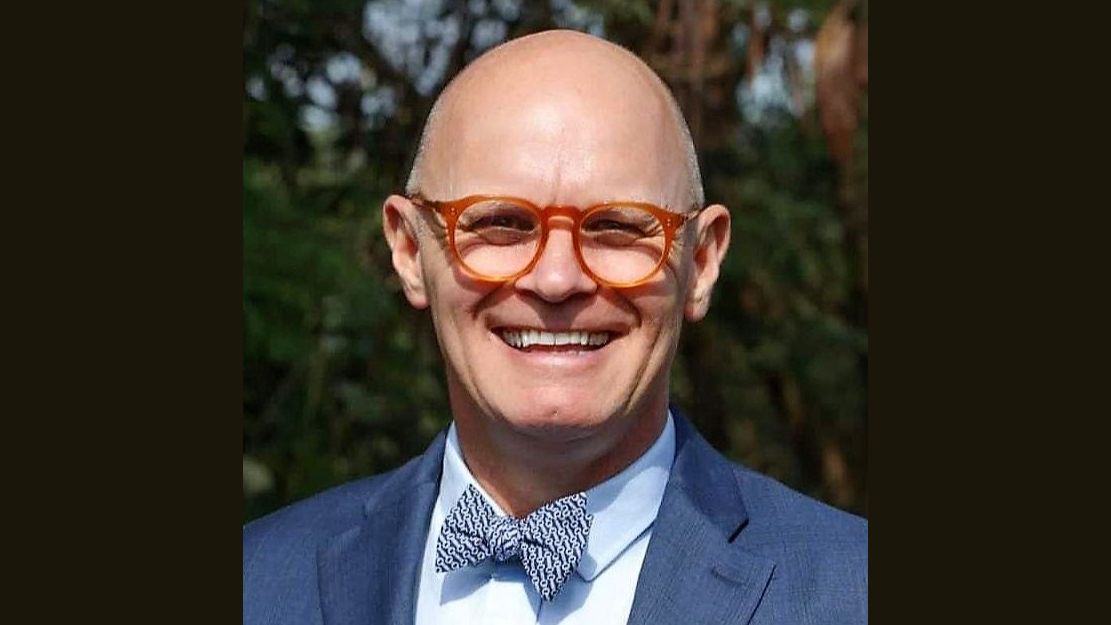
Insights from Terrier Group AKC Judge Tracey Kallas. Read about judge’s opinions on various topics regarding the Terrier Group dog breeds.
The Weekly Brief
The best of SHOWSIGHT editorials, weekly wins, and breeder commentary — delivered to your inbox every Sunday morning.
Tracey Kallas: I live on a little farm in Northeast Colorado. When I was a child, my dad bred Golden Retrievers, but my mom had a Scottish Terrier, and while both breeds still hold a place in my heart, I have always loved the Terrier temperament.
I’ve had dogs all my life; bred Rat Terriers for 28 years and been a UKC judge for 12 years, and an AKC judge for three years.
Tracey Kallas: For many years, I was a photographer for Dog Fancy. And while I still do lots of dog photo work, I’ve expanded into candids for weddings and senior photos. Since moving from the mountains to the plains, I’ve become very involved with Nigerian Dwarf goats, gardening, and writing.
Tracey Kallas: In my early 20’s, I was doing a lot of running and my aged Scottie just didn’t care for the activity. I started looking for a Terrier that had that same Terrier intelligence and sense of humor, but with a little longer leg. After interviewing for a “Jack Russell” puppy and being turned down because I had young children, the Rat Terrier was recommended to me. I fell in love. So, my original breed is the Rat Terrier and my line is K2 Rat Terriers.
Tracey Kallas: Yes, for UKC! Not yet for AKC.
Tracey Kallas: In general, the Terrier temperament isn’t for everyone, and I think that this filters down through all aspects of breed-related statistics. They are super-smart and can be easily bored. They have to have a job or they can be hyper. You can’t be a pushover or they’ll rule your life with a furry iron fist. You have to be as persistent as they are and still be able to laugh if you want to ensure that they’ll have manners.
They have a need to be active in a culture that enjoys staring at phones for hours a day. All of their Terrier-inherent traits can make Terrier ownership more of a challenge that not everyone is up for. And as the general demand decreases, so do the numbers of Terriers we see in all venues. However, I hope there will always be smart, active people who appreciate all the Terrier attributes.
Tracey Kallas: Low entries do not equate to low quality. In fact, I think the quality of those Terriers still working on their conformation goals through the pandemic has improved. The Terriers I have been seeing have been well-presented, structurally sound, and of appropriate temperament. I have heard enough about “COVID” puppies for any and all temperament glitches; just work through your socialization. We all know and accept that puppies will be puppies.
Are there areas of the country where Terriers are particularly strong? Any areas where they are in trouble? I have found on both coasts that the Terrier entries are significantly higher than in other areas of the country, whereas at the more rural areas and smaller shows I don’t see the numbers; however, the entries I do see have usually been of exceptional quality. Considering the work that Terriers are bred for and capable of, I would be excited to see some of the smaller shows have a stronger showing of a good working Terrier.
Tracey Kallas: I think this depends on experience and which Breed/Group the judge comes from. Not all Terriers are built the same, because not all Terriers do the same thing. Form follows function. There are some very typical Terrier traits that do not apply to all Terriers. I think the most common thing that I hear complaints about is that not all Terriers should have the completely straight front, or “daisy cutter” pendulum-type movement that requires short, mincing steps and slower movement. If one simply falls back on stereotypes when judging this Group, instead of reviewing the standards to note those exceptions, it is easy to pass by some really correct-to-standard examples of a breed.
Tracey Kallas: Alan Krenek, Rebekah Rivera, and Sheree Sanchez “influenced” me until it was easier to just go with the flow—heartfelt gratitude to each of them.
Mrs. Ann Hearn always picked the right dogs and, even when the dog wasn’t yours, she still made you feel good about it. Dr. Andrea Bradford is a “go-to” for structure and type, and runs her ring efficiently and effectively. Mr. Dana P. Cline has an eye for detail that is unmatched and he is so great at answering questions with patience and kindness.
Tracey Kallas: A Rat Terrier, of course!
Nothing specific, just a general impression of the event: Sitting ringside at Montgomery, surrounded by Terrier people who are passionate about their dogs and who openly share their knowledge, was priceless. The atmosphere and energy created by so many dogs of the same Group coming together always makes that event worth attending.
I was judging Juniors in a large, open barn-type environment where the only young girl entered had a Rat Terrier. She was very professional (and adorable) in her little suit and sparkly show shoes, and she had obviously worked very hard to present her dog.
The dog, on the other hand, was giving her a hard time because it was a Terrier in a barn where there were way too many things to smell and do. They held it together right up until they finished their down and back, at which point a mouse ran between us, and the Terrier left the building chasing it—with mom chasing the Terrier! The little girl looked at me with her eyes as big as saucers, and then we both started laughing.

Meet the Judges
Sharon Ann Redmer reflects on judging Herding breeds at Westminster 2026, highlighting breed function, type, and standout winners.