Members
Discover how the German Wirehaired Pointer’s rugged coat defines its purpose, versatility, and enduring hunting heritage.
Hadley George
The Weekly Brief
The best of SHOWSIGHT editorials, weekly wins, and breeder commentary — delivered to your inbox every Sunday morning.
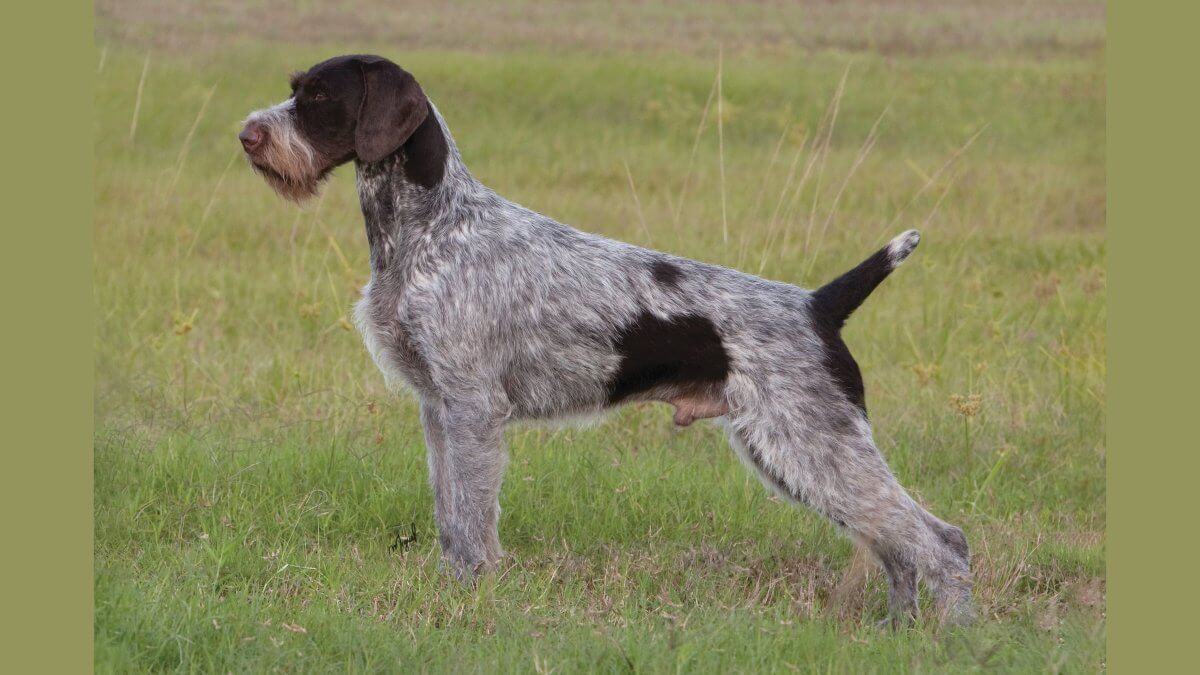
When you meet a German Wirehaired Pointer (GWP), one feature that always stands out is its scruffy beard, expressive eyebrows, and matching rough, wiry coat that adds to its distinct appearance. The GWP’s coat isn’t just for aesthetic appeal; it is the key characteristic that sets this breed apart and makes it so special. The wire coat not only contributes to its striking look but also reflects the breed’s history, original purpose, and unique identity.
A distinctive and durable coat is essential for handling all kinds of terrains and weather conditions, which the GWP is well-equipped to do. From dense upland cover to icy waters, this dog’s coat is what allows it to perform in a wide range of demanding environments. Yet, with so many other pointing breeds available, one might wonder why there was a need for yet another.
The German Wirehaired Pointer was developed in the 19th century by German hunters who wanted a single dog capable of handling any weather, terrain, and game. Their primary focus was on versatility, requiring a dog that could track, point, retrieve, and swim, all while enduring the harsh conditions of European hunting seasons.
To achieve this, breeders crossed dogs such as the German Shorthaired Pointer, Pudelpointer, and Wirehaired Pointing Griffon. The result was a medium-sized, versatile dog with stamina, drive, intelligence, and most importantly, a harsh wire coat. The unique coat offered insulation in the winter, resistance to wet conditions, and protection from thorns and briar in thick brush. This defining feature allowed for the German Wirehaired Pointer to become one of the most reliable all-purpose hunting dogs in Europe.
The AKC (American Kennel Club) official Breed Standard for the GWP states, “A dog must have a correct coat to be of correct type,” but more factors contribute to a proper coat than just being “wiry.” The coat has two layers: the first is the undercoat, which changes with the seasons. In winter, the undercoat is thick and dense to help insulate the dog from the cold.
Unlike short-coated breeds such as the German Shorthaired Pointer and Weimaraner, which might struggle in winter, this built-in winter parka helps the dog stay active during cold months with ease. But just as you wouldn’t run a marathon in July wearing your insulated jacket, the GWP doesn’t hunt with its winter coat on during the hot months. Like many other breeds that blow coat or shed at certain times, the GWP’s dense undercoat thins out to an almost invisible layer in summer, aiding better temperature regulation. The undercoat is essential for the German Wirehaired Pointer’s ability to perform well in all climates.
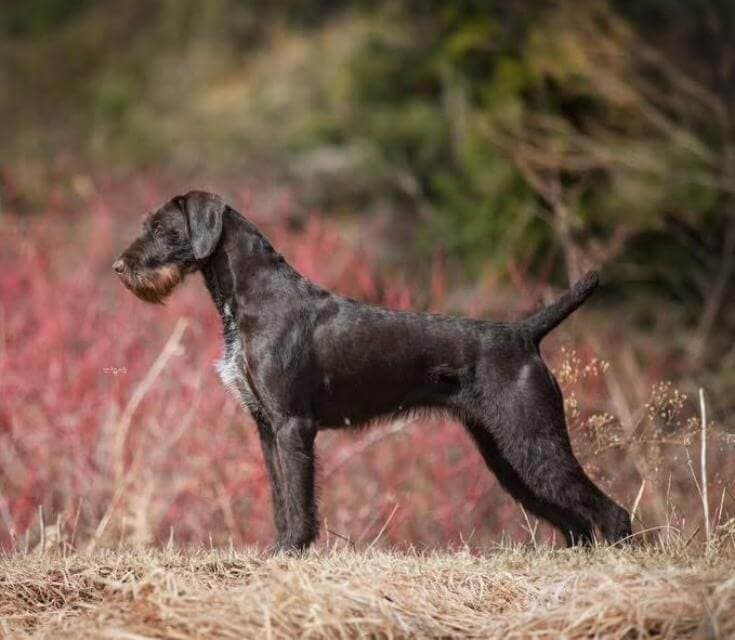
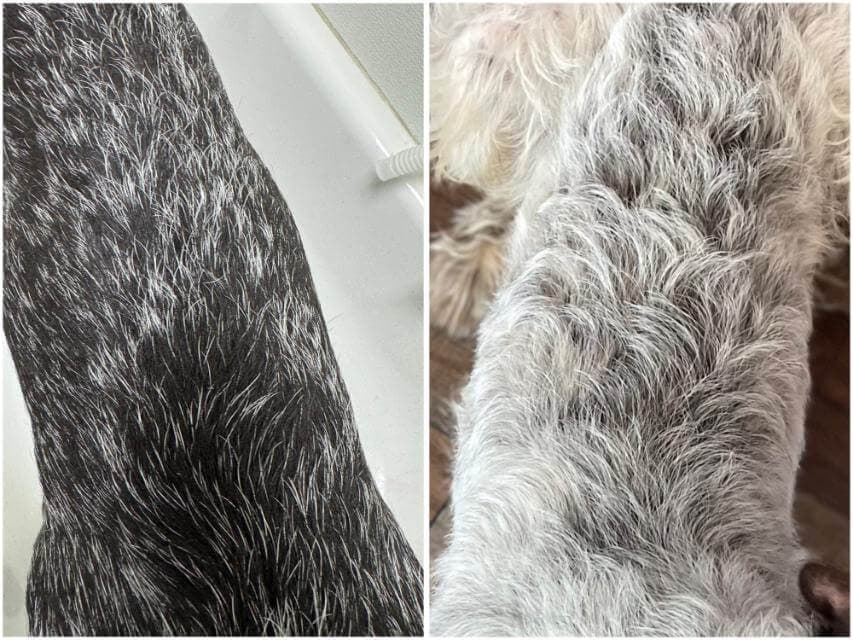
A straight, wiry, flat-lying outer coat covers the undercoat. The outer coat should be one to two inches in length, making it long enough to protect the dog in thick cover but not so long that it conceals the dog’s natural outline. Even if the coat is the correct length, it won’t serve its purpose if it doesn’t have the correct texture. The coat must be coarse, wiry, and harsh to provide reasonable protection. A properly textured coat is somewhat weather-resistant and water-repellent. Briars, thorns, dirt, and debris are less likely to cling to its rough, wiry surface compared to a soft, woolly one. The coat should be longer on the GWP’s muzzle and eyebrows; the distinctive bushy eyebrows shield the dog from brush and sun glare during hunting, while the beard offers extra protection from cuts and abrasions. The German Wirehaired Pointer’s distinctive coat isn’t just decorative; it is vital to their entire identity and purpose.
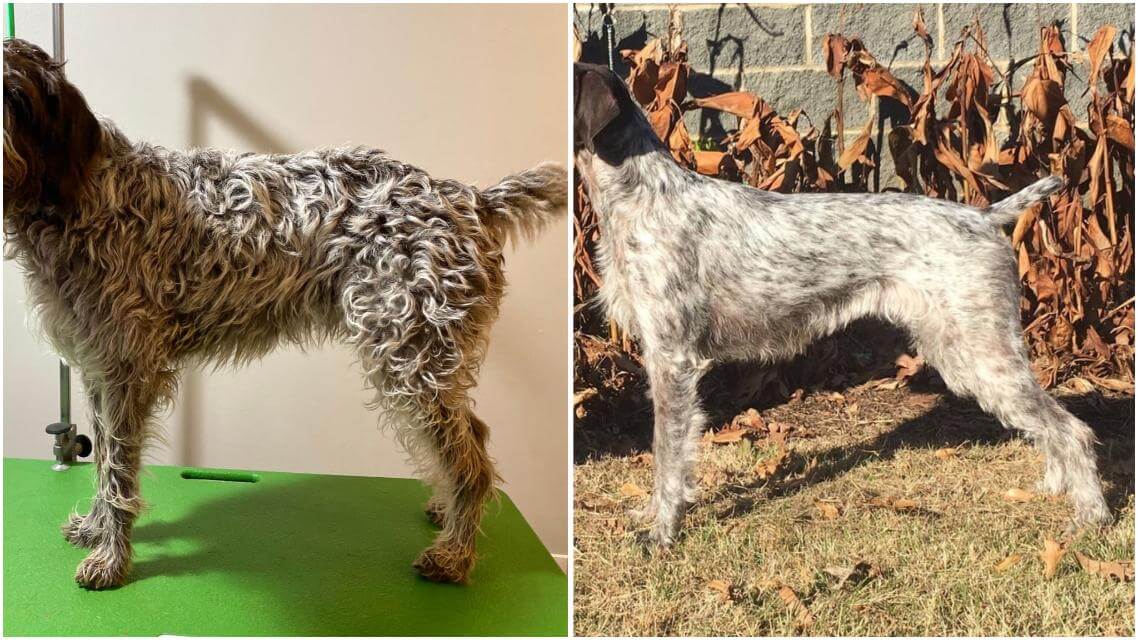
It’s been explained in many ways what makes a coat correct, but what makes an incorrect coat on a dog defined by that very trait? The most common issue seen in the breed today regarding coat is incorrect texture and length. A long, soft, woolly coat is the easiest to make look “pretty” in the show ring, which is why it’s often rewarded. It can hide physical flaws such as an uneven croup or topline, lack of bone, angles, or even chest. Long furnishings can be styled into perfect column legs that would impress any terrier enthusiast, but the perfectly sculpted dog described above would struggle immensely to perform its original purpose.
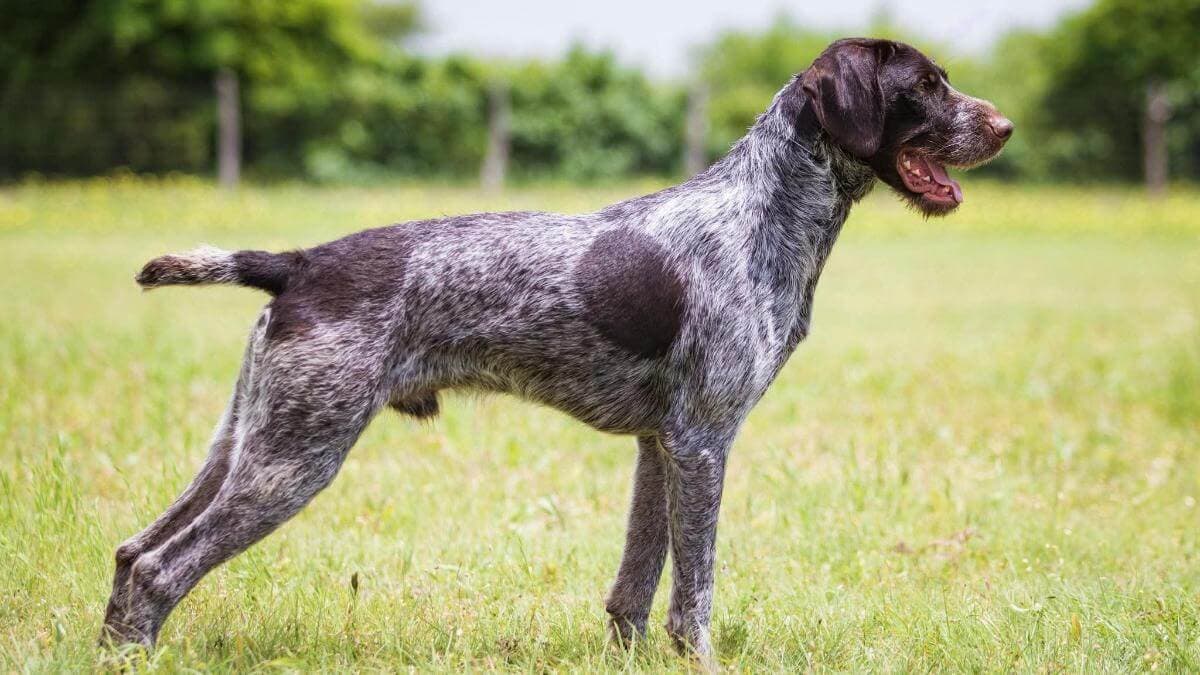
While a harsh, wiry coat acts as a barrier against debris and brush, a soft, woolly coat does the opposite. Burrs and dirt easily stick to the soft coat, and without proper coverage, an improperly coated dog is more susceptible to injuries from thick brush and briars. When the coat lacks the appropriate texture, it also loses its weather and water resistance.
Many of us favor the more “fancy” look in the dog show world, and while it makes for easy sculpting and fluffing, a coat without proper texture and correct length overall translates to a dog lacking breed type. Faulty coats can sometimes be “fixed” using various tools to achieve the correct length and texture. Drying coats can help flatten and straighten the hair, while stripping knives can reduce length, and over time, they can also add a more wiry texture to the outer coat.
Chalks and cholesterol [a conditioning cream—Ed.] can improve the texture of soft hair if stripping doesn’t achieve the desired result. Judges can only judge what they see at that moment, so who can honestly know what was done before achieving this result? Contrary to popular belief, the Breed Standard does penalize excessive grooming that creates an artificially altered appearance. A correct coat shouldn’t require intensive grooming to look right, but even with over-grooming, coats that are faulty are still noticeable. Soft furnishings, a terrier-like “wave” on the topcoat, or leg furnishings that blow around in the breeze should raise red flags when evaluating the coat.
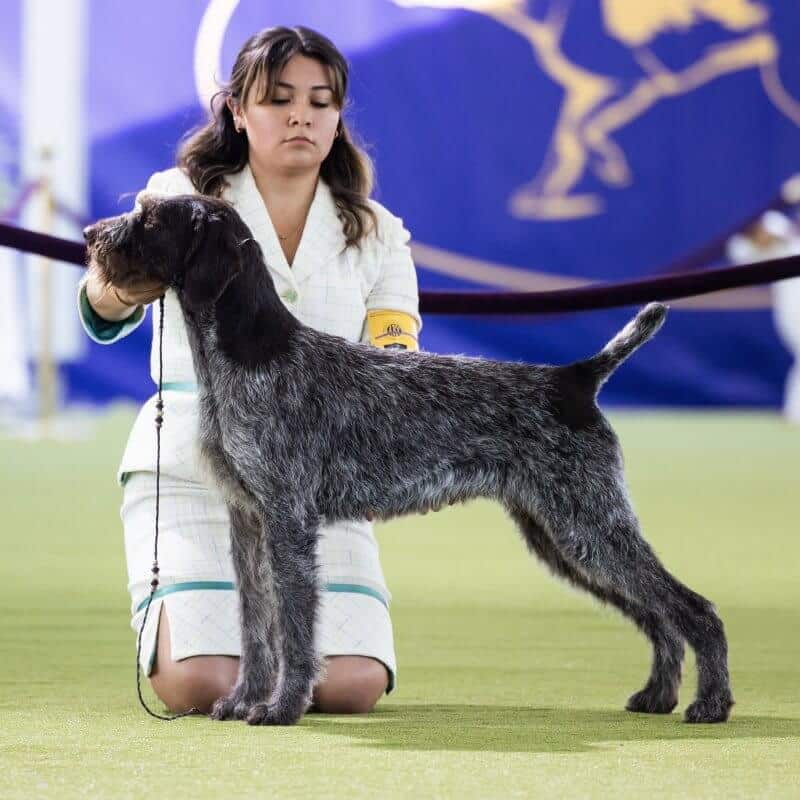
For judges who only see a dog after it has been groomed to the handler’s liking, natural coats that meet the Breed Standard may be few and far between. When judging a GWP, a correct coat is essential for the dog to be of the correct type, and this should be a top priority, second only to function. Today’s judges might struggle to recognize a correct coat, having only seen the fancy artificial look for so many years. This problem originates from the tack box, but ultimately, it’s a concern that needs to be addressed in the whelping box.
Many breeders have started to cater to the public eye, aiming to create the pretty, sculpted appearance that is now so often rewarded. When we, as breeders, choose to dilute our breed’s quality to produce a flashier dog, we do a disservice to the breed. There is no way for judges to consistently see and appreciate a correctly coated GWP if we keep presenting the opposite. To correct this artificial look, we as breeders must consistently produce and showcase correct dogs and educate others along the way.
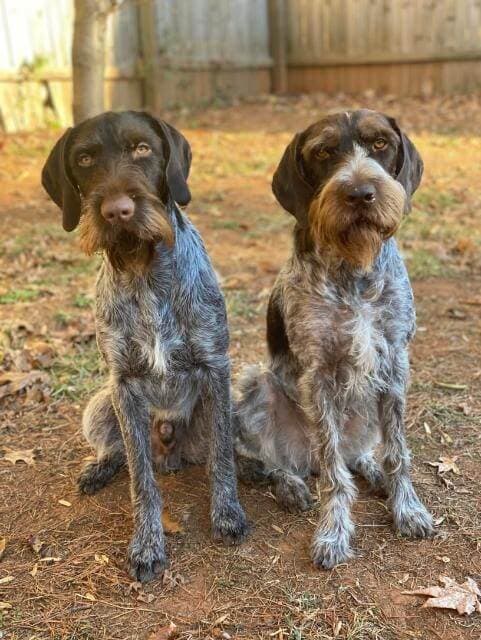
The distinctive look of the German Wirehaired Pointer holds purpose in each hair. While they may not be the ideal image of a flashy, fancy show dog, there is something truly beautiful about a typey, correct GWP that we must learn to appreciate.

Canine Health