


Home » GLP-1 Drugs: The New, Silent Threat in Dog Households
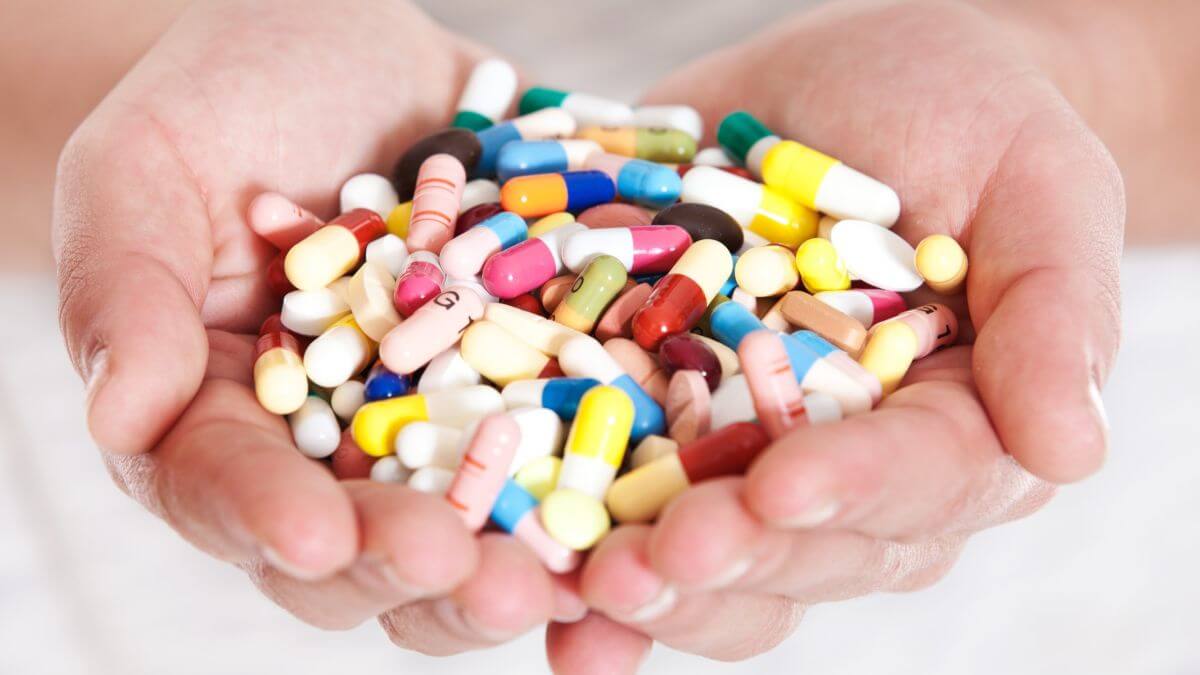
As GLP-1 medications such as Ozempic, Wegovy, and Mounjaro become increasingly common in households, including those with dogs, they are introducing a largely overlooked safety risk. With these powerful drugs being prescribed at record rates, veterinarians and pet owners are now facing a new and unfamiliar concern: accidental exposure in dogs.
“We’re definitely having more conversations about GLP-1 medications now that they’re in so many homes,” says Dr. Lori Ross, an emergency veterinarian and Medical Director at Emergency Veterinary Care Centers. “The biggest concern is accidental exposure; dogs, especially, will chew through almost anything, including medication pens or containers. Even a small amount can cause gastrointestinal upset and other complications depending on the pet and the dose.”
For breeders, exhibitors, and companion homes alike, a GLP-1 pen on the nightstand is not just clutter; it’s a potential emergency.
GLP-1 drugs were designed for people with Type 2 diabetes and, more recently, for weight loss. They work by mimicking a natural hormone that influences blood sugar, appetite, and how quickly the stomach empties. In humans, that can translate into better glycemic control and, often, dramatic weight reduction.
But what supports a human’s health can play out very differently in a dog’s body. Canine metabolism is not simply “smaller-scale human physiology.” Doses are calibrated for people, not for an eight-pound Toy Manchester Terrier or a powerful working dog with underlying conditions. There is no approved veterinary GLP-1 product on the market for dogs, and these human formulations have not been tested for safety in our breeds.
“A lot of people don’t realize that medications that are safe for humans can be very dangerous for pets,” Dr. Ross explains. “With GLP-1 drugs, we worry about symptoms like vomiting, diarrhea, lethargy, decreased appetite, and, in some cases, low blood sugar. If a pet gets into one of these medications, it’s important to call a veterinarian right away rather than waiting for symptoms to develop.”
In short, this is not an “Oh, it was just a tiny bit; wait and see” situation. For dogs, even curiosity can be too much.
In a perfect world, injectable medications would live in locked boxes, handled with the same formality as registration papers. In reality, they’re often part of the everyday landscape of busy homes and travel schedules. Emergency veterinarians are seeing a handful of very familiar scenarios:
“One thing we always remind pet owners is to keep injectable medications stored securely and out of reach,” notes Dr. Ross. “We’ve seen dogs chew on pens, packaging, and even needles. Sometimes the injury from the device itself can be just as concerning as the medication exposure.”
That last point is critical. Chewed pens can mean lacerations in the mouth, swallowed plastic, internal injury from needles, and a potent drug delivered all at once. It’s a combination no conscientious dog person wants to face at 11 p.m. in the emergency lobby.
Because GLP-1 drugs act on the gastrointestinal tract and blood sugar, the signs of exposure can resemble many other emergencies we already worry about in dogs. After contact with one of these medications, owners may see:
These signs could just as easily be attributed to pancreatitis, dietary indiscretion, or a foreign body, which is exactly why disclosure is so important. If there is even a chance that a GLP-1 product was chewed, swallowed, or mis-injected, that information can change how your veterinarian approaches diagnostics and treatment.
As conversations about overweight dogs grows, both in the show ring and in the pet community, some owners may be tempted to wonder if their own GLP-1 medication could help a heavy dog trim down. The short answer: absolutely not.
“There’s growing interest in weight management treatments across both human and veterinary medicine, but pet owners should never try giving their own GLP-1 medications to a dog or cat,” says Dr. Ross. “These drugs haven’t been approved for pets, and dosing is not straightforward.”
Responsible weight management in dogs involves thoughtful feeding, appropriate exercise for age and structure, and, in some cases, veterinary-supervised medical strategies that have been studied in animals. There is no place for off-label experimentation with a human GLP-1 in the kitchen at home, and certainly not in an ethical breeding or show program.
If your dog has chewed a pen, gotten into pills, or you realize a wrong injection may have occurred, hesitation is your enemy. Do not wait to see whether your dog becomes ill.
Take these steps:
Early, transparent communication gives your veterinary team the best chance to stabilize your dog quickly and prevent a minor exposure from becoming a disaster.
Many SHOWSIGHT readers live in environments where dogs share every corner of life, so safety has to be practical, not theoretical. A few deliberate changes can dramatically reduce risk:
For those of us who view our dogs not only as companions but as the living embodiment of our breeding choices, health decisions extend beyond feeding and vaccinations. As GLP-1 medications become part of daily life for more dog owners, they deserve a place on our mental checklist of modern hazards, such as the dangers of antifreeze in the driveway or xylitol in the pantry.
A few extra seconds of care each day can ensure that the transformative medications in the refrigerator never become the reason a cherished show dog, or beloved family companion, lands in the emergency room.