Members
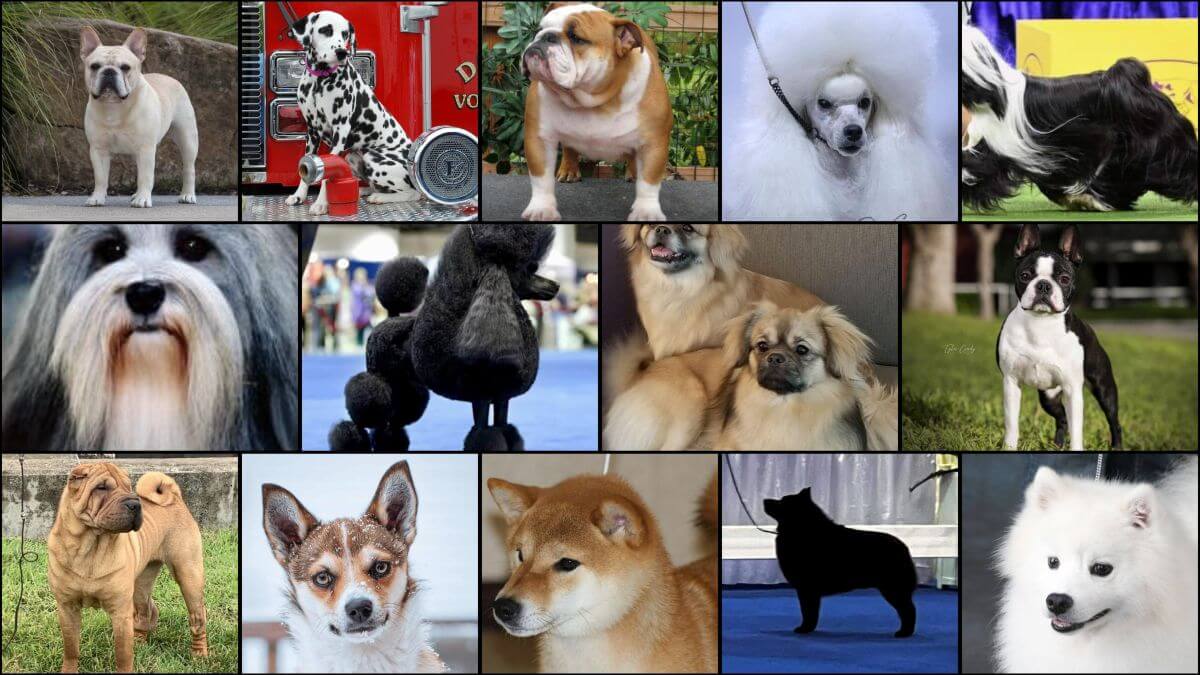
Grace Fritz breaks down Non-Sporting Group breeds, focusing on hallmarks, type, and why each must be judged by its own Standard.
The Weekly Brief
The best of SHOWSIGHT editorials, weekly wins, and breeder commentary — delivered to your inbox every Sunday morning.
Photos provided by author, unless noted otherwise.
I often consider myself fortunate to have begun my judging career with the Non-Sporting Group. The Group is certainly diverse, and it is difficult to identify a common thread when considering the Group as a whole. The first AKC Field Representative I worked with imparted good counsel in approaching this Group. He advised that in judging the Non-Sporting Group, more so than others, one needed to focus on type and breed hallmarks. He further stated that in other Groups where functionality may be a key consideration, the majority of the dogs in those Groups (not all!) may possess similarities in terms of proportions, topline, movement, and other characteristics.
By contrast, the Non-Sporting Group presents a different set of criteria with nearly each member. A judge wanting to honor this Group needs to become familiar with the Breed Standard, details, and defining characteristics of each breed. When judging the Non-Sporting Group, it almost feels as if one is changing gears every time the next dog is up for examination. I bristle when someone suggests that this Group is a “catch all” or placement for companion dogs with no historic function or fit in the other Groups. It is more accurate to view the Non-Sporting Group as one containing breeds with truly unique features that warrant a separate placement.
On my path to judging, first the Non-Sporting Group and then several other Groups, I have benefited from great mentors, seminars, and colleagues to assist my education. Following will be some insights based on the education received, and forty-plus years exhibiting in the Non-Sporting Group. As the Non-Sporting Group is so varied, focus will be on breed hallmarks or defining characteristics. It is so important to consider these, the essence of the breed, when deciding which entry best embodies their Breed Standard.
Non-Sporting Group breeds believed to have descended from the German Spitz and other Nordic dogs include the American Eskimo Dog, Keeshond, Finnish Spitz, Shiba Inu, Chow Chow, Schipperke, and Norwegian Lundehund.
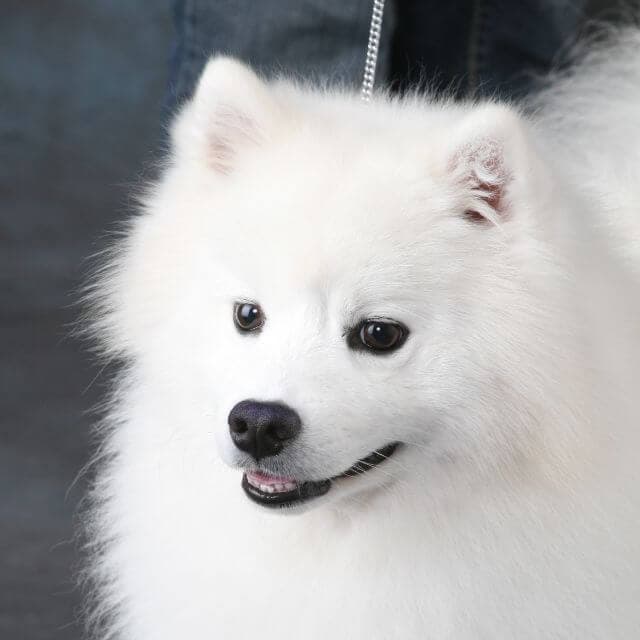
The American Eskimo is a highly intelligent, strong, agile dog judged in three sizes. Its history as a multi-purpose farm dog with a beautiful stand-off double coat makes it a desired, easily trained companion. The head is of Nordic type with a wedge shape and erect, triangular ears. Distinctive black points on the lips, nose, and eye rims contrast with the preferred white coat. This is a compact dog that should demonstrate agile gait with good reach and drive. This natural beauty should be shown in a natural state.
The Keeshond also possesses the Nordic head type, with a compact, robust, well-ribbed body. Breed hallmarks include their striking coloration and fox-like expression accentuated by the unique spectacles. The stand-off double coat and plumed tail features dramatic markings with distinct separation of colors (gray, black, and cream.) The breed gaits briskly, with the legs moving parallel and converging with speed. This beautiful breed makes a great family companion.
The Finnish Spitz has a fox-like appearance and a history as a hunter of small game. The breed shares the clean-cut, wedge head, erect ears, dense coat, and curled tail with other Nordic breeds. The Finnish Spitz has square body proportions, with the length of leg slightly greater than the depth of body. The hallmark of the breed is the glorious red-gold coloration and thick coat, along with its alert and lively expression.
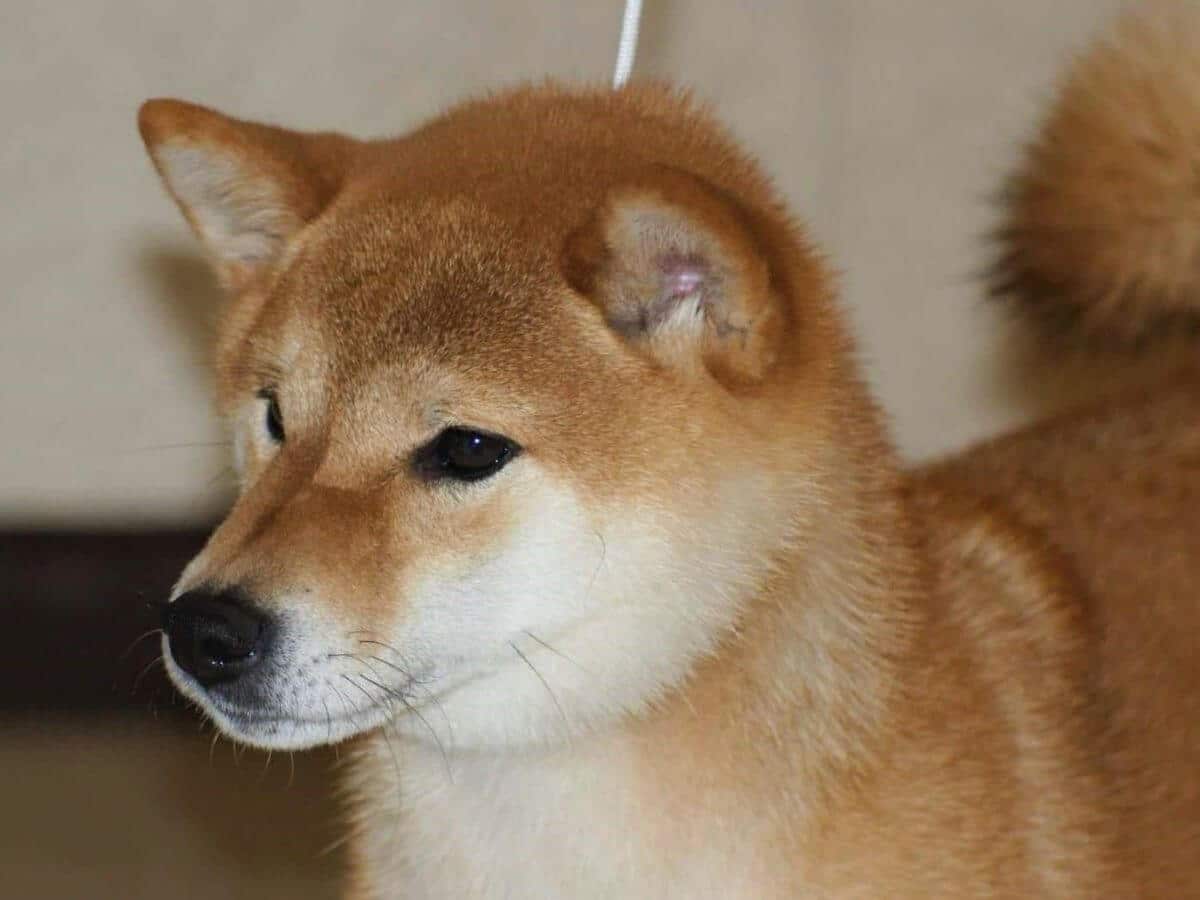
The distinguishing features of the Shiba Inu are head, coloring, and temperament. The head of the Shiba should present a rounded appearance from the front due to the full cheeks and coat. The eyes are dark, somewhat oblique, and triangular in shape. The small, triangular ears are slightly pitched forward. Shiba Inu have various colors, each featuring the specifically placed Urajiro, or required white markings. The colors should fade into white without lines of demarcation. The Shiba moves with a nimble lightness and elasticity. Shiba should stand their ground, with a temperament displaying dignity and power, bravery and calmness, and an uncomplicated, natural beauty.
The Chow Chow is a powerful, squarely built, upstanding dog. Mentors emphasize that a Chow should have four strong legs as columns of support. It has heavy bone and little rear angulation, contributing to a unique stilted gait. This imposing breed has an abundant, dense double-coat in smooth and rough types. The head is proudly carried with a scowling expression. A blue-black tongue suggests common ancestry with the Chinese Shar-Pei, although none is verified. Like the Shar-Pei, this is an aloof and independent breed, reserved with strangers.
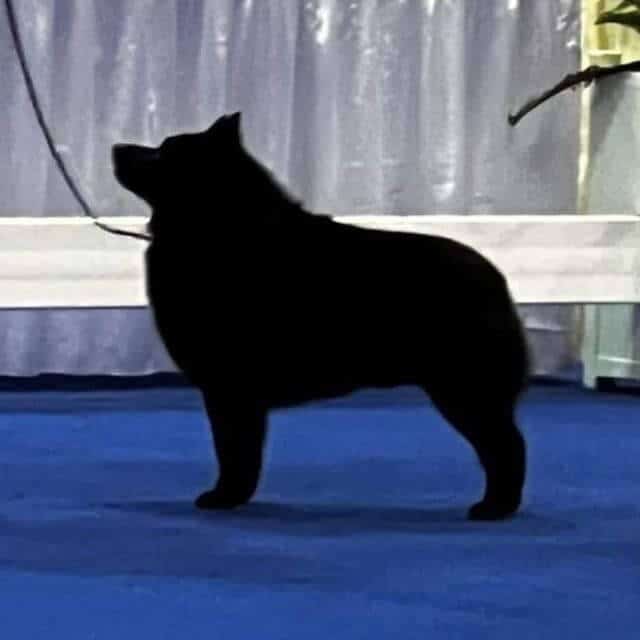
The Schipperke is said to have the heart of a Terrier in the body of a Spitz. It is agile, active, and a skilled hunter of vermin. Thick-set and cobby, this is a black, tailless dog with a fox-like face. There should always be plenty of dog beneath the uniquely patterned black coat. The silhouette of a Schipperke should show a square dog with a level or slightly sloping topline and an obviously demarcated coat pattern. The Schipperke’s graceful trot will double-track at moderate speeds and converge toward the centerline as speed increases.
At first glance, the Norwegian Lundehund appears to be a small, generic, rectangular dog. Further inspection shows several unusual and unique features. The Lundehund developed in a remote area of Arctic Norway where the breed was prized for its ability to climb, wrestle, and retrieve puffin birds from their nests in crevices on the cliffs. The unique characteristics assisting that task include a minimum of six toes on each foot, elongated rear foot pads, an elastic neck which bends backwards, and flexible shoulders. The flexible shoulders provide another breed hallmark, the rotary front movement. And the ear leather can be folded and turned up, backward or at right angles so that the ear openings are clamped shut.
Three Non-Sporting breeds are believed to have descended with similar lineage from the Bichon family of dogs. The Bichon Frise, Coton de Tulear, and Löwchen share a dark expressive eye, a full muzzle slightly shorter than the skull, lively and outgoing personalities along with effortless, ground-covering and free-flowing movement with the tail over the back. Outlines and proportions are different between the breeds.
The Löwchen comes in a variety of colors and must be shown in the unique Lion Trim. The head is a hallmark breed characteristic and features a broad, full backskull, a blunt muzzle, a dark eye conforming to the coat color, and pendant, well-fringed ears. Together, these details provide a charming, inquisitive expression. The teacup handle tail is arched over the back, but may drop at rest. The flowing coat presents an attractive picture on the move.
The Coton de Tulear is characterized by a long, dry, profuse, cotton-like white coat. The dark, round, lively eyes, along with nose and lip pigment, provide contrast to the white coat. This is a small, sturdy, rectangular dog, with the topline slightly arched over the loin. At rest, the tail may drop, revealing an upward hook—another distinguishing characteristic.
The Bichon Frise is a small, attractive, sturdy white dog with contrasting dark eyes and nose. The dark eye is further accented by black skin (halos) exaggerating the size of the eye. The black points against the head trim contributes to an inquisitive expression. The hallmark coat (made up of a coarse, curly outercoat combined with a soft, dense undercoat) is trimmed into a series of rounded contours following the outline of the dog and presenting a striking silhouette. The Breed Standard’s General Appearance section states that this is a breed with no gross or incapacitating exaggerations, with no reason for unsound movement or lack of balance. The Bichon moves effortlessly in a precise and true fashion, with the plumed tail jauntily carried over the back. As the dog travels away, the black foot pads are visible.
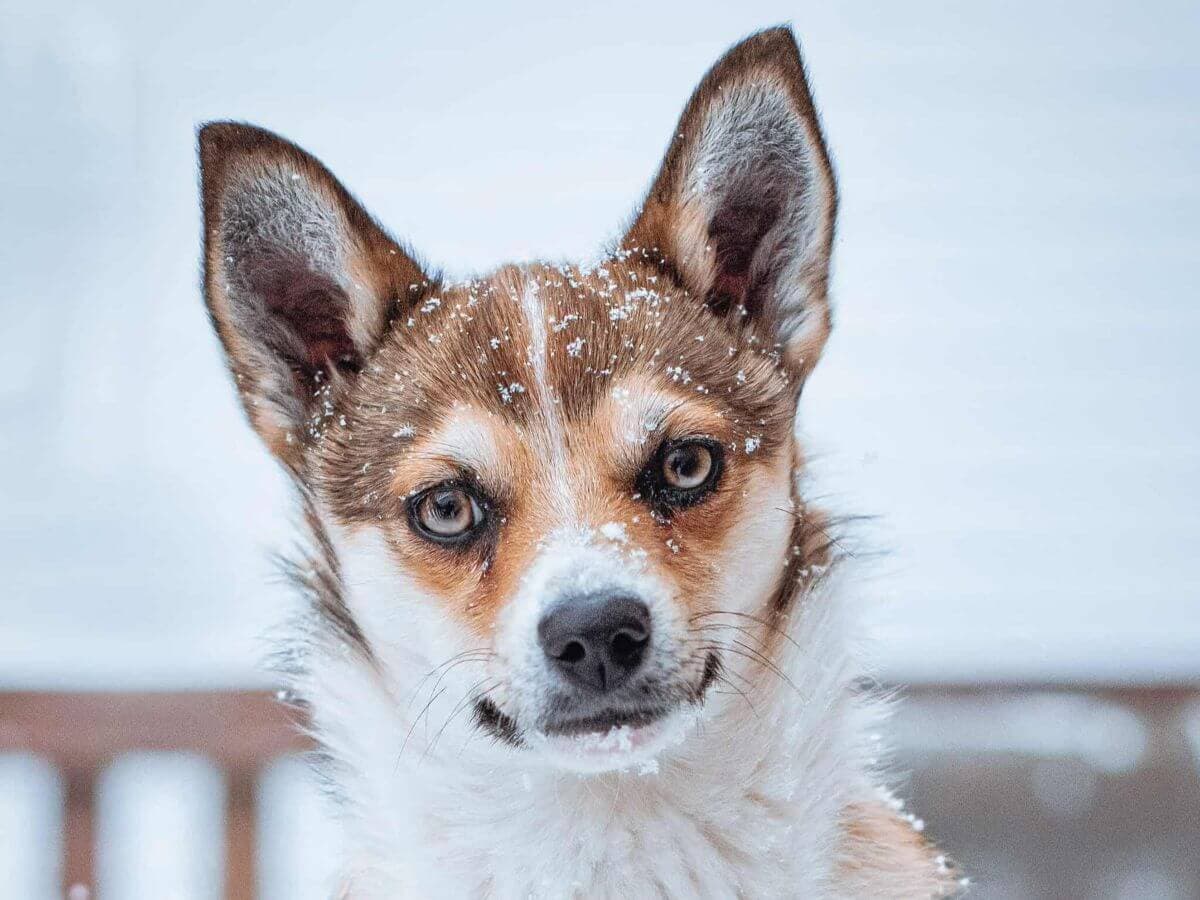
Three Non-Sporting breeds originated in the remote areas of the Himalayan Mountains of Tibet. The Lhasa Apso, Tibetan Terrier, and Tibetan Spaniel were shaped by the challenging environment and unique culture of the Tibetan people. Tibetan breeds have a weatherproof coat, with ears and tails laying close to the body for added warmth. The Lhasa and Tibetan Terriers have headfall that shelters the face from the sun and wind. Due to the terrain and altitude, the mountain dogs have an adaptive foot that provides traction, along with a moderate, efficient build without exaggeration.
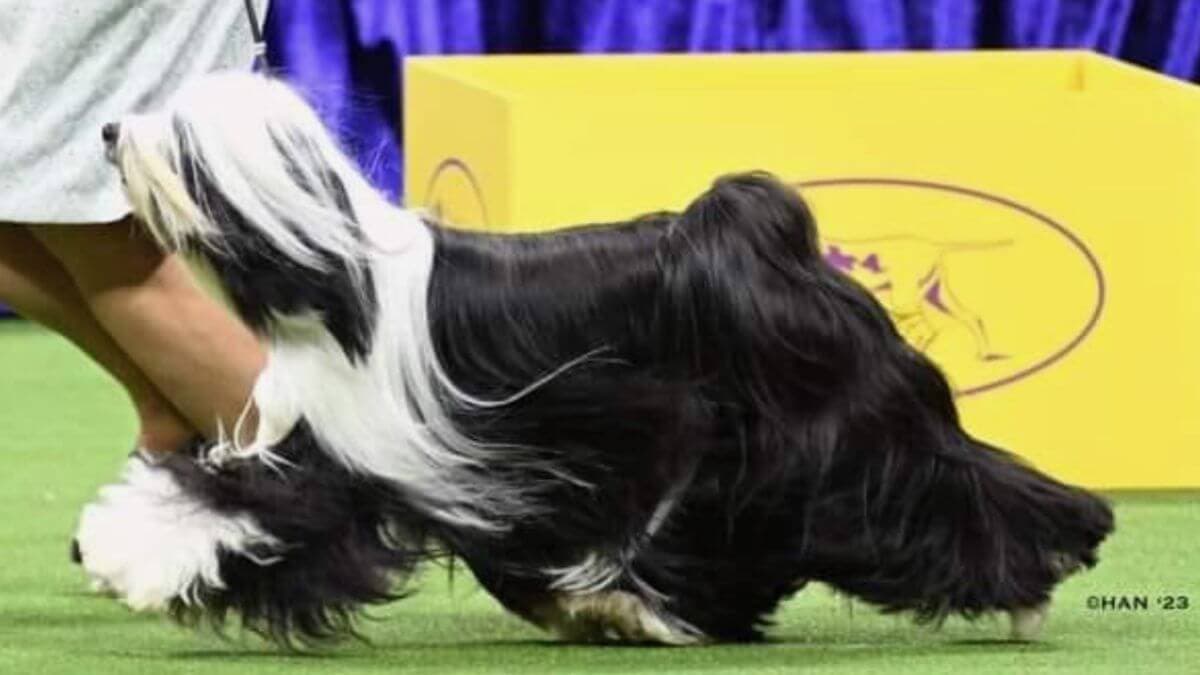
The Lhasa Apso served as an indoor guard dog. This moderate, rectangular dog is well-balanced and should demonstrate the soundness recommended for all breeds. The Lhasa’s distinguishing characteristic is a dense, heavy double coat that is parted in the middle from head to tail. It is said to have the feel of human hair. The headfall and well-feathered foot provide additional protection from the elements. The silhouette shows a well-laid-back shoulder, developed prosternum, level topline, moderate neck, and high-set tail. The expression is alert and thoughtful, often compared to that of an “old soul.”
The Tibetan Terrier’s defining characteristics are a result of the climate, altitude, and rough terrain found in Tibet. A compact body with good rib spring, a protective double coat and headfall, and the large, flat, flexible foot were needed to survive the harsh conditions. This is a medium-sized, square-bodied dog with strong, efficient movement. The coat may be wavy or straight, with any color allowed, and presented free of sculpting or scissoring. In silhouette, the defining characteristics are on display: protective double coat; head in balance with the high-set, curled tail; a compact body with level topline; a well-angulated rear; and large, flat feet.
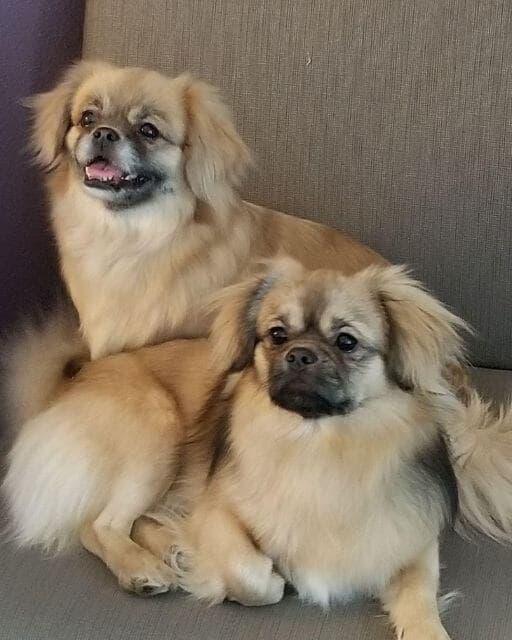
Tibetan Spaniels were prized companions to the Buddhist monks in Tibet. This is an intelligent, affectionate breed that is also an alert watchdog. The small breed is slightly longer than tall with a level topline and high-set tail. The legs are long enough to show a rectangle of light under the body. The head is somewhat small for the body and is carried proudly, contributing to an elegant look. Dark brown, oval eyes are bright and expressive. The ears have a slight lift and the muzzle is blunt with some cushion. The unique expression of the Tibbie is mischievous and charming. The gait is described as straight, free, and positive, befitting the self-important attitude.
The Bulldog, French Bulldog, and Boston Terrier share common ancestry. Their unique appearance and value as an entertaining family member make them popular members of the Non-Sporting Group.
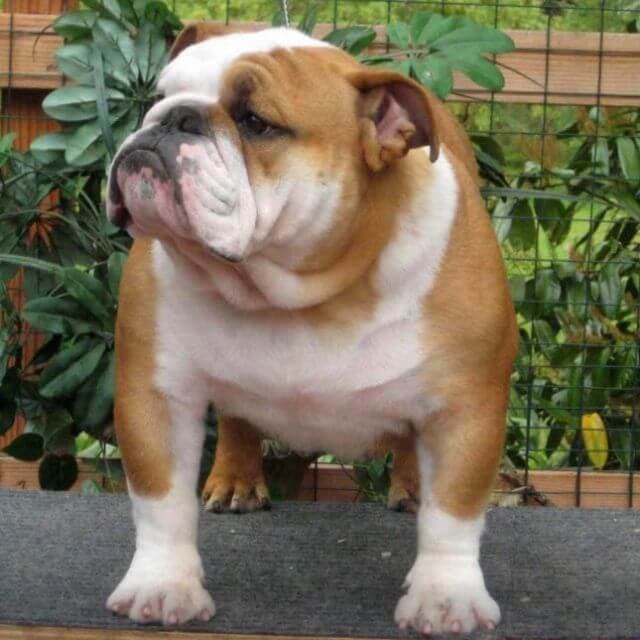
Bulldogs arrived in America with their English owners who immigrated to the new land. The Bulldog Club of America was one of the earliest breed clubs established in this country. From their origin as a bull-baiting dog, breeders worked diligently to eliminate aggressive tendencies and develop a treasured companion. The Bulldog has a heavy-set, low-swung body with several key features to consider when judging. From the front, the head is broad and flat on top with a square appearance. The nose is broad and deep-set between the eyes. The shoulders should be visible and turned, with straight forelegs and a deep chest. The rear is somewhat narrower (pear-shaped from above), making the rear legs visible from the front. From the side, the lower jaw should be seen well-turned up, with the face laid-back. The compact body has a characteristic “wheel-back,” with the arch over the loin. This is only a partial listing of the distinct features called for in the Bulldog Standard, providing breeders with a daunting task. Perhaps due to the extremes in conformation, balance and symmetry are much valued in this breed.
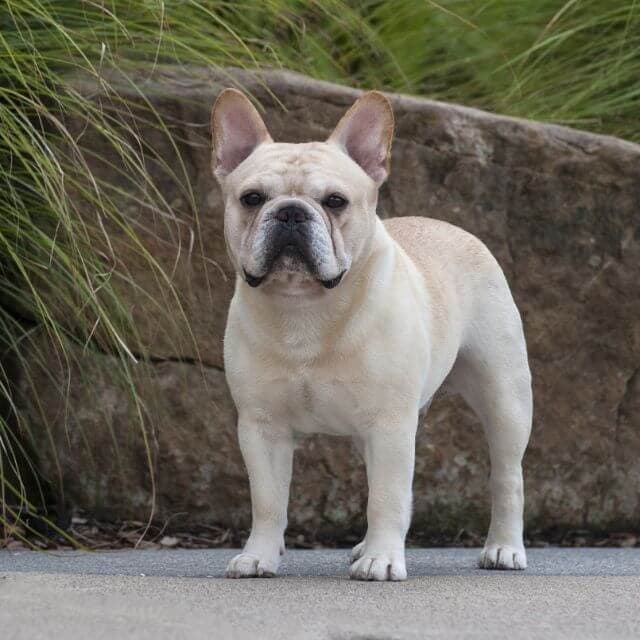
The French Bulldog is a small, compact dog developed from the English Bulldog. People prized small Bulldogs for their novelty and companionship. Frenchies are muscular, with heavy bone in medium or small structure, having an alert, curious expression. The hallmarks of the breed are the square head with bat ears and a roach back. The back has a slight fall behind the shoulders and gradually rises to the loin, which is higher than the shoulder, then rounding at the croup. From above, the width is greater at the shoulders than at the rear. Due to this characteristic, the French Bulldog “four tracks,” where the front legs track wider than the rear legs. The bat ear is described as broad at the base and elongated with a rounded top, carried erect and high on the head. Like the Bulldog, the French Bulldog values width in the upswept underjaw, contributing to the square look of the face.
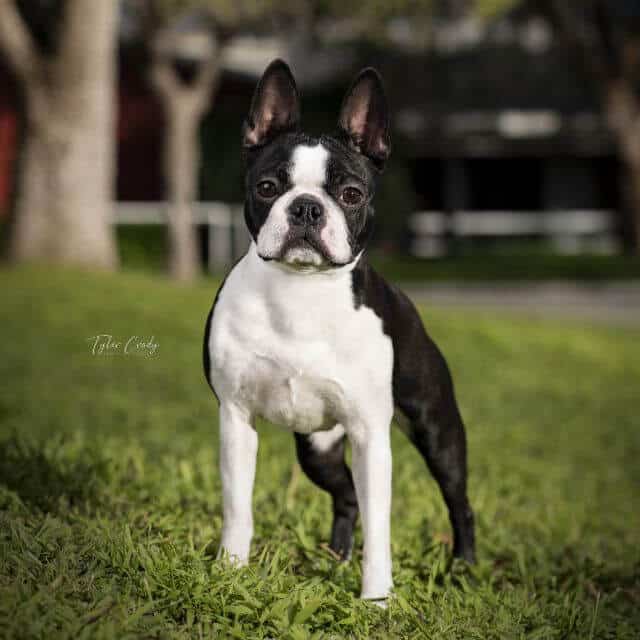
The Boston Terrier is proudly listed as a breed developed in America. Thought to be a cross between the Bulldog and a Terrier, the striking Boston quickly became a popular breed. Defining characteristics of the Boston include its balance, expression, and color with white markings. Boston Terriers have a square, well-knit body with strong limbs, conveying strength and determination. The expression is that of a lively, intelligent, short-headed dog with large, dark eyes and small, erect ears. The short, smooth coat may be black, brindle, or seal with even white markings. The whole picture should convey a dog with an easy carriage and a style of high order.
Although the Non-Sporting Group is the smallest of the seven AKC recognized Groups, it has more than its share of iconic, easily recognizable breeds. The final four breeds definitely hit that mark.
The Xoloitzcuintli, or Xolo, is an ancient breed originating in Mexico. The breed is thought to be thousands of years old and developed naturally into a symmetrical, moderate dog in coated and hairless varieties. Xolos served as a guard dog and family companion. The Xolo is known for its rectangular, graceful outline and a thoughtful, noble expression. The coated variety has a short, dense coat, and the hairless variety has thick, functionally protective skin with hair on the top of the wedge-shaped head, feet, and end of tail. On the move, the Xolo maintains the graceful outline with good reach and drive. The topline is level, with a slight arch over the loin.
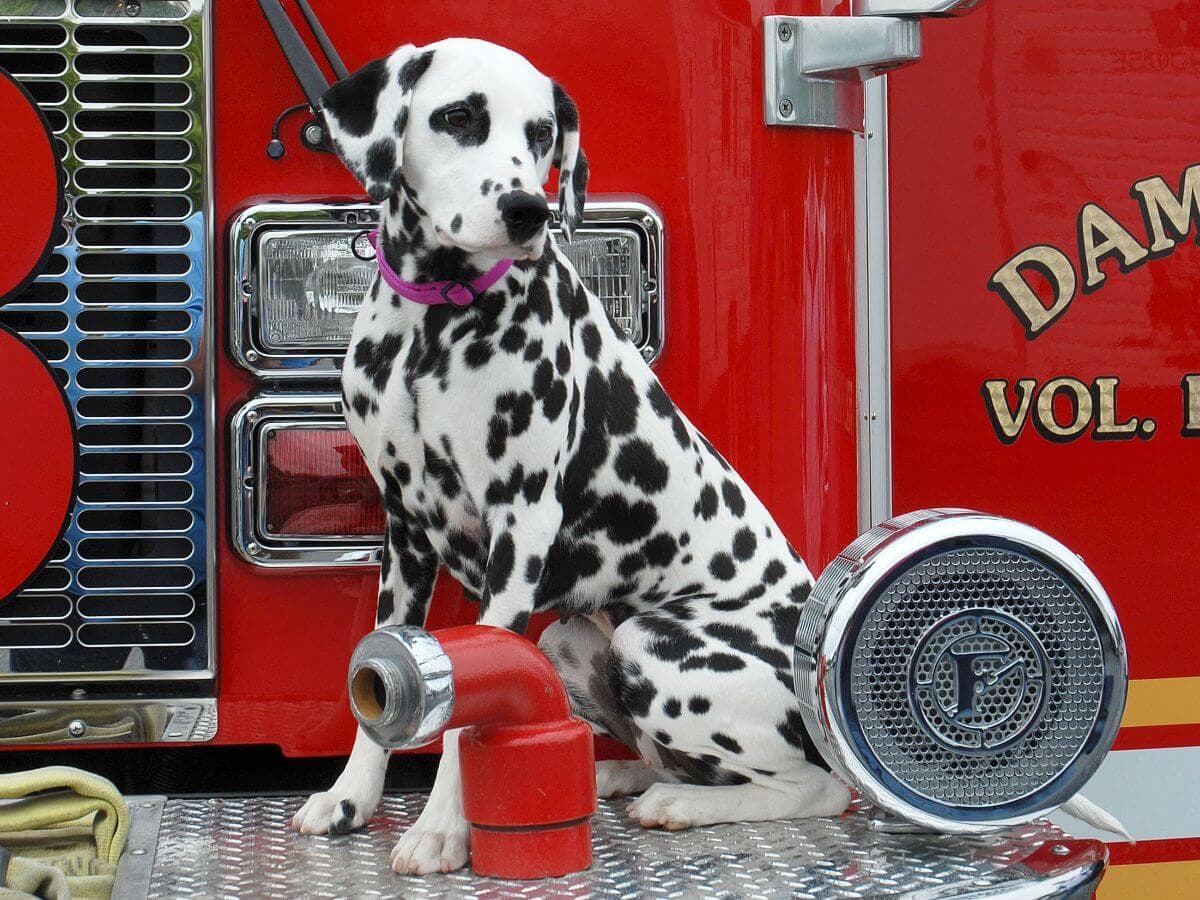
The Dalmatian was originally a sporting dog and then developed into a coaching dog, traveling great distances accompanying carriages, fire trucks, or humans on horseback. Everything about the Dalmatian should convey style and endurance. The essence of the breed is sound movement, balanced body shape, and distinctive spotting. While on the move, the Dalmatian should display good reach and drive, a level topline, and the head, topline, and tail should create a smooth, continuous line. The height at withers is approximately equal to the length of the body. The Dalmatian has a symmetrical build, good substance, and strong bone without being coarse. Color and markings are very important, with round, distinct, well-distributed spots desired. Early on, I received advice to “judge the dog, and then consider the spots.”
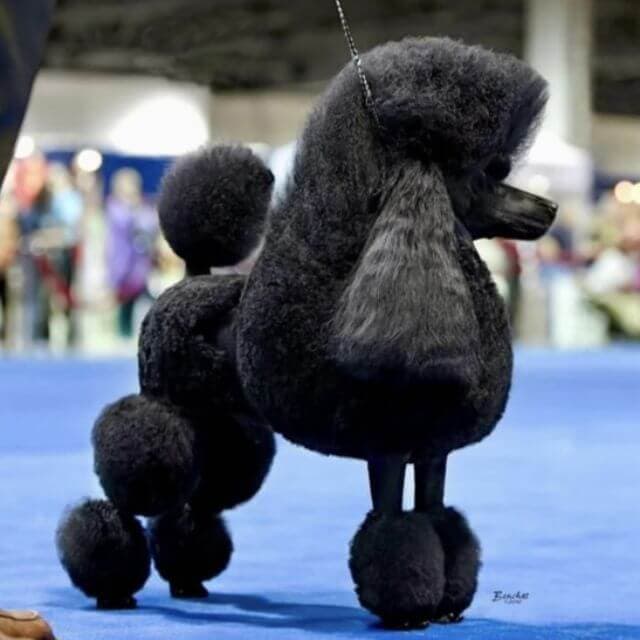
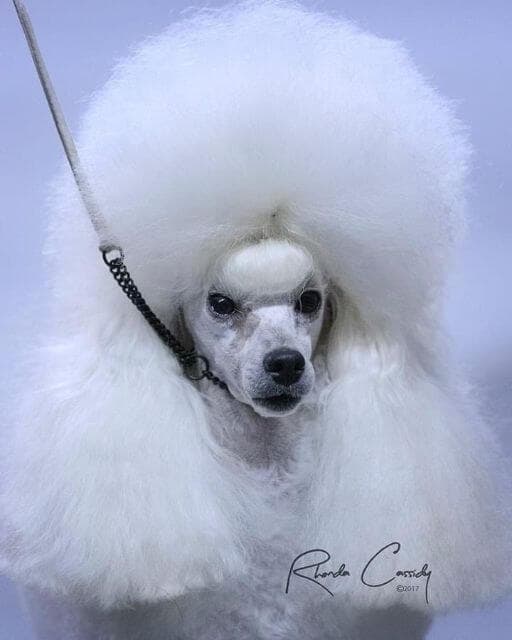
The Poodle comes in Toy, Miniature, and Standard varieties. The Miniature (over 10 inches and up to 15 inches) and the Standard (over 15 inches) are in the Non-Sporting Group. The Poodle is known for its elegance and presentation in specific, artful trims. Described as an active, intelligent, squarely built dog with sound movement and proud carriage, the Poodle has an air of distinction with dignity peculiar to himself. The Poodle has a light, springy trot with good rear drive. The head and tail should be carried up. A beautiful Poodle face has a dark, oval eye, slight stop, chiseling under the eye, ears set at or slightly below eye level, and good underjaw. Although the trims can be confusing, it is helpful to remember that this is a moderately built, square breed with the elbow set directly under the withers.
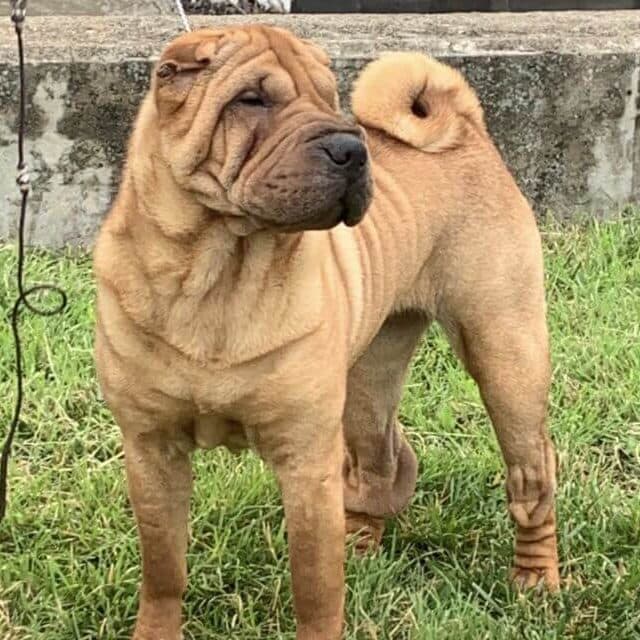
The Chinese Shar-Pei is nothing if not a devoted companion. Their extreme loyalty to loved ones necessitates planned socialization during puppyhood. The Standard’s General Appearance section lists most of the breed’s defining characteristics: square in profile, well-proportioned head that is slightly large for the body, a short, harsh coat, rising topline, high-set tail, loose skin, and wrinkles. The Shar-Pei also has a blue-black tongue. The words “strong,” “muscular,” and “sturdy” are listed several times in the Standard, signifying a sturdy and athletic dog that once served as a protector and all-purpose farm dog. Proper movement is essential.
It is difficult to put words to paper and focus one’s thoughts on a topic. However, I believe it is a useful exercise for judges to revisit the breeds and Standards they learned and interviewed for decades earlier.
This review of the twenty Non-Sporting Breed Standards and their hallmarks and distinguishing characteristics was helpful. It deepened my appreciation of these remarkable breeds and I remain an unabashed fan.

American Kennel Club (AKC)
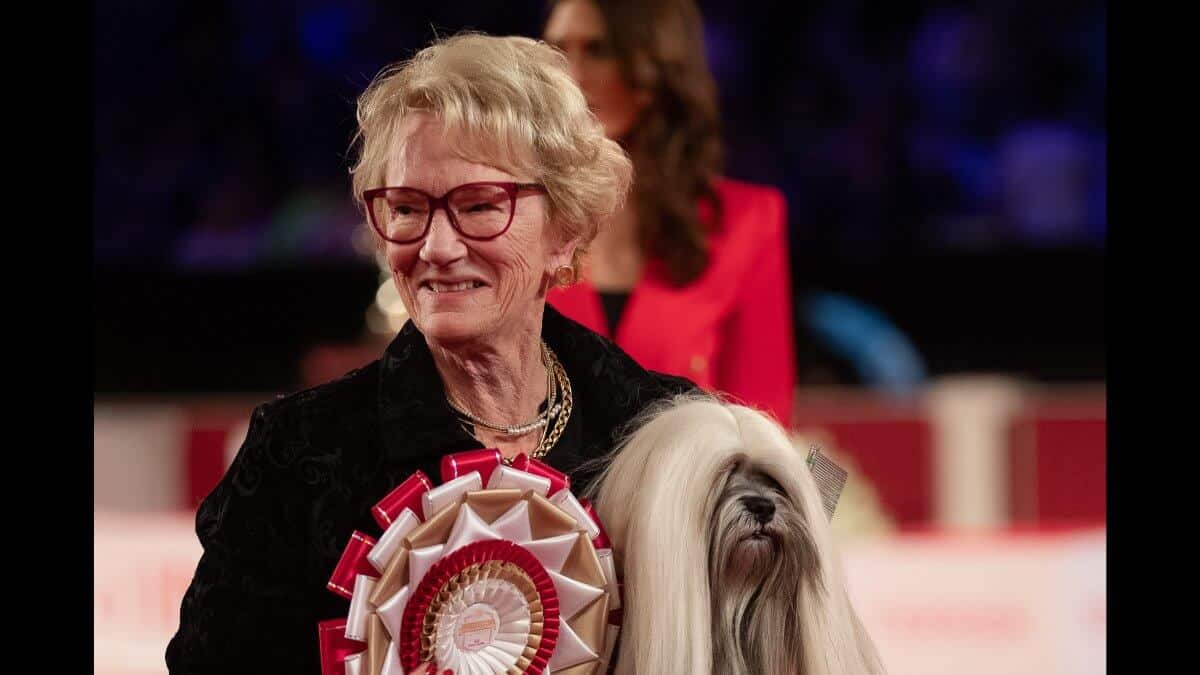
2025 AKC Breeder of the Year Susan Giles discusses selection, preservation, and a lifelong commitment to the Lhasa Apso breed.