Members
Ed Fojtik shares a lifelong passion for Working Dogs, exploring their history, purpose, structure, and enduring legacy.

Ed Fojtik
The Weekly Brief
The best of SHOWSIGHT editorials, weekly wins, and breeder commentary — delivered to your inbox every Sunday morning.
I am deeply honored that SHOWSIGHT has invited me to contribute to its special edition, Celebrating Working Dogs. Although I do not consider myself a professional writer, I can say without hesitation that I am passionate about Working dogs—and have been for my entire life.
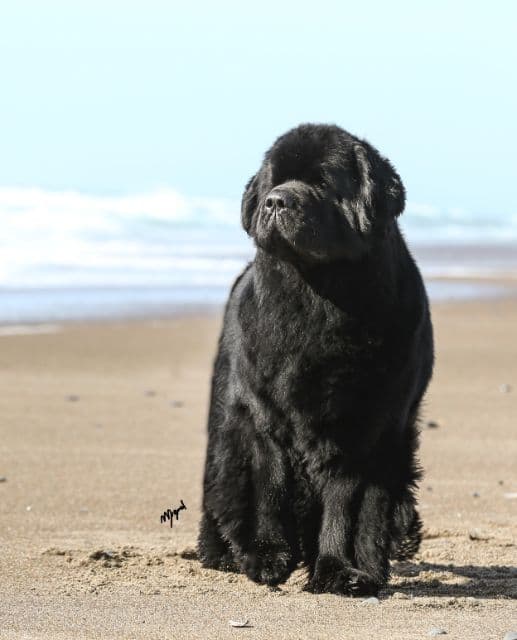
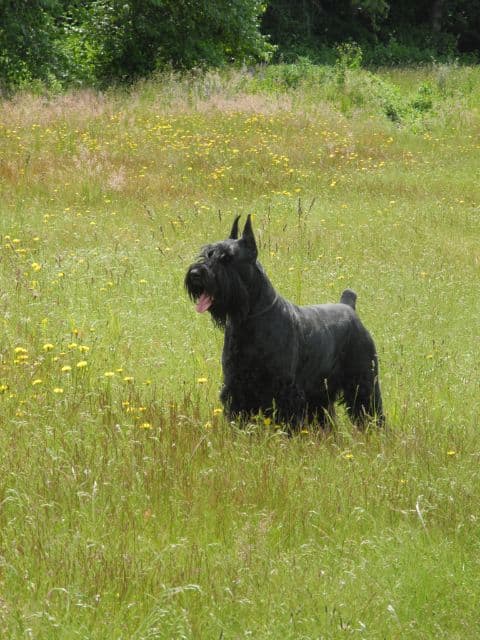
My introduction to the Working Group began in the 1960s, shortly after the Giant Schnauzer Club of America was formed, when my parents acquired our family’s first Giant. Our foundation bitch, Shar Ebony, became something of a legend in the breed at the time. She produced two Best in Show-winning offspring—one of them a National Specialty winner—and a total of 17 AKC Champions. By today’s standards that number may not seem remarkable, but in the 1970s it was a significant accomplishment. More importantly, my current bloodlines still trace directly back to that foundation established more than five decades ago.
When I look back at photographs of the first dogs I showed on my own, particularly the grooming photos, I am genuinely amazed that I ever finished a dog, let alone won or placed in the Working Group. But I was hungry to improve; to become better at breeding, grooming, and winning.
In those early years, I sought out knowledge wherever I could find it. I literally followed Bill McFadden around for an entire weekend just to absorb a few pointers. I could watch Gabriel Rangel groom all day without tiring of it. Through my career as a home builder, I became friends with Suzie Kipp and had the privilege of setting up and traveling with her for a number of years. If you want to become a better groomer, of any breed, travel with a Terrier person. If you don’t improve, you simply aren’t trying.
Maryann Bisceglia was arguably the finest Giant Schnauzer groomer ever. She had a profound influence on me, not only in grooming but also, without question, as a breeder. In my view, she was the undisputed greatest Giant Schnauzer breeder of all time. Her pedigrees will continue to influence the breed for decades to come.
Today, my lifelong relationship with Working Dogs has expanded into judging, and learning the intricate details of each breed has only deepened my respect and passion for these remarkable animals.
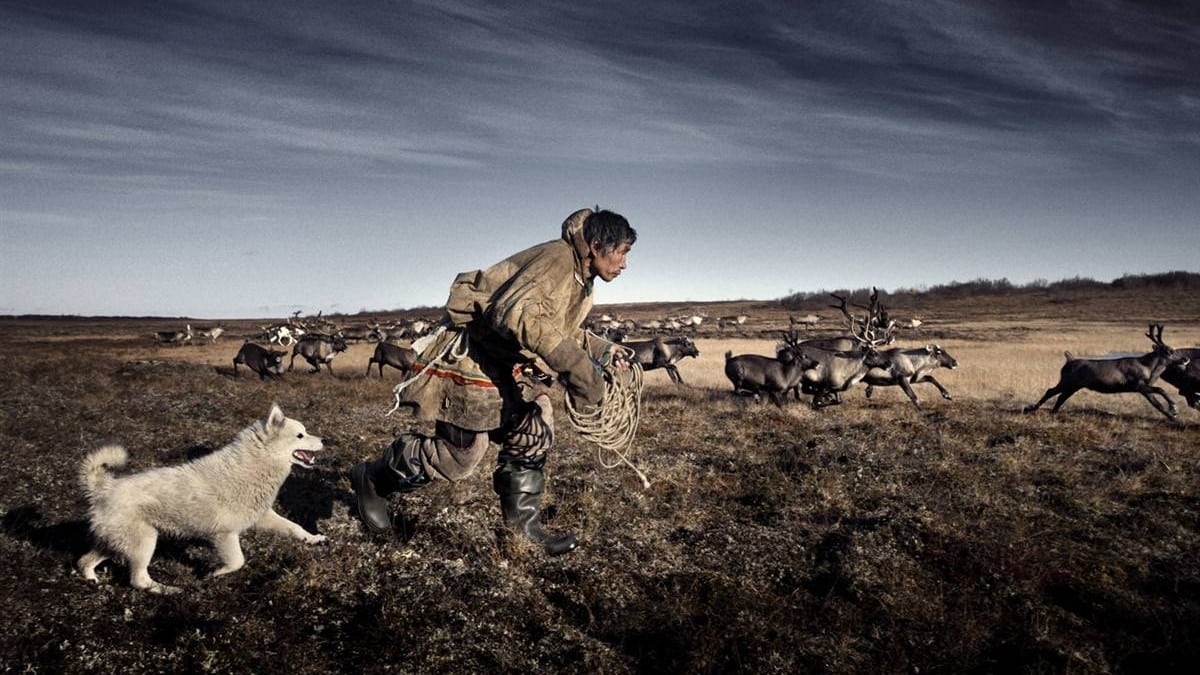
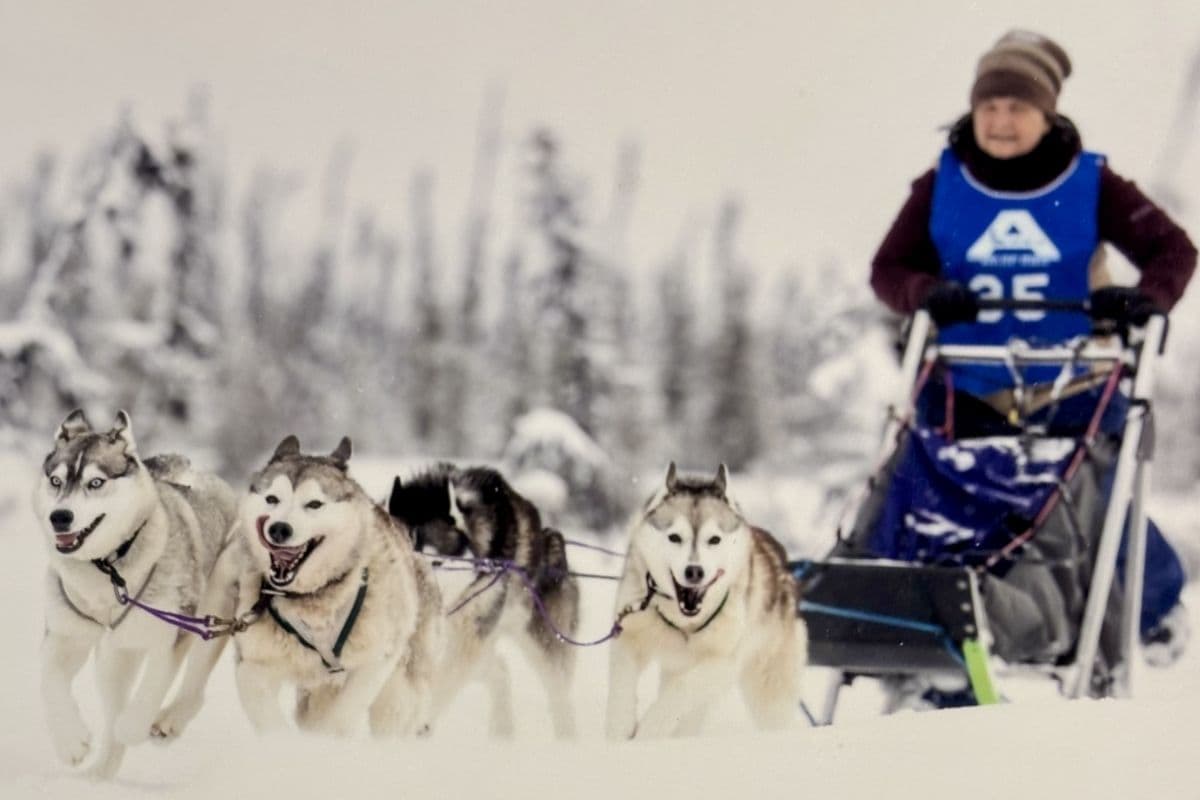
Where does one even begin? Working dogs have done nearly everything for us. They have performed daring water rescues at sea; completed legendary feats such as Togo’s (not Balto’s) serum run, an achievement that still defies belief; pulled carts weighing thousands of pounds; rescued people stranded on mountains; driven cattle to market; guarded breweries; protected livestock; and, perhaps most importantly, safeguarded the lives of our families.
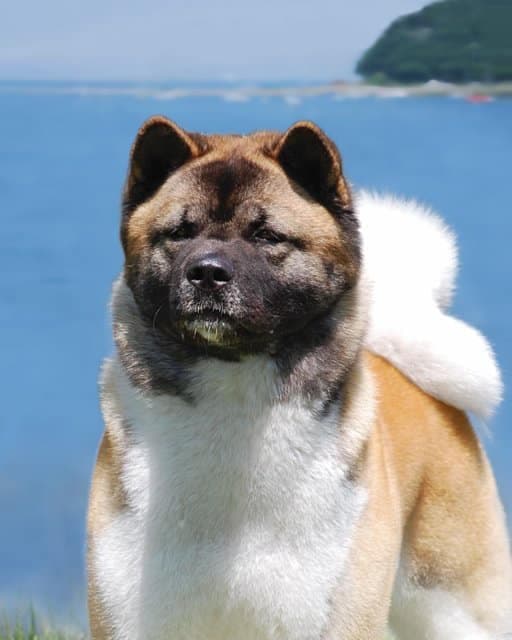
Having lived alongside Working dogs my entire life, I have countless personal stories of their devotion and loyalty. Writing about Working dogs without mentioning Hachiko (Akita) would be unthinkable. Each morning, Hachiko accompanied his owner to the train station, returning on his own at precisely the right time to escort him home. One tragic day, Hachiko’s owner passed away at work. Hachiko waited at the station until he was taken home, and for the next ten years, he returned to the station every morning and afternoon, holding on to the faint hope that his beloved owner would step off the train. This level of devotion defies explanation.
Working dogs come in every size, shape, and color, suited to nearly every family and function. They range from regal and imposing to downright intimidating in appearance. They have served in wartime, starred in films, and even relaxed in the Oval Office.
The Working Group has much to be proud of. Working dogs have won Best in Show at Westminster 16 times and boast the second-highest number of all-breed Best in Show wins of any Group, surpassed only by the German Shepherd Dog, itself a former Working dog. It is also worth remembering that the Working and Herding Groups were not divided until 1983. Imagine judging nearly 60 breeds in a single Group in those earlier years!
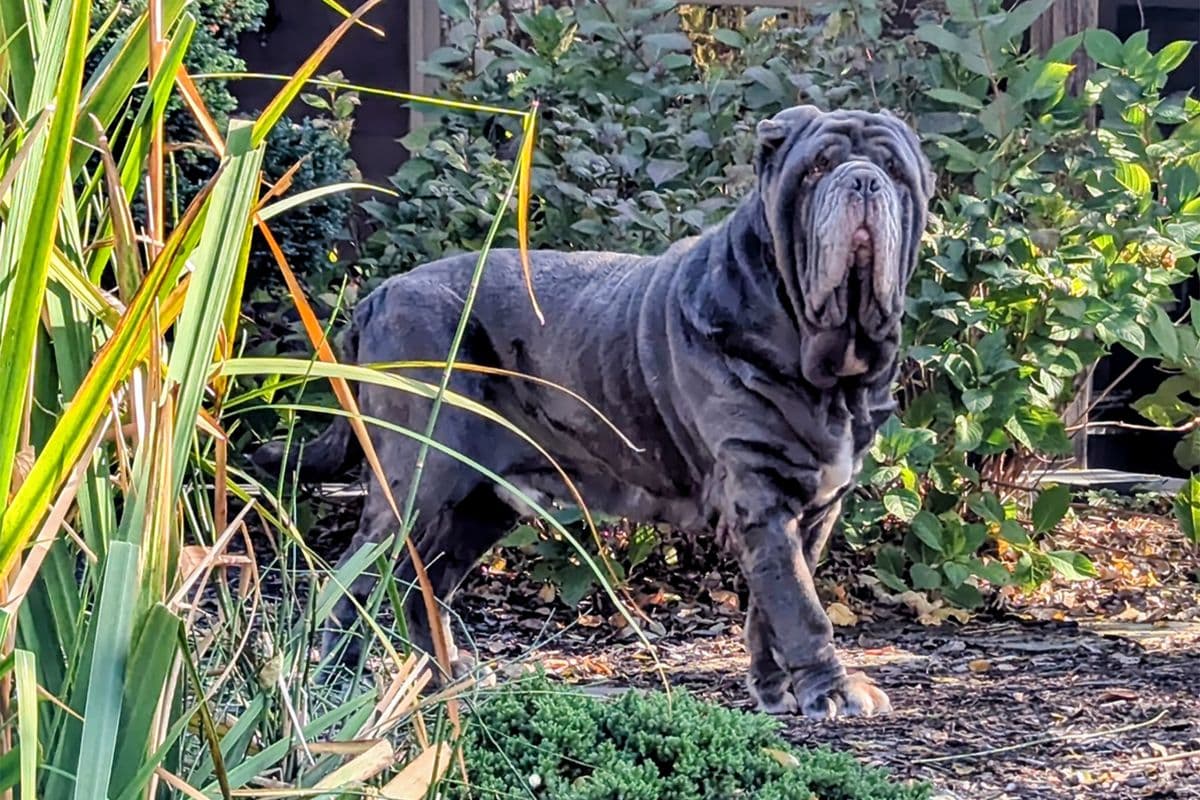
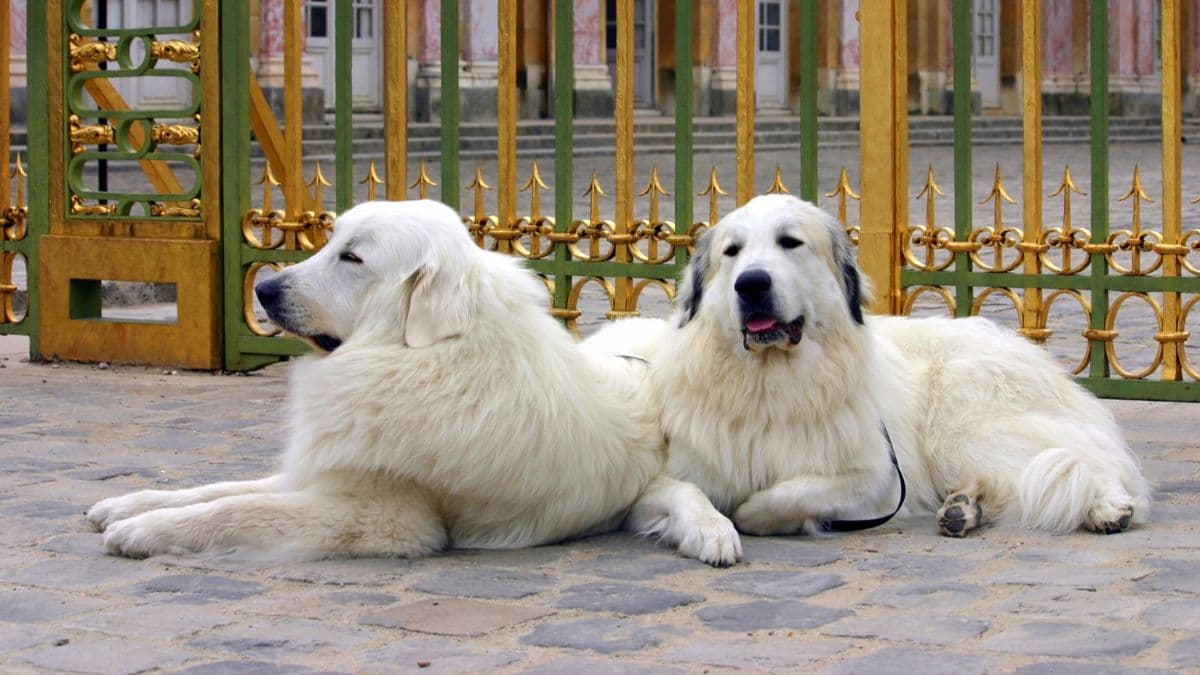
A Working dog’s purpose was, and remains, to serve humankind. In every example, structure matters. Heads, coats, eyes, skin, and overall construction are not merely aesthetic considerations; they are fundamental to breed type and function. A Neapolitan Mastiff was never meant for the speed and endurance of a Siberian Husky, yet its imposing presence and loose skin alone are enough to make anyone think twice about intruding—perhaps even guarding the Sorcerer’s Stone. The seemingly relaxed nature of the Great Pyrenees, paired with its deceptive awareness and agility, allows the dog to blend into the landscape until it is time to be seen. The smooth topskull of the Bullmastiff, followed by that sudden wrinkle, alerts the gamekeeper to be aware. These are not just words in a Breed Standard; they are traits essential to the jobs these dogs were developed to perform.
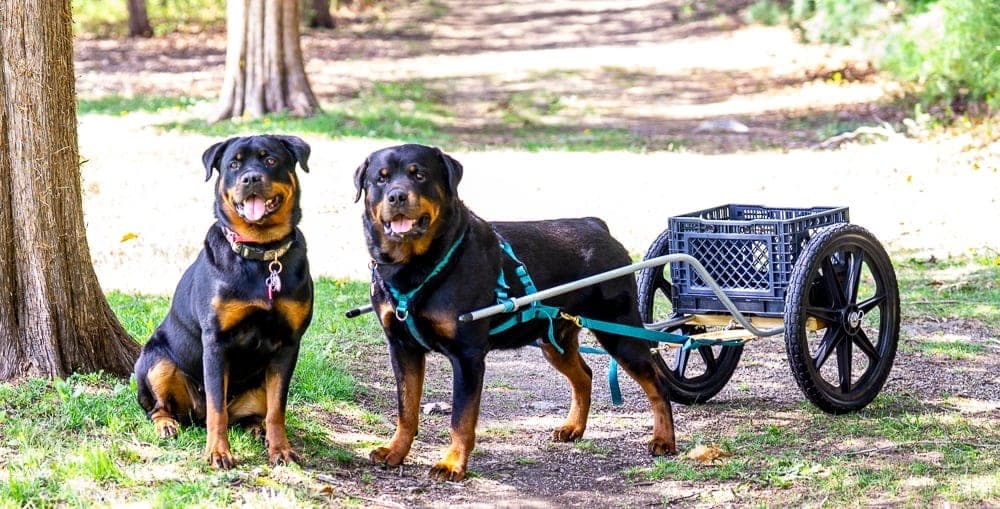
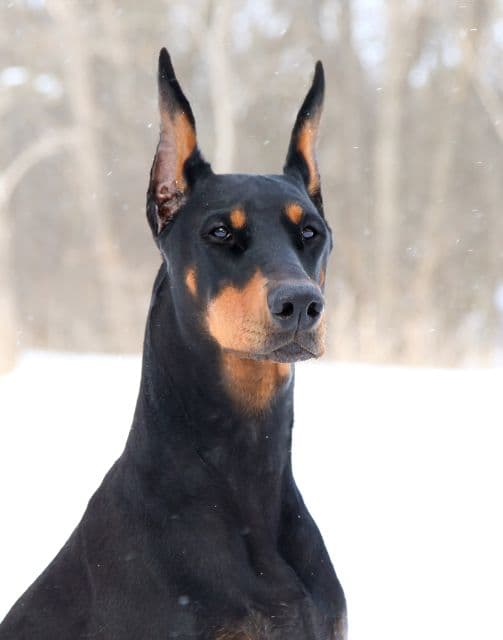
When we talk about structure, terms like reach and drive or a strong topline are not abstract concepts. They are functional assets. A rancher driving cattle to market does not want a Rottweiler with a weak topline that cannot cover ground. Nor would we entrust our safety to a Doberman Pinscher lacking a proper underjaw, or one with a snipey muzzle. Correct conformation is breed type meeting sound structure.
I will use my own breed as one final example. Over the years, I have shown and won with Giant Schnauzers with abundant leg furnishings and those with very little. Notably, there is no mention of leg furnishings in the Giant Schnauzer Breed Standard. This serves as an important reminder to look beyond expert grooming and ask a fundamental question: Can this dog do the job it was bred to do?
Becoming a judge, I have learned, is not about sitting ringside and offering opinions. It means meeting with breeders and learning what the Breed Standard does not explicitly say. It means watching large entries alongside experts who can articulate the reasons behind placements. It means studying the subtlety of a Boxer’s wrinkles, or the absence of them. It means understanding the banded coat of the Standard Schnauzer and the pepper-and-salt pattern of the Giant. It means looking past a beautifully groomed Portuguese Water Dog and feeling the backskull beneath the coat. It means knowing the precise measurements that define a correct St. Bernard head. I will admit, I was once an armchair judge; processing all of this information in mere moments requires dedication and humility.
As I continue my judging career, I have gained deep respect for the Breed-Specific Exam. I am currently working through the Terrier Group, and the volume of knowledge required is humbling. While today my focus is on Working dogs, the examination process is largely consistent across the Group, from Danish-Swedish Farm Dogs to Boerboels. Yes, there are breed-specific differences in bites, heads, and the presence of dewclaws, but the fundamentals remain the same.
That said, there are a few universal courtesies that all Working dog handlers and judges should observe. Avoid standing directly in front of these dogs and staring into their eyes for prolonged periods. Their protective instincts are deeply ingrained, and such behavior is rarely appreciated. Likewise, do not approach a Working dog using baby talk, you may find yourself wearing the dog as a hat. These are serious dogs and should be treated with respect. That does not mean they are untrained or aggressive; simply conduct your examination efficiently and quietly.
Finally, congratulations to Andy Linton and his Doberman, Penny, for becoming the 16th Working dog to win Best in Show at the Westminster Kennel Club Dog Show, marking its historic 150th anniversary. I can think of no more deserving team to achieve this honor—and no better way to celebrate the enduring legacy of Working dogs.

American Kennel Club (AKC)
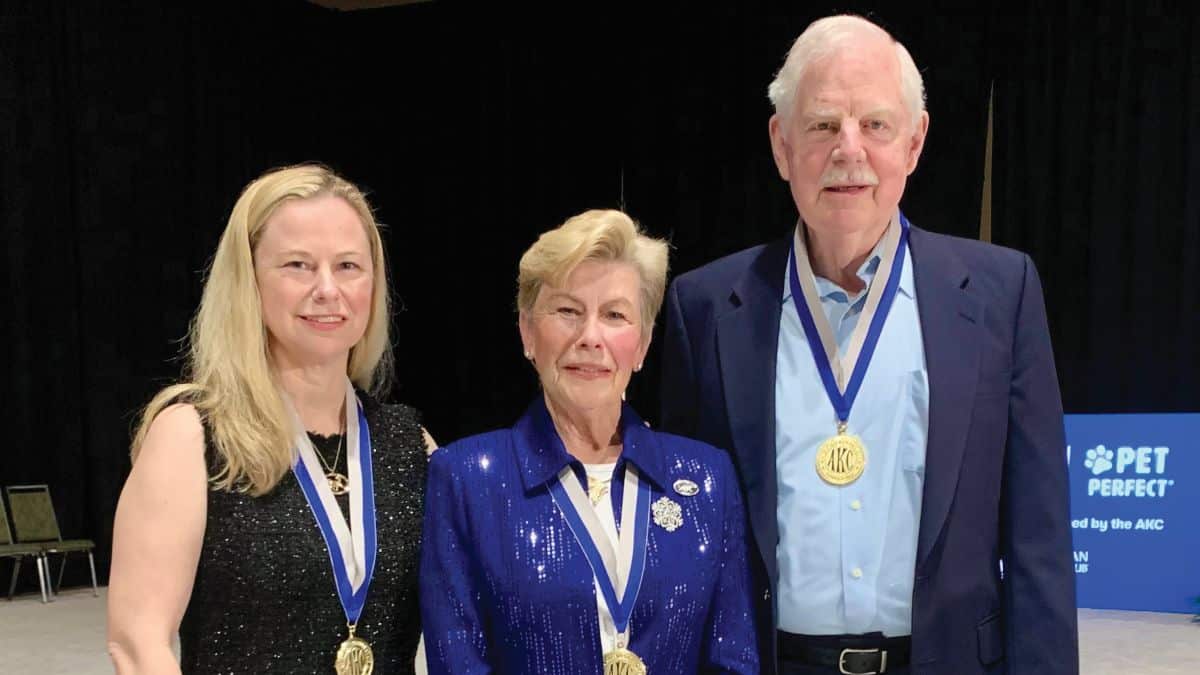
2025 AKC Working Group Honorees Wendy, Randy, and Jennifer Corr of Onak Kennel discuss preservation breeding and the Alaskan Malamute.