Members
Cynthia Holmes of Oakdale Shelties shares her decades-long journey in breeding, showing, and preserving Sheltie excellence.
The Weekly Brief
The best of SHOWSIGHT editorials, weekly wins, and breeder commentary — delivered to your inbox every Sunday morning.
Cynthia Holmes
1. I am Cynthia Holmes and my kennel name is Oakdale Shelties. I live south of Kansas City, Missouri, on 13 wooded acres. I have been involved in dogs my entire life. My mother bred and showed Boxers. I showed her Boxers in Junior Showmanship and was in a Juniors club. I always wanted a smaller breed and decided on a Shetland Sheepdog for a pet when I was in college.
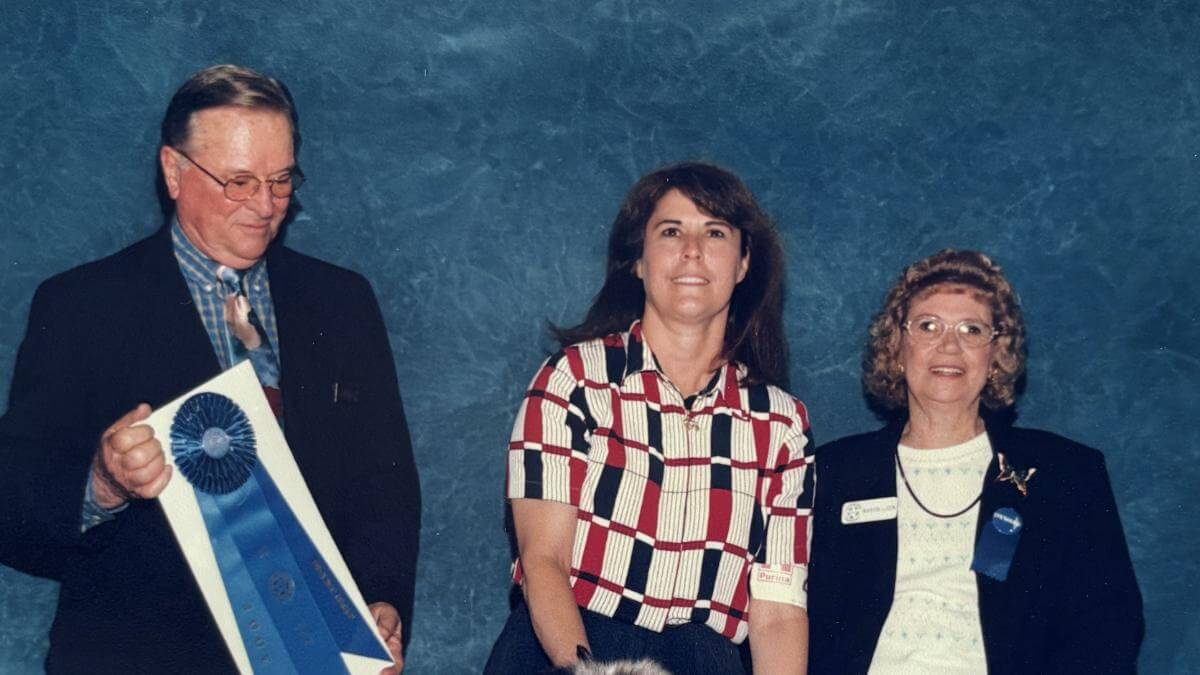
I showed him in Obedience, as he was not show quality. When in law school, I purchased my first show Sheltie and bred my first litter in 1983. I have bred very selectively and kept my numbers of dogs and litters low as I had a busy law practice and was a part-time prosecutor for the City of Kansas City.
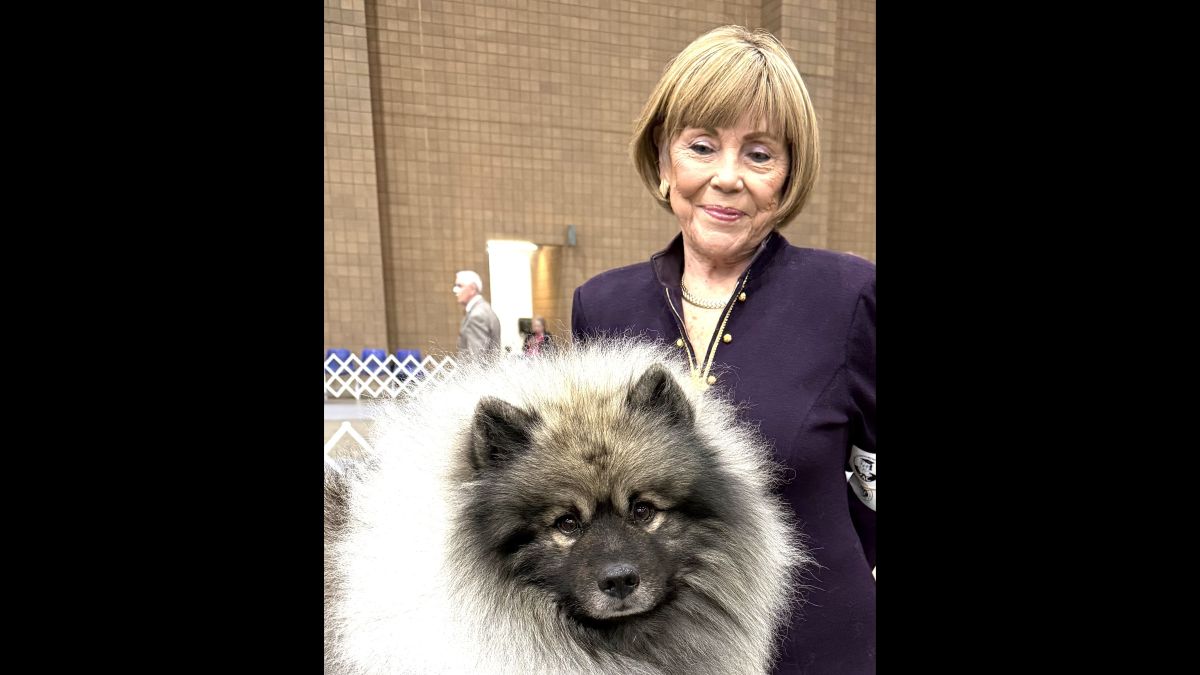
I showed my own dogs and have finished 48 champions. I have had three Register of Merit dams. I am now retired and currently have the No. 1 Sheltie out showing with a Professional Handler, Jennifer Harper. He is the epitome of breed type, and I am extremely proud of his accomplishments to date.
2. The American Shetland Sheepdog Association (ASSA) has an excellent written Breed Standard as well as an excellent Illustrated Standard. It’s not a question about head type versus correct structure, as both are extremely important to maintain breed type. The total correct Sheltie has a balanced, elegant outline, excellent structure, efficient ground-covering movement with reach and drive, a detailed head, and beautiful expression. The temperament should be intensely loyal, affectionate, and responsive to his owner, but can be reserved toward strangers.
3. Shelties are a fairly popular breed and are great family pets, so there are always plenty of homes.
4. I have used new technologies as they have come into play, such as genetic testing, progesterone testing, ultrasound, and chilled semen. From social media, I have learned new ideas and techniques in breeding, whelping, showing, grooming, health, kennel ideas, and management.
5. I haven’t really seen much change in my community.
6. There are more professionals as well as more shows. Often there are shows the same weekend that are drivable in several directions, and many four-day clusters. When I started, shows were mostly held on the weekends. If you have a full-time job, you cannot go to shows every week from Wednesday to Monday. Also, having so many shows causes the numbers entered per show to go down for points, and it makes it easier to finish a mediocre dog.
Too many Shelties are finishing as young puppies before they are fully grown and mature. Shelties often get coarse and/or go over the size limit if they finish at a young age. That is not good for the breed. When I started showing, it took 25 Shelties to make a three-point major in my area. Puppies rarely finished from the 6-9 Month Puppy class or by going Best of Winners with no competition in their sex.
7. I am fortunate to live in the Midwest where we all support each other. We have a great group of Sheltie breeders who not only help anyone in need but also welcome newcomers and provide learning experiences and mentoring.

Meet the Breeders