Members
Learn how to safely introduce dogs and children, with tips to build trust, set boundaries, and create a calm, respectful relationship.
The Weekly Brief
The best of SHOWSIGHT editorials, weekly wins, and breeder commentary — delivered to your inbox every Sunday morning.
Bringing dogs and children together can create a magical bond, but only when done with thought and care. Whether your dog was there first or you’re introducing a new pet into a home with little ones, every age and situation has its own best practices. Here’s how to navigate these introductions to build trust and safety from day one.
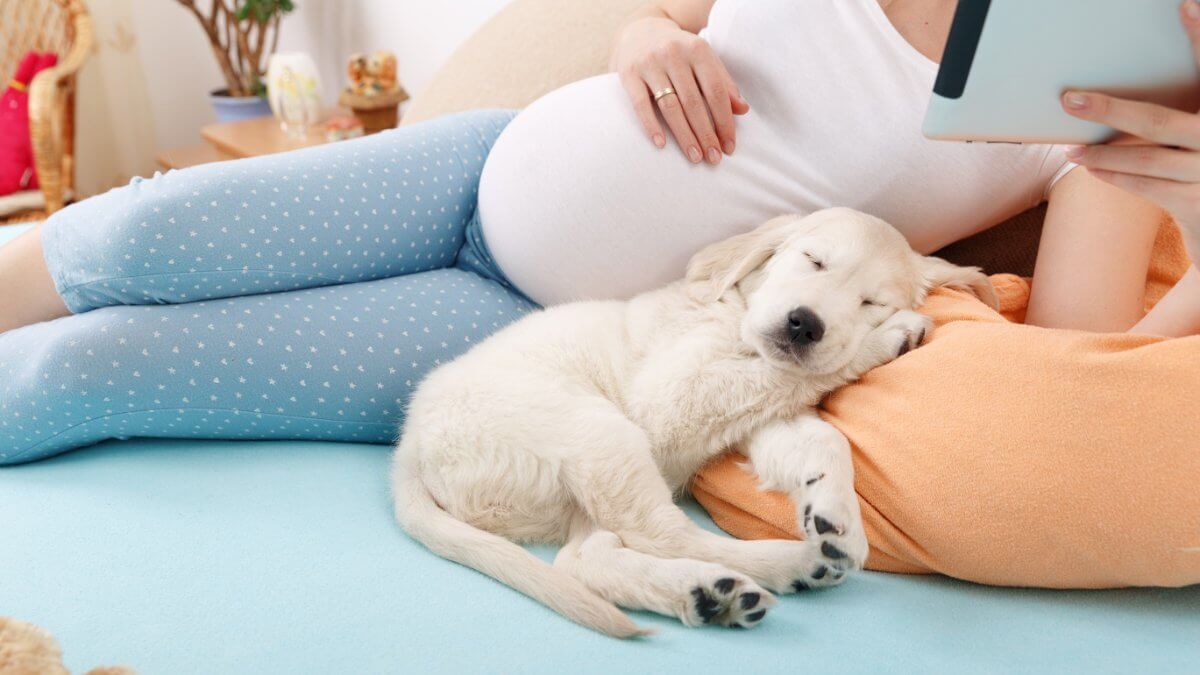
If your dog is already part of the household, begin prepping well before the baby arrives. Dogs are incredibly sensitive to change, and they pick up on new routines and energy shifts. Slowly adjust walking times, play sessions, and feeding schedules to match what life might look like postpartum. Let your dog explore baby items like cribs and strollers, and play recorded baby sounds that can help with desensitization.
Some areas should be off-limits, especially the baby’s sleeping space. Use baby gates or closed doors to establish these zones early so that your dog doesn’t associate the baby’s arrival with new restrictions. Teaching a reliable “go to your spot” or “leave it” command will be invaluable.
When the baby comes home, keep the atmosphere peaceful. Let another adult enter the home first and greet the dog while the baby remains outside. Once your dog is calm, bring the baby in, and allow the dog to sniff from a distance while on a leash. Never force a face-to-face interaction. Keep early encounters short and positive.
Your dog’s signals matter. Signs of stress, like yawning, licking lips, whale eye, or stiff body posture, mean it’s time to step back. Growling isn’t bad—it’s communication. Respect it. On the flip side, a relaxed body, wagging tail at mid-height, and loose movements signal curiosity, not a threat.
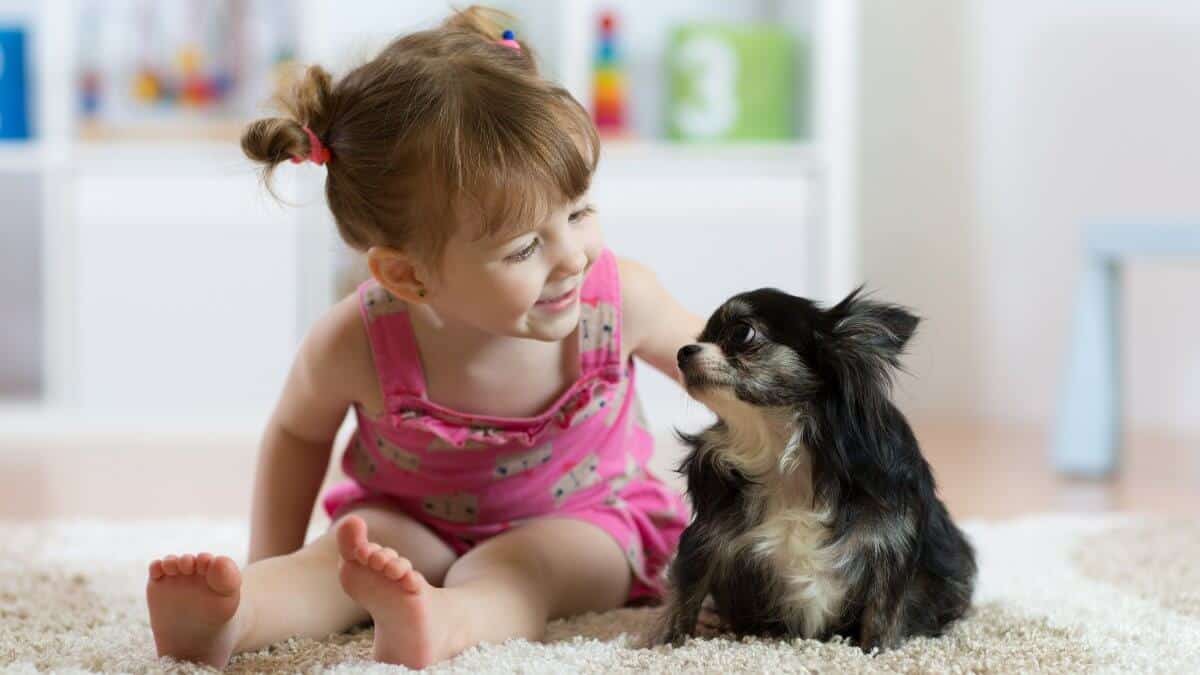
A crawling, grabbing, toddling child is far different from a newborn in a crib. Just as your baby is growing and learning boundaries, your dog needs time to adjust too. Toddlers often move unpredictably and may startle or hurt a dog without meaning to. Supervise closely and never leave toddlers and dogs alone together, even for a second.
Even before a child can speak in full sentences, they can learn how to be gentle. Model behaviors like petting with an open hand, avoiding pulling tails or ears and giving the dog space when it’s eating or sleeping. Repetition, not reprimanding, works best here. Make it a game: “Can you find your gentle hand?”
Dogs thrive on praise, treats, and consistency. So do kids. Reward your dog for calm behavior around children, and praise your child when they interact respectfully with the dog. Create a culture of kindness and attentiveness in your household from the start.
This situation flips the script. The choice of dog—its breed, age, temperament, and energy level—matters tremendously. Purebred dogs come with certain traits genetically baked in. This is a huge benefit for families thinking about their lifestyle and how a dog and baby fit in.
I will take a stand and say that I am not a fan of rescue dogs and babies together. I want to know the entire history of a dog, either one I have brought up (to place in a family with babies or children), or that a trusted breeder has raised.
Just like you’d baby proof a home, think of dog-proofing too. Use baby gates to create zones, and allow the dog to sniff around and explore the environment. Introduce the child and dog through barriers at first, and reward calm curiosity on both sides.
Both dogs and children need breaks. A crate, x-pen, or quiet room can give your dog sanctuary. Similarly, kids benefit from calm spaces to wind down. Teaching both parties how to be apart comfortably prevents overstimulation and reduces the risk of tension or accidents.
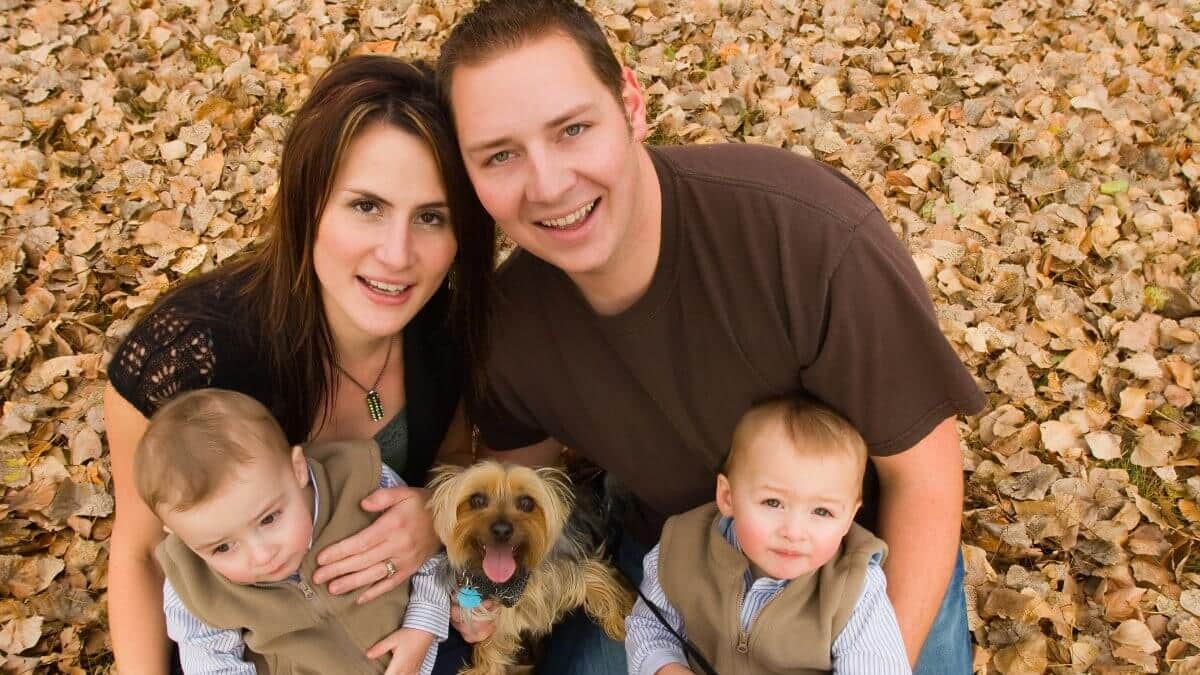
As your child grows, they can take on age-appropriate responsibilities like filling a water bowl, tossing a toy (not tug games), or helping on short walks. Let them feel empowered, but always supervise closely to ensure both the dog’s and child’s comfort and safety.
If your dog growls frequently, shows signs of anxiety, or you feel unsure about the dynamic, enlist a certified trainer or behaviorist who uses positive reinforcement. Waiting too long can escalate issues. Some guides suggest that pediatricians and child development specialists can offer tips that are tailored to your child’s age and temperament. I personally do not know of any pediatricians or child development specialists who know more than my dog friends. I’m talking about responsible breeders and people involved with Conformation and Performance sports, not your average dog owner. In any case, please do address the issues. And of course, if you have purchased your dog from a Preservation Breeder, they can be your greatest resource and should be your first contact.
Dogs often relax more when they understand their role in the household. Consistent rules and predictable routines help both kids and dogs feel secure. Feeding times, walk schedules, and quiet zones should be respected by all family members.
Even with the best training and intentions, kids and dogs can have moments of friction. If anything occurs, prioritize safety first, then evaluate what went wrong. Often, it’s not about aggression but about miscommunication. Use these moments as learning opportunities, not as reasons to panic or rehome, but do not ignore signs of trouble.

The dream is a child who grows up with a loyal, loving dog. Many families experience just that. But even the most tolerant dog should never be treated as a toy or babysitter. Supervision, respect, and active management are lifelong tasks. The reward? A deep bond filled with trust, laughter, and lifelong memories.