

Home » Interview With Sharon Ann Redmer: 2026 Westminster Kennel Club Dog Show Breed Judge
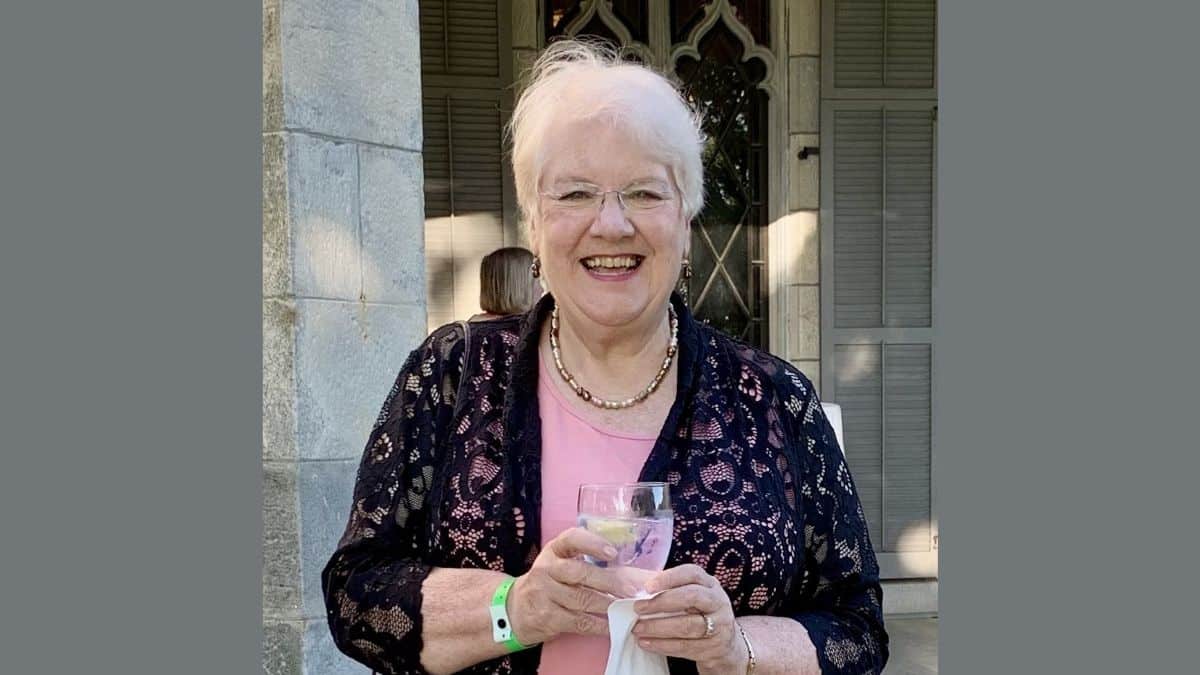
Sharon Ann Redmer: Thank you, to The Westminster Kennel Club, for the absolute honor of judging at its 150th event. I was “over the moon” thrilled to be invited back, especially at the historic 150th show! This was my fifth assignment (two Masters Obedience and three Conformation). No matter what… Westminster prevails and remains the most prestigious show in the US.
Sharon Ann Redmer: If you are going to judge Herding breeds (even if only from ringside or on video), then you had best learn a bit about the work they have been bred for years to do. Because if you can understand the function of these dogs, you can understand why they look, behave, and move as they do.
Beauceron: A sturdy wash-and-wear dog, completely French in origin; hardy enough to move 200-300 head of sheep traveling up to 50 miles a day—and guard them at night. The Beauceron had to possess solid structure and unwavering endurance. If the dog could not do the job, he/she was not kept nor bred. Intelligent and faithful to master, reserved with strangers but never timid. This is a wonderful breed.
And Westminster was blessed with wonderful entries. My final selection for BOB (14 entered) was a 5.5-year-old bitch from the Pacific Northwest. She was sound, typical in her outline (bitches can be slightly longer than the males) and had ground-covering, long-reaching strides called for in the Breed Standard. She could go all day long with that gait. She was powerful, well-muscled, and was shown in stellar condition. She possessed a self-assured attitude and frank gaze. Her eyes were beautiful, oval, dark brown, and set horizontally. And yes, she showed to perfection on
this day.
The Belgians (Malinois, Laekenois, Sheepdogs, and Tervuren), square, upstanding dogs with effortless gait, elegant carriage, solidity without bulkiness, tireless work ethic. Aware of strangers, but should never be shy nor aggressive. They were originally bred to work small Belgian farms, most often working unfenced pastures/fields, tending stock and guarding the family and their property. As small farming receded, the Belgians added police and military work to their credit. The four Belgians are considered varieties of one breed in the country of origin and across the world. Here in the US, they were one breed until the mid-1950s when they were separated into four individual breeds. I have owned Tervuren since 1971.
Belgian Laekenois: My final selection for BOB was a 2-year-old male. His character was fabulous. He was square, with a long head, and frankly, a typical 2-year-old male body. The Belgians mature slowly, so he will look; quite different in three years. He had a clean head with parallel planes. His coat is still developing, but he has a rough texture with a tousled look and correct beard and facial furnishings that do not hide the eyes or lines of his head. His movement was smooth and free.
Belgian Malinois: My BOB winner was a beautiful 4.5-year-old bitch from Florida with HSAdsc and HSCs titles. For those who do not know, HSA refers to the started level of herding on a set course and is specific to individual livestock d (ducks), s (sheep), c (cattle). HSCs refers to the started level of herding where the dog acts as a living fence for sheep, just as our Belgians did before fences were erected. This BOB was highly contested by the ultimate BOS and Select males. I was delighted with the quality of the 11 presented! The bitch was not to be denied with her lively attitude, beautifully chiseled head and dark eyes, square build, and easy, ground-covering gait. I can just see her doing the work of her
Belgian ancestors
Belgian Sheepdogs: The BOB winner was a stunning 7.5-year-old male from the Pacific Northwest. He was presented in perfect condition with good muscling, correct bone, lovely square outline, rock-solid topline, and effortless gait for a square dog. His head is masculine with no coarseness, his eyes are dark brown, slightly almond-shaped and set ever so slightly obliquely, and his well-set ears are smallish, triangular, and well-cupped. His black coat was perfect in texture and framing to his body. He had very strong competition from the lovely BOS bitch and the handsome Select Dog.
Belgian Tervuren: Another winner from the Pacific Northwest… this time a 4.5-year-old male. This boy caught my eye immediately. He is so very balanced. Correct silhouette, proper proportions, beautiful carriage of head, strong topline, effortless movement, and medium bone. His coat fit him perfectly and would protect him in any weather. Temperament was strong. Like all the Belgians, he was totally tuned in to his owner.
Berger Picard: Picards are rustic working shepherds’ dogs, originally developed in northern France. They are medium-sized, sturdily built but never bulky, slightly longer than tall, with erect ears and a wiry coat of moderate length and a J-hook tail. The entry was 12, with 11 showing, and a stunning bitch was the victorious BOB. She was everything I wanted to see in a Picard—correct size and proportions, very light-footed with a free, efficient gait and standing true in front. This bitch is simply in total balance!
Bergamasco Sheepdogs: Rustic alpine stock dogs bred and built to herd and guard in rough terrain. Their Standard is extremely specific about proportions (5-6 percent longer than tall), angulation, and coat (undercoat for protection from the elements, “goat hair” and woolly hair which weave together to form “flocks”). One must truly get underneath those flocks to find the dog below. The entry was five, and all were excellent examples of their breed. The ultimate winner was a 6.5-year-old bitch—sound and of absolutely correct proportions. Her gait was balanced, steady, elastic, and moderate with efficient foot timing. All the Bergamascos exhibited wonderful character in the ring. I love this quote from the Bergamasco Sheepdog Standard: “Just because the eyes are not seen does not mean they are not watching.”
Spanish Water Dogs: Another Herding Group member described as rustic—this one from the Iberian Peninsula. They were used by Spanish herdsmen, hunters, and fishermen… truly an all-purpose dog. The breed hallmark is a distinctive single curly coat. They are always shown naturally with no aesthetic grooming. Four Water Dogs were entered at Westminster. The ultimate winner was a 4.5-year-old male. He was delightful. Quite the show dog, this boy had a lovely robust body, with balanced angulation front and rear that produced a ground-covering gait—smooth and free. His coat was single, curly, and wooly; it was quite luxurious to the touch, with thin cords present. He was a clear winner on this day, although the overall quality of the entry was quite lovely.
Swedish Vallhund: A very old spitz-type breed used for farm dog chores and herding cattle. This is a small, proportional (ratio of height to length is 2:3), sturdy dog with a double, hard, close-fitting sable coat and harness markings on the body, a wedge-shaped head, and medium-sized prick ears. They are charming, friendly dogs. Ten were shown this day. The ultimate winner was simply not to be denied today. Full of life, he simply owned the ring… even in a ring filled with extroverts! He is a 3-year-old but fully mature, with a correct, solidly built muscular body and a sound, ground-covering gait. Not an ounce of fat or wasted movement! He was a great combination of agility and endurance. He had proper depth of chest and a long, well-sprung rib cage. Additionally, the dog told the judge, repeatedly, he was the best.
Sharon Ann Redmer: At the conclusion of my judging, Westminster remains “simply the best” dog show ever.