Members
Interview with Mercury Steele, breeder behind Where the Wild Dogs Grow, on preserving the rare Carolina Dog as a true landrace breed.
The Weekly Brief
The best of SHOWSIGHT editorials, weekly wins, and breeder commentary — delivered to your inbox every Sunday morning.
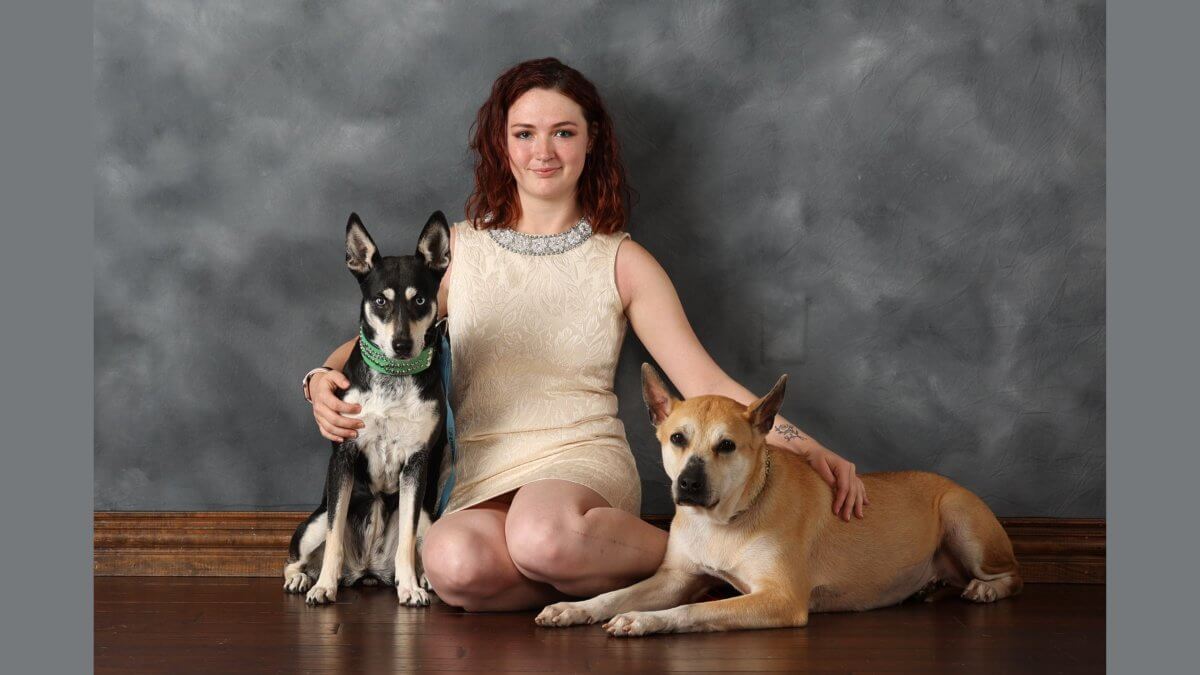
Mercury Steele: My name is Mercury Steele, and I live in the Texas Panhandle. I grew up with dogs, between rescue dogs and our well-bred Boxers, so I had solid foundations and an appreciation for ethical breeding. I have been involved in dogs for over a decade, with my focus gradually narrowing to rare, primitive, and landrace breeds. While I also own other breeds, my primary focus is on the long-term, responsible preservation of the Carolina Dog. Working with multiple individuals and generations allows me to maintain a stable, predictable line reflecting consistent type, temperament, and longevity. The Carolina Dog became the central focus of my work because of its historical significance, intelligence, and unique behavioral profile. I’ve always been driven to support “the underdog,” and rare breeds need help more than most. I breed under the kennel name of Where the Wild Dogs Grow. I am an amateur breeder and have only bred two litters in my time within the dog fancy.
Mercury Steele: The Carolina Dog is a landrace breed whose phenotypical traits reflect generations of natural selection and the need to survive. It is not a breed that has been shaped by the hand of man. A correctly built Carolina Dog is moderate in size, balanced, and athletic, with a structure designed to travel long distances with minimal energy expenditure. Some hallmarks of the breed include a deep chest into a defined waist, expressive ears always aware of their environment, and the characteristic fishhook tail. A balanced dog is well-angulated, designed for powerful but effortless locomotion; a detail that is often overlooked but strongly linked to the breed’s historical survival needs. The resulting movement should be smooth and efficient. Despite being a landrace, the Carolina Dog displays a surprisingly wide spectrum of acceptable colors, a natural variation that adds to the breed’s depth without compromising type.
Temperament is just as important and equally defining. The ideal Carolina Dog is observant, thoughtful, emotionally intelligent, and naturally cautious with strangers while forming strong bonds with its family group. These traits are not accidental; they are the product of a long, functional existence. This is not a breed that will be everyone’s best friend, and that’s okay! They should be adaptable and able to live in today’s world without losing the traits that make them unique.
As with any breed, maintaining defining traits is essential for preserving authenticity and respecting the breed’s history. When type becomes diluted or sacrificed, the breed risks losing the very qualities that render it historically and biologically significant.
Mercury Steele: This year, I do not believe there are enough breed-appropriate homes to justify breeding a litter of Carolina Dogs. This breed is not suited to every household, and responsible placement requires homes that understand the unique temperament and needs of a landrace dog. I breed to preserve the breed, not to meet demand, and only when I have thoroughly screened and prepared the right homes in advance and tested/titled my dogs. Preservation comes first, and sometimes that means choosing not to breed at all.
Mercury Steele: Breeding in today’s world means being flexible and constantly learning. I do my best to stay as scientifically educated as possible, which means I utilize comprehensive genetic panels, OFA health testing, and population analysis to make informed, long-term decisions that support genetic diversity and structural integrity within the breed. Maintaining detailed digital pedigrees and tracking coefficients of inbreeding allows me to plan future generations responsibly. In raising litters, I incorporate Avidog, ENS/ESI, and Puppy Culture to support early development and set my puppies up for success as best as I can.
Digital communication, especially social media, allows for transparency with prospective owners, current owners, and fellow breeders, and assists in providing updates, educational resources, and guidance throughout the placement and developmental process.
Mercury Steele: Yes, I have noticed a growing appreciation for responsible breeding practices and purpose-bred dogs, and an interest in what it is we do and why. Many people are gaining a better understanding of the value of health testing, temperament predictability, and the cultural or historical significance of certain breeds, which leads to families being able to choose appropriate pets for their homes. At the same time, misinformation remains prevalent, which makes education a continual and integral part of my role as a responsible breeder and dog fancier.
Mercury Steele: In some breeds, there is a trend toward exaggeration and flash over soundness or integrity. With a landrace breed such as the Carolina Dog, it is particularly important to resist pressures that shift the breed toward modern exaggerations. Preservation breeding should emphasize balancing sound structure and historical purpose rather than
stylistic trends.
Additionally, I have noticed more divisiveness and animosity in fanciers, leading to less focus on the dogs themselves and, unfortunately, impacting the future of some breeds. The dog community can make or break people, and while they have rallied behind people at their lowest, there is no shortage of people feeling as though they can’t reach out for help.
Mercury Steele: I have seen increased emphasis on health testing, transparency, and data-driven decision-making among breeders, leading to sounder breeding choices. Preservation breeding, especially for rare or landrace breeds, is gaining more visibility and respect. Additionally, younger breeders and handlers are entering the sport with thoughtful, research-based approaches and a strong interest in sustainability and ethical breeding. A large part of our community has shown support for young exhibitors and has offered support in incredible ways. One of those ways is the requirement for AKC Judges to take and pass the Stewards of Children training. These trends give me optimism for the future of purebred dogs.

Meet the Breeders