Members
Steven and Judy Takamatsu of Junketsu Japanese Akitainu share insights on breed type, cultural preservation, health testing, and the sport.
The Weekly Brief
The best of SHOWSIGHT editorials, weekly wins, and breeder commentary — delivered to your inbox every Sunday morning.
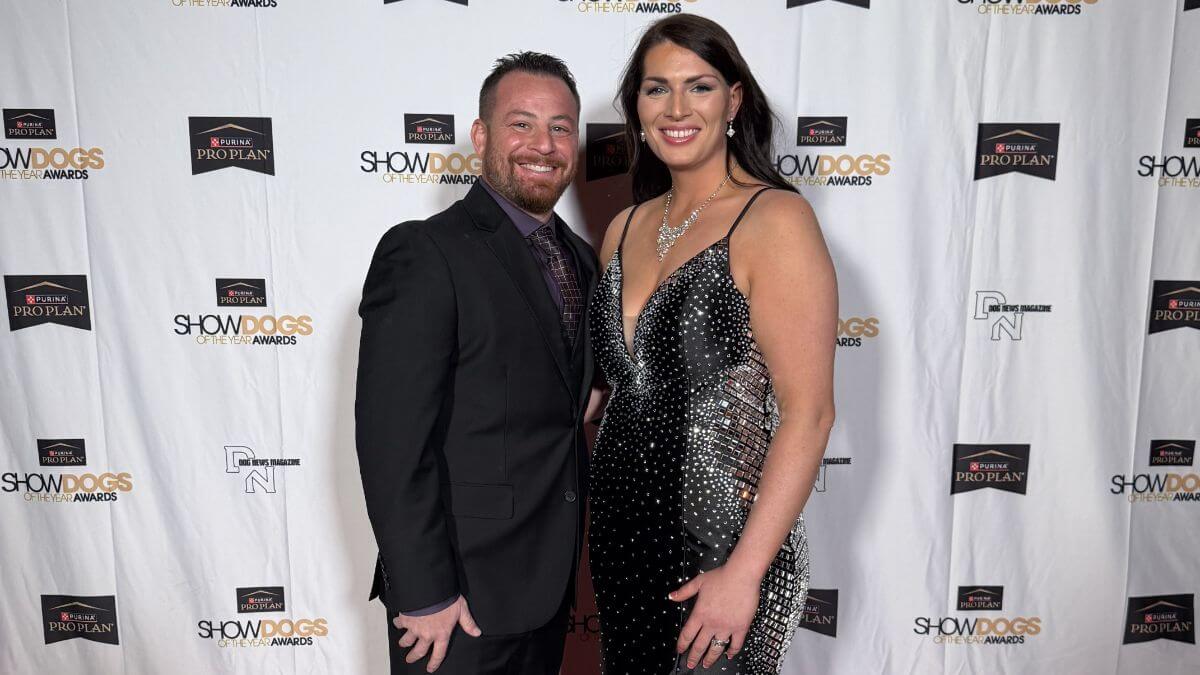
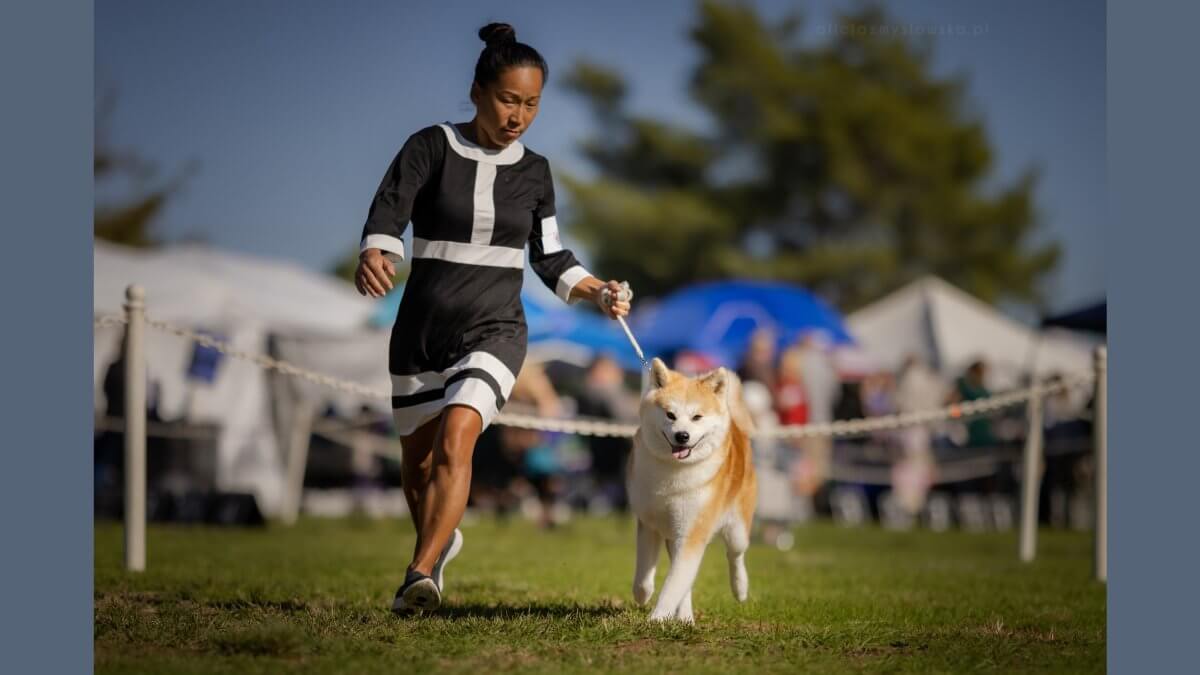
Steven & Judy Takamatsu: We are Steven and Judy Takamatsu from SoCal. Our journey in purebred dogs began 24 years ago. Since 2002, we’ve been members of Akitainu Hozonkai (AKIHO North America) and the Japanese Akitainu Club of America (JACA). We were also members of Beikoku Shibainu Aikokai (BSA), a Nihonken Hozonkai (NIPPO) club, for 13 years. In 2023, we joined the Kennel Club of Riverside. We’ve been breeders for 14 years. Our kennel name is Junketsu Japanese Akitainu.
Because the Akitainu is one of the six Nihonken (native Japanese breeds) designated as a natural monument, we do not take its cultural significance lightly. Having been mentored by leadership in our clubs, we hold in high regard the legacy, standards, history, culture, and efforts of breed communities in the country of origin.
Steven & Judy Takamatsu: In terms of physical structure, the hallmarks of the Akitainu are the head, topline, and tail. Breed enthusiasts also know that the essence and expression as outlined in the original Japanese Standards are equally significant. These are traits conveyed through the eyes, demeanor, and in tachikomi (free-stack). While some in the West feel breeders no longer need to concentrate on type, we have been taught by judges and breeders in Japan that this is not the case. Breeders can improve on anatomy and movement imperfections while maintaining type. After all, it took decades, generations, for our predecessors to restore and refine type in the breed. What they worked so hard to develop must not be lost.
Steven & Judy Takamatsu: We had eight puppies earlier this year and most were quickly spoken for. We seem to attract potential owners who appreciate our approach to breeding. Potential owners find us through recommendations from previous owners, fellow breeders, club members, or people in other breeds who have gotten to know us over the years, as well as through our club website. The majority of JACA and AKIHO NA breeders work together and enjoy great relationships with each other, so we happily refer potential owners to one another.
Steven & Judy Takamatsu: We take advantage of genetic testing for hereditary health conditions and traits, and use DNA profiling, x-rays, and other tests to make breeding decisions. When we have a litter, we use a modified puppy development protocol based on Puppy Culture, what we’ve learned (and continue to learn) from longtime breeder-friends, as well as our own experience with the breed. We’re users of the Akita pedigree website, which can be a valuable source of lineage information. In terms of communication technology, we utilize messaging and video meeting apps, and social media platforms to maintain open lines of correspondence with our puppy owners, fellow breeders, club members, board members, and dog friends.
Steven & Judy Takamatsu: Yes, over the years, the AKC, parent breed clubs, breed-specific rescues, and purebred advocates have improved educational messaging regarding the virtues and the realities of purebred dog ownership in terms of preservation, conformation, temperament, and health. Hopefully, such awareness will continue to grow, and in turn, increase public perception in a positive, pragmatic way.
Steven & Judy Takamatsu: Concerning trends include misinformation about breeds and the sport of purebred dogs, and artificial intelligence depictions of breeds (we are fortunate to have artists and writers in JACA and AKIHO NA who are talented and more reliably accurate than AI). While we never had the experience of feeling unwelcome at dog shows when we were newbies, it is a concern that we are aware of. So, we’ve helped our clubs create opportunities and materials that we hope our new members find useful.
Steven & Judy Takamatsu: From our experience as board members in our breed clubs, we view cultivating relationships with various communities as a positive change. We’ve been impressed by how supportive the FSS-Miscellaneous community is in sharing information as we navigate the path to full recognition, and at shows, someone is always willing to lend a helping hand. We’ve also seen how enthusiastic AKC judges have been to learn about our breed. Within the international breed community, health information is shared and JACA has gotten great feedback for our quick guides. On a related note, we recently had a sneak peek at the judges education material which the National Kishu Ken Club is developing (outstanding!). It’s exciting to see other Nihonken breeds making progress toward full recognition.
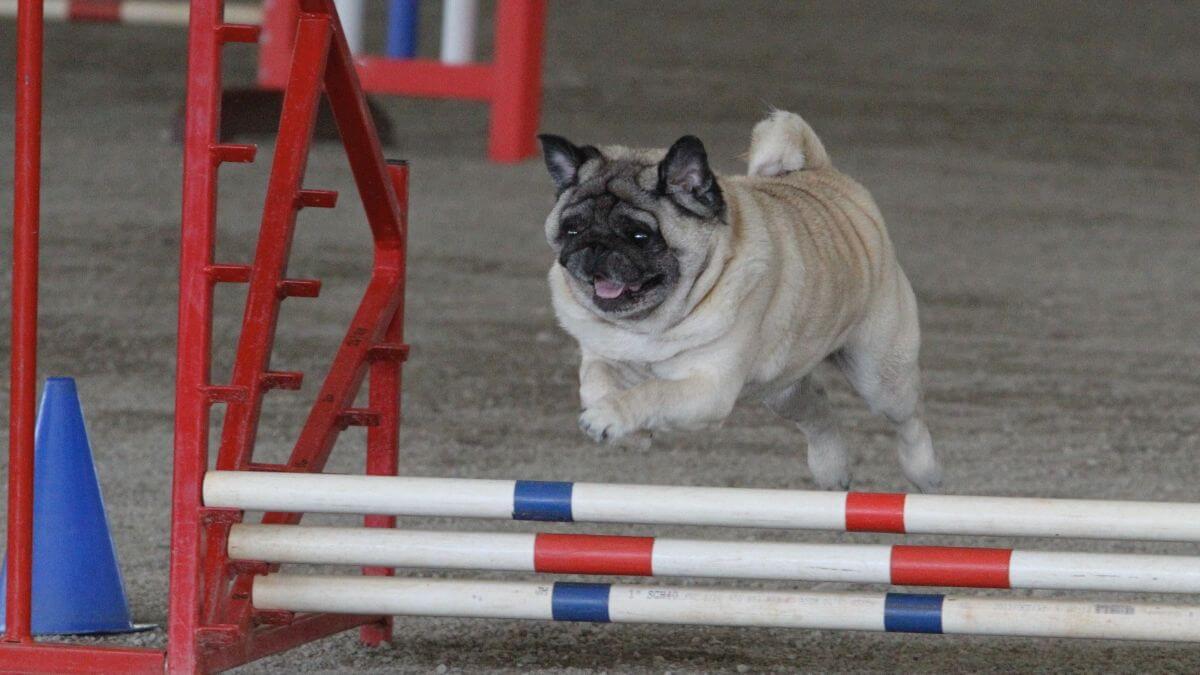
Another positive change is the growing awareness of Performance sports. Several of our dogs participate in Nose Work and Fast CAT (though one of our dogs thinks it should be called Slow CAT). It’s fun seeing the different breeds participate, and we encourage our owners and friends to give Performance sports a try.

Meet the Breeders