


More than 40 years ago I was living on Long Island, beginning my rather lengthy career as a Beagle breeder. I had a small kennel in a residential neighborhood and was close enough to New York City so that we got invited to do a certain amount of media appearances. We had litters fairly often, so we were frequent guests of Captain Kangaroo and even appeared in a couple of full-length movies.
At one point, we were approached by a major dog food manufacturer that was bringing out an innovative new product: a treat for dogs which contained a hard bone-like outer surface with a soft, meaty interior. That was pretty novel back in the day. The company wanted to film two exactly identical Beagles being presented with a choice of a steak dinner or the product. The plan was for the one hound to turn up his nose at the steak dinner in favor of the new product. Knowing that Beagles will Hoover up anything that even resembles food, I had some doubts as to the ultimate success of the project. I’ve never had two littermates who were fairly close in size and color. “Not good enough,” said the media mavens and I was asked to dye the dogs so that they were the exact same tri-colored pattern. Now, since it wasn’t a dog show and I wasn’t (ahem) any stranger to the application of a little color here and there, I quite readily agreed. The fact that the company was willing to pay a king’s ransom for the job made the decision even easier.
We were provided with an ample supply of the top-secret new product in order to get the dogs used to it. It was a great product and they loved it. The day of filming in my backyard dawned bright and sunny. (Of course, they had actually moved and replanted a tree to get just the right light.) The film crew arrived with several chef-prepared steaks that made my mouth water. Lights! Camera! Action! The Beagles were in high gear, but, predictably, after several tries, both of them seriously preferred steak. After a number of tries we gave up for the day. Next day, though, they were back again. The steaks, however, were thoroughly loaded with coffee grounds, invisible to the cameras of the day but highly offensive to the Beagles’ acute sense of smell. The commercial and the product were a success and we all lived happily ever after. Except, of course, that I no longer buy anything based on a commercial.

The “ad men” justified the “minor” adaptations of reality with the idea that they were not changing the color of the Beagles, just rearranging them, and that the adulteration of the steak really made no difference to the quality or appeal of their product. It’s a point of view.
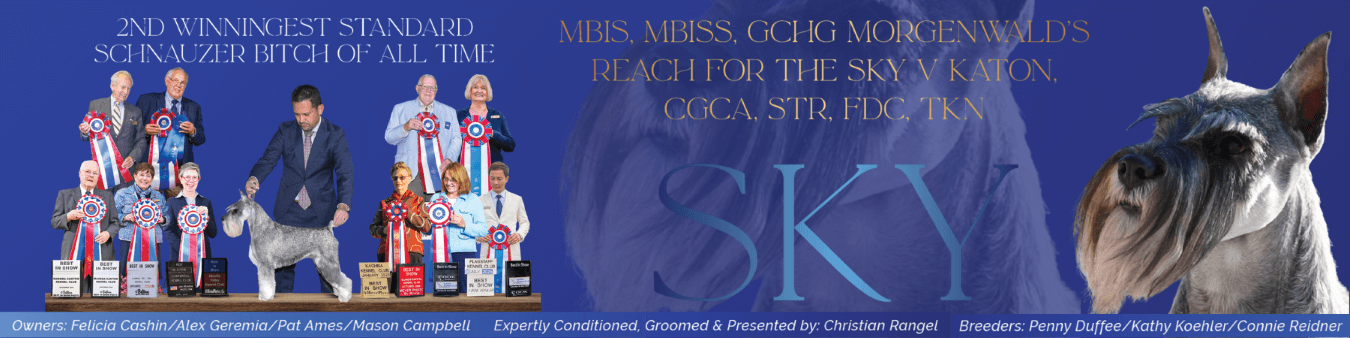
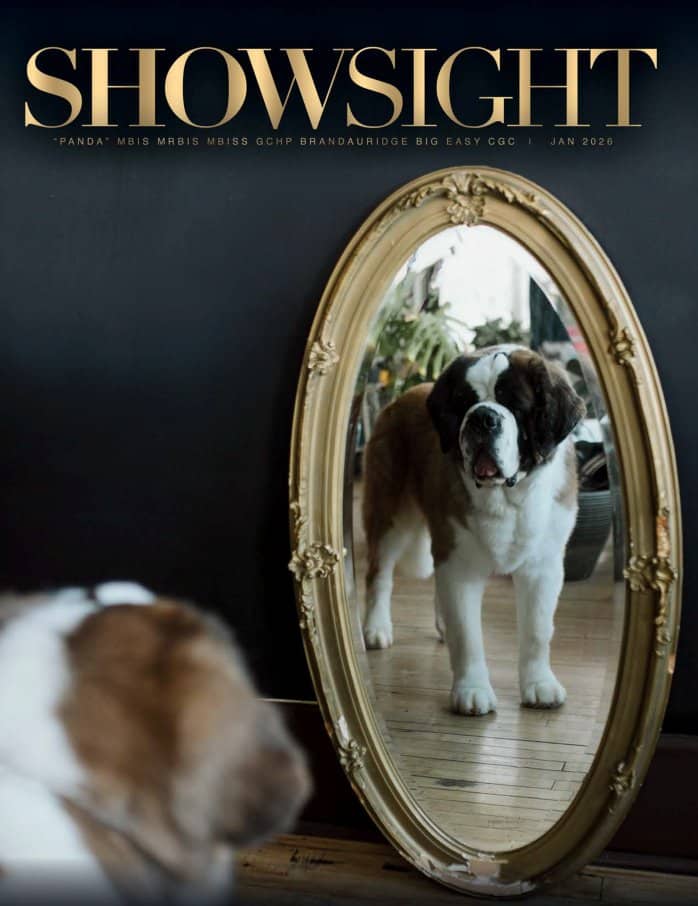
Each month, the mail brings me several pounds of slick magazines, including SHOWSIGHT, featuring some really incredibly well-produced and executed ads for top-winning dogs. I’d like to say that not much has changed since I was a teenager. When my mother found the Playboy magazine under the mattress, I solemnly professed that I only read the articles and didn’t look at the photos. I’ll give you the same story today, but the truth is that I, along with many other judges, thumb through the glossy pages one at a time. The editors seem to know where to position an ad (i.e., opposite an article relative to the breed) and that brings me to the point of THIS article, which is truth in advertising as it pertains to the dog world.
I’ve looked at ads that portrayed dogs winning under incredible lineups of judges and thought, “I’d never put that dog up because of the obvious (insert applicable fault here).” Weeks or months later, when I actually got my hands on the dog, the fault that appeared in the ad was nowhere to be found. Maybe the photo used was a more favorable image of the judge or handler than the dog that was the topic. Steve Hubbell created great images of dogs not only because he was a good artist, but because he knew the anatomy and desired breed type of his subjects. The point here is to know your breed and not create a fault in a photo. No point at all in running a bad photo of the dog just to brag about the win. But that’s an honest mistake.
In days of yore (I was a young whippersnapper, of course), expert photographers such as Rudolph Tauskey, and fine artist Edwin Megargee, made a pretty good living doing commission work for their wealthy patrons. Both of them were accomplished artists and astute businessmen who specialized in giving their patron an image they would cherish, whether it was an accurate representation of the dog or not. A bit of topline touchup, straighten the front, a bit of color perhaps. Just a little clean up here and there, mind you, but really good for business. Again, an innocent enough practice most of the time.
But it is the twenty-first century and we have modern imaging marvels that were once unknown. We don’t see a lot of obvious retouching in the ads, but there is some. Some of it is pretty obvious and does both the dog and the owner a disservice. Most of it isn’t the dog itself but the surroundings. This can be a good thing, but any time I see an altered photo it leaves me wondering whether there are coffee grounds in the steak!
When I joined SHOWSIGHT I also joined the multitude of authors and judges who are pleading for purposeful breeding. To do otherwise is to dilute or destroy the breed type and characteristics that make it unique. That advocacy has never met with one ounce of resistance, and I’ve never found a breeder who felt that their dogs were not suitable for “the purpose for which they were originally bred.” Everyone’s dogs would be fine retrievers if given the chance, or could run a fox to ground every day if it were in a pack. Fact is, most of our dogs don’t get the chance to practice their craft.
Tough situation, but true. What to do then, when you want to advertise your dog’s ability to perform when it hasn’t had the chance? Rely on the power of inference and suggestion.
One can never forget the great ad with a top-winning retriever (who did NOT have a performance title after its name) emerging from the water in the marsh with its trophy. The weather was great, the setting supreme, the dog looked great… but the duck was dry. Kind of takes away from the overall credibility.
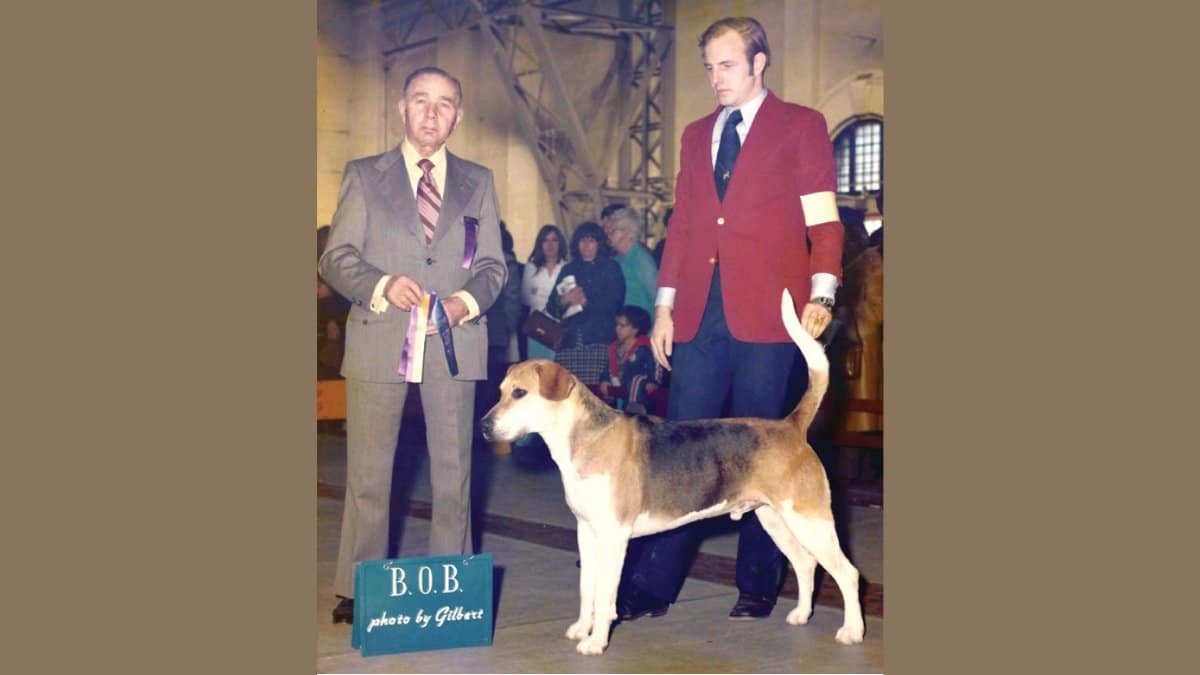
Many ads will feature photos of potential quarry. Not misleading, of course, but the inference is there. In my own breed, foxhounds, folks will don hunting attire not realizing that scarlet coats, top boots, and colors are only awarded for meritorious service to the hunt and/or being a professional, paid hunt servant. No problem at all… if both you and the hound have earned it. That was the first mistake I made when I began showing hounds. It was quickly corrected.
Now, we’re all for advertising. If you’ve got a good dog and you’re proud of it, you can and should let the world know. Maybe you’re advertising breeding stock. Maybe you’re promoting your kennel. Maybe you’re just bragging about a great win. No problems there. But take your time, do your homework, and make sure your ad does your dog justice. Jane Forsyth’s business card read: “Dogs shown to their best advantage.” That’s always stuck with me.
So, here’s the takeaway. You’ve already bought into the “purposefully bred” approach. Take it one step further and allow your dog to participate in one of the many performance sports, hunt trials, and other job-related events provided by AKC and many other organizations. If your dog succeeds, brag about it! You’re entitled. But keep your ads on point and truthful in every respect. A good ad can do a lot of good in so many ways, and one that attempts to create a false impression has the opposite effect. Be sure your ad follows the Forsyth mantra: Dogs (advertised) to their best advantage.