The Genetics of Athletic Success
Dogs are the most physically varied species on earth, having been selected for specific functions—you’ve surely heard the adage “form follows function.”
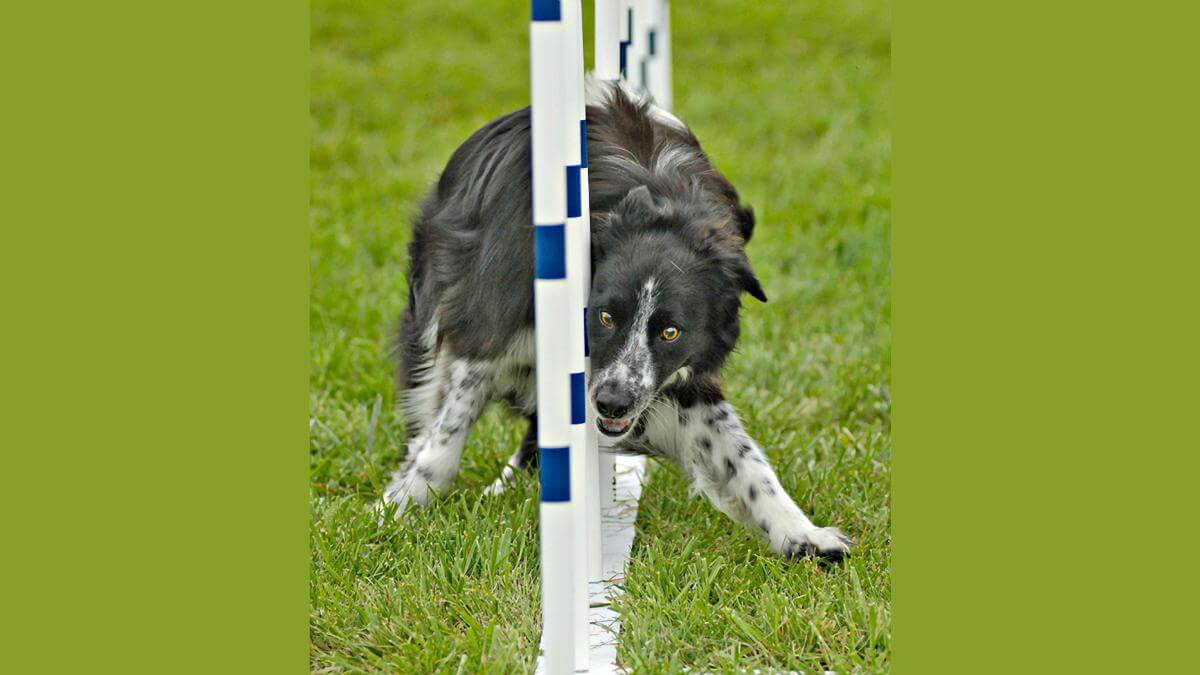
In the last 20 years, there has been a huge increase in the number of dogs participating in Performance events. For example, every year there are millions of entries in Agility in the US alone. But this fun sport is not limited to North America. There are several world-level competitions held every year with dozens of countries competing. With increasing local, regional, national, and international competitions, there has inevitably been an increase in breeding dogs specifically for aptitude in the sport. Interestingly, and perhaps not surprisingly, there is now scientific evidence for the existence of specific genes that contribute to muscular, cardiovascular, and neurological processes important for performance. Here is one such study.
Dr. Elaine Ostrander and colleagues compared whole-genome sequence data between sport-hunting and terrier breeds, groups at the ends of a continuum in both form and function, as well as a number of other breeds of dogs. The goal of the study was to determine which genes might underlie functions that are important for athletic ability.
They identified five genes/gene groups involved in performance and behavior.
1. A total of 59 genes were strongly selected for in sport-hunting breeds (spaniels, setters, and pointers; retrievers were not examined). These genes are responsible for muscle, cardiovascular, and neurological functions, which play such an important role in athleticism.
They included the following (roles of the genes are in parentheses):
- RYR3 (skeletal muscle contraction)
- ABLIM3 & CDH15 (muscle development)
- ASIC3 (fatigue-enhanced muscle pain)
- TRPM3 (vascular muscle contraction)
- UTRN (muscular dystrophy)
- ADRB1 & GRk4 (heart rate and hypertension)
- ROBO1 & RIMS1 (neurological development)
- KCNQ5 & CDH15 (neurological development)
2. Sport-hunting dogs had a higher level of mutations in the genes CDH23 and MSRB3 as compared to terriers. Mutations of these genes are linked to sensory impairment, and sport-hunting dogs are considered to be a less noise-sensitive group (because of the need to ignore gun shots) than terriers.
3. An examination of over 1,000 Agility dogs representing over 100 breeds showed that a specific allele of the ROBO1 gene was associated with greater success in USDAA (United States Dog Agility Association, Inc.) Agility. ROBO1 encodes a brain protein that guides axons during development, and variations in this gene may result in variable cognitive plasticity. It may affect the ability to identify and acquire environmental information so that task-specific responses can be executed during the sport of Agility.
4. An allele of TRPM3 (which functions in vascular smooth muscle contraction) was significantly associated with increased racing speed in Whippets (but not Greyhounds), accounting for 11.6% of the total variance in racing performance.
5. The gene RSPO2, which previously had been shown to be associated with furnishings (mustache and eyebrows) was selected for in terriers, as were the SHANK2 and OXR1 genes, which are involved in hyperactivity and panic responses.
This study provides strong evidence that various breeds of dogs have been selected for improved endurance, cardiac function, blood flow, and cognitive performance, which can affect athletic ability.
What relevance does this study have to you? Well, this study suggests that if you are interested in success in athletic competition, you will tip the balance in your favor if you select your next teammate from lines of dogs that have been bred specifically for success in those competitions. In addition, it might be important to select puppies with parents that have been successful in the specific types of Performance events in which you are interested in competing. Perhaps one day, breeding dogs will be tested for numerous specific genes involved in athletic performance.
As we learn more about the genetics of dogs, will we eventually identify “the champion genome?”