
Home » The Myth of “Fairness” in Conformation Dog Shows
At nearly every dog show, the same questions circulate quietly at ringside.
Are judges judging the dogs or the people behind them? Particularly in NOHS, where the word “Handled,” referring to the dog, is bastardized into “Handler,” which refers, of course, to the handler, one wonders exactly which one is to be judged, the dog or the handler? If this isn’t clear to judges and exhibitors, how can the dog show world understand the central question of fairness? Moreover, are exhibitors working the system or simply showing their dogs? These questions reveal something important: fairness is a constant thread discussed in our sport, but it is rarely defined.
“What is the purpose of the AKC National Owner-Handled Series?
To recognize and showcase the quality dogs being exhibited by owner/handlers and to provide a venue for the owner/handlers to compete against their peers. The determination of the awards in the AKC National Owner-Handled Series is based solely on the quality of the entry. The owner/handler’s handling ability is not of consideration.”
We all know the uncomfortable truth: some handlers, owners, or professionals can walk into the ring with what amounts to a stuffed animal on the end of the lead and still win.
When that happens, the message sent to breeders is clear: quality is optional. And when quality becomes optional, participation becomes negotiable.
Some issues deserve serious discussion and possible proposals:
When thoughtful, informed people propose change without whining or promoting conspiracy theories, and show up with a whole leadership mindset, real progress is possible.
Judges don’t wake up one morning and decide to hand out ribbons.
Before awarding a single point, a judge must meet extensive requirements in breeding, showing specials, seminars, tests, and judging observations. An AKC Executive Field Representative evaluates placements, procedures, consistency, and adherence to the Rules. The system is not perfect, but it is structured. Only after that process is a judge eligible to apply for Regular Status, and that application is analyzed closely.
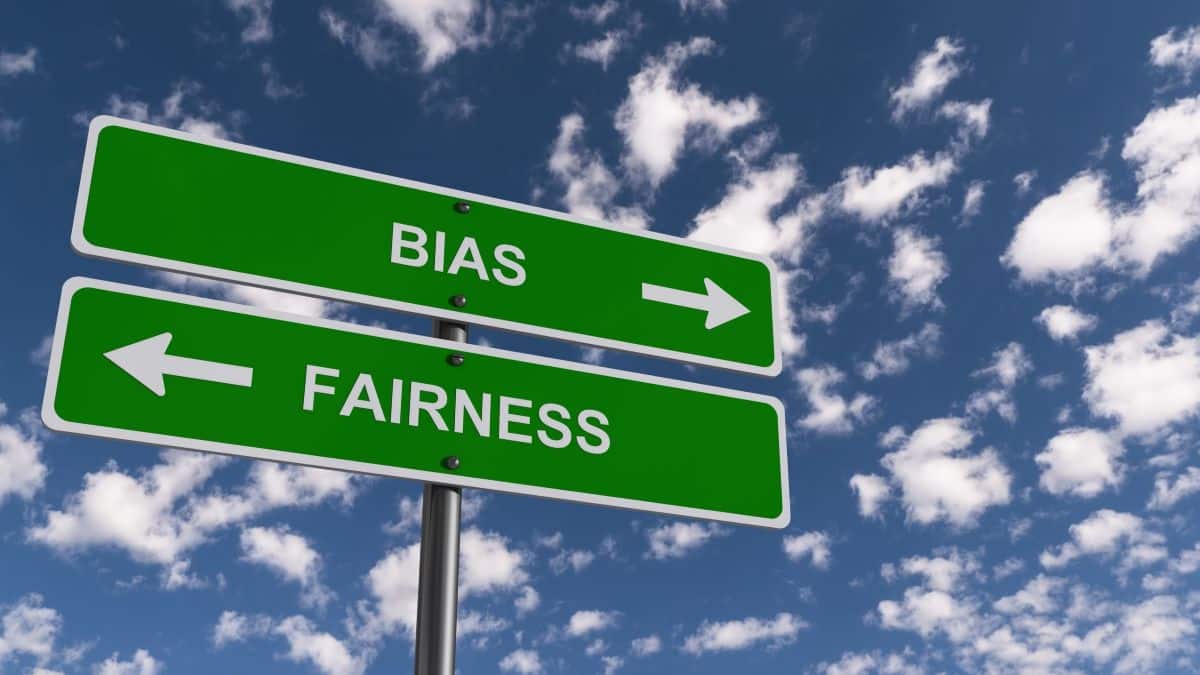
Judges also carry another responsibility that matters deeply to breeders: evaluating quality within the entry. However, unconscious bias exists. That is not an accusation; it is reality. Bias is a word nobody likes, but everybody has at least one. Judging is done by humans who bring past experiences, history, and preferences to their role, whether they acknowledge it or not.
The antidote is discipline, ongoing education, self-evaluation, accountability through observation, and applying the same breed-specific examination to every dog, initially. After that, the judge must narrow the field. That isn’t favoritism. It’s the job.
Under the AKC Rules, judges may show their own dogs. Period. It is within the Rules and is therefore “fair.” However, there is much debate about this practice, especially among owner handlers who have experienced the devastation of losing points, the Breed, or a Group placement behind a judge.
Think of it like this. The judge has decades of experience preparing dogs for the ring, conditioning, grooming, and presentation. Often, an owner handler will not have that level of expertise.
The American Kennel Club (AKC) Code of Sportsmanship and Civility references fairness at dog shows. At Dog Show Mentor, our Core Values were developed over a period of nearly ten years by the members themselves. They are excellence, community, kindness, respect, grit, and remember to have fun with your dog and make sure your dog has fun with you.
You’ll notice something is missing. We don’t list fairness as a core value. That isn’t an oversight. It’s intentional.
Conformation dog shows aren’t inherently fair, yet they operate within defined boundaries. Fairness isn’t absolute; it’s shaped by perspective. Exhibitors must define it for themselves while understanding how judges apply it, and that comes from knowing the system and learning how to work within its structure.
Unlike timed sports, there is no stopwatch in Conformation. There’s no instant replay. Things happen fast. Dogs move. Handlers make mistakes. Judges blink. Fairness doesn’t come from perfection. It comes from consistency.
The job is singular: to interpret the Breed Standard and apply it consistently to the dogs presented in the ring that day. Does the dog move correctly? Does its structure, balance, and overall picture align with the written Standard? Is it in condition?
After one particularly important assignment, some exhibitors criticized me for making awards that were fully allowed under the Rules. This is precisely why understanding them matters. I was able to defend my actions because I knew the Rules. If I hadn’t understood the AKC framework, I wouldn’t have been able to do so.
Rules Are the Backbone of Fairness. If you don’t know the Rules, you don’t know whether you’re receiving equitable treatment. That’s not harsh, but it is reality. Many complaints are rooted in misinformation.
You can’t claim unfairness if you don’t understand the framework. In Conformation, the judge’s job is not to judge people, relationships, advertisements, reputations, or past success. Subjective does not mean arbitrary, and it certainly doesn’t mean chaotic or assumptive.
If you walk into my ring and I know you’ve shown good dogs in the past, that doesn’t earn you an automatic pass. What it earns you is my attention. It means I should take a closer look at the dog on the end of the lead, nothing more and nothing less. Each dog is judged on the day and against the Standard. Reputation may prompt observation, but it must never replace evaluation. Fairness requires that the dog standing before the judge at that moment is the singular focus of the judge.
The Breed Standard defines the concept of fairness in Conformation. Judges are required to judge the dog as written. They are not to invent preferences, require virtues that are not in the Standard, or penalize traits that the Standard does not address.
These are the Rules of the game. When judges judge to the Standard, exhibitors know how to prepare. When exhibitors show dogs to the Standard, judges can evaluate consistently. That shared contract is what makes fairness possible in a subjective sport. When judges consistently reward dogs that don’t closely meet the Standard, breeders and exhibitors notice, and trust begins to erode.
The best dog in the ring should win. Period.
Once we understand fairness as a process, we can talk honestly about structure.
In certain Groups, Toys and Terriers in particular, owner handlers face a built-in disadvantage. Not because judges dislike them, but because:
I watched several breeds in Orlando where the dog awarded Breed was not the best dog in the ring, in my opinion. Breeders and owners saw it. They talked about it. And they quietly made decisions.
They are tired of the expense and the travel, and coming to the party only to feel kicked in the teeth when judges overlook the best quality. In one Terrier breed alone, entries were down by nearly 50 percent. That is not a coincidence. That is cause and effect. When exhibitors believe quality no longer matters, they stop showing. And when breeders stop showing, the sport loses its backbone.
Optics matter.
Although NOHS is still a Special Attraction, AKC Rules dictate that NOHS rings should approximate the size of the regular Group rings. In addition, clubs are encouraged to give similar rosettes and prizes to both Groups. However, the NOHS winners at the AKC Championship Show received very similar rosettes to those at any regular show. There were no special streamer rosettes like the regular Group winners. There is often minimal recognition for extraordinary effort for exhibitors who are not full-time professional handlers. At the 2025 AKC National Championship show, the Best in Show Owner-Handled dog received a $1,000 check, versus a $50,000 check in the big ring. This comparison stings.
Recognition matters, and it begins with the exhibitor. Preparing dogs to the same written Standard is the shared agreement that allows a subjective sport to function with integrity. The rules are the rules, and your power lies in knowing them down cold. When the system falls short, you either disengage or you learn how to work within it and protect your interests.
You cannot control external variables like judges, competition, advertising, or travel advantages. What is within your control carries far more weight than most exhibitors realize.
Practice real sportsmanship.
Invest in your education.
Keep perspective.
Fairness isn’t handed to you the moment you get a show dog; it’s earned through preparation, professionalism, and a clear understanding of how the system actually works.