Members
An in-depth look at Terrier anatomy, focusing on the importance of the long, level croup for function, balance, and type.
The Weekly Brief
The best of SHOWSIGHT editorials, weekly wins, and breeder commentary — delivered to your inbox every Sunday morning.
This is the first of three articles on anatomic theory, applicable to many breeds, which will limit itself to Terriers, a Group uniquely rich in types, from toy to molossoid, yet genetically interconnected. Limiting myself in this way, I can make more relevant comparisons. It also refers to FCI Groups and Breed Standards, since this umbrella entity covers most of the earth by membership or association, and rigorously uses Standards from the country of origin; perhaps we can say, original documents? Hopefully the readers will all find a juicy bone of contention in the material—a sign of a healthy scientific atmosphere.
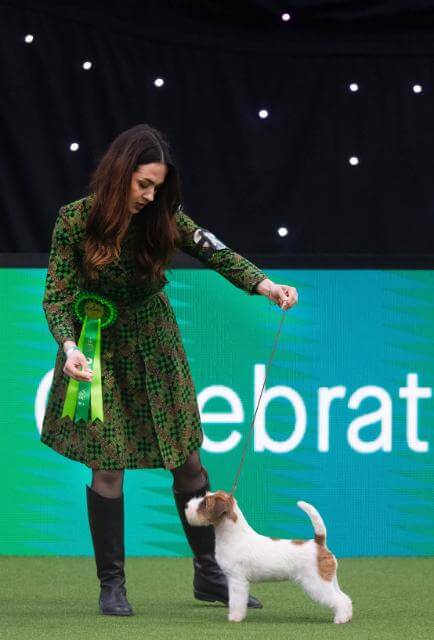
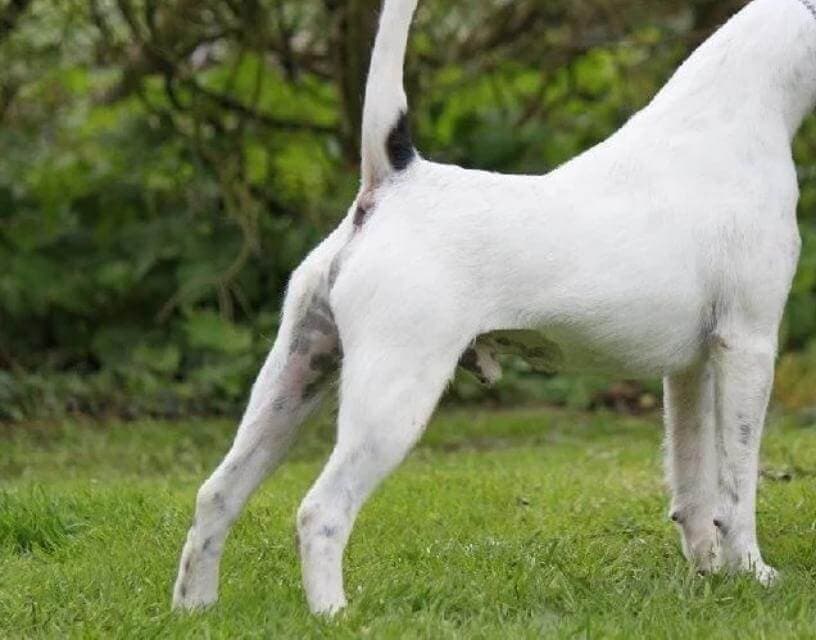
June 2025 Europe saw the Interra show (short for International Terrier Association) held this year at the large Nitra Dog cluster in Slovenia. This event gathers together a large panel of specialist judges which draws serious Terrier kennels to attend with their best dogs. The Supreme Best in Show1 this year was Totgree’s Hannabell, a Jack Russell Terrier with a string of titles from here to eternity, including 2024: Best of Breed at The Westminster Kennel Club Dog Show, Best of Breed and Group at Crufts; and 2025: Best in Show at National Terrier. This little bitch, among her many and manifest virtues, possesses one characteristic that is undervalued by many breeders, and occasionally, some judges—a long, level2 croup.
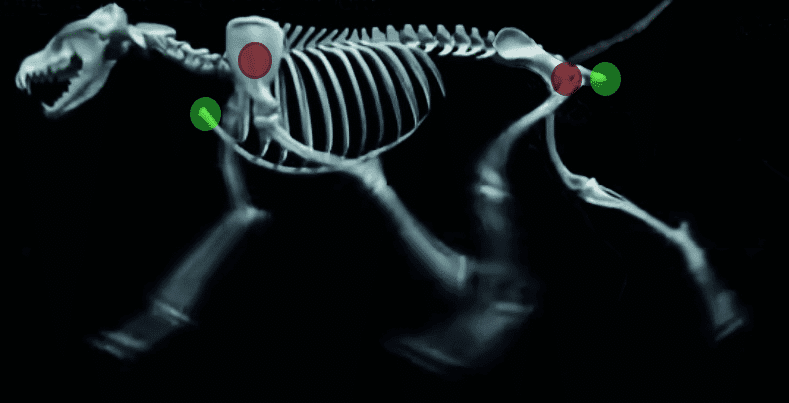
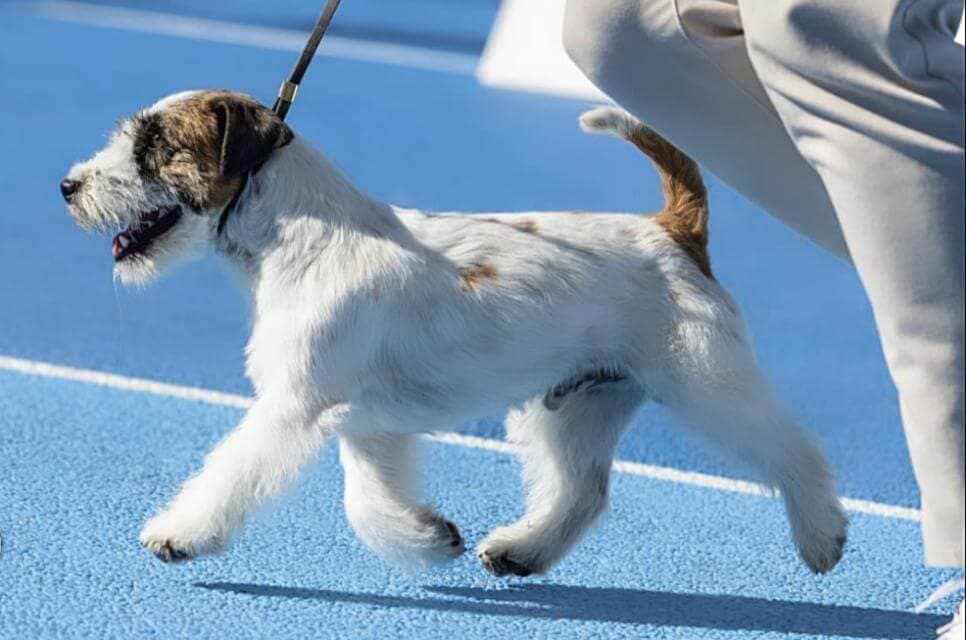
The croup is a region of the dog that includes two skeletal groups: the pelvis (appendicular) and the sacrum (axial). The pelvis, a single term representing the union of three pairs of bones—ilium, ischium and pubic—carries two important reference points of kinetic theory; the major rear pivot point and the major rear anchor point.
The pivot point (red in the image below left) is located at the acetabulum, and the vertical line of this point represents the center of forward and rear excursion of the pelvic limb. The major rear anchor point is located along the ischiatic tuberosity (green in the image), which creates the ischial table or point of buttocks3. This is where the major muscles pulling the pelvic limb are anchored. The longer it is, the longer the muscles can be thus the stronger the pull to create ample strides with good drive.
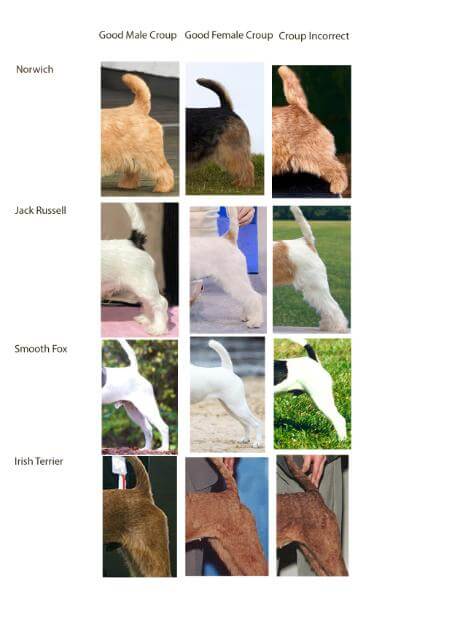
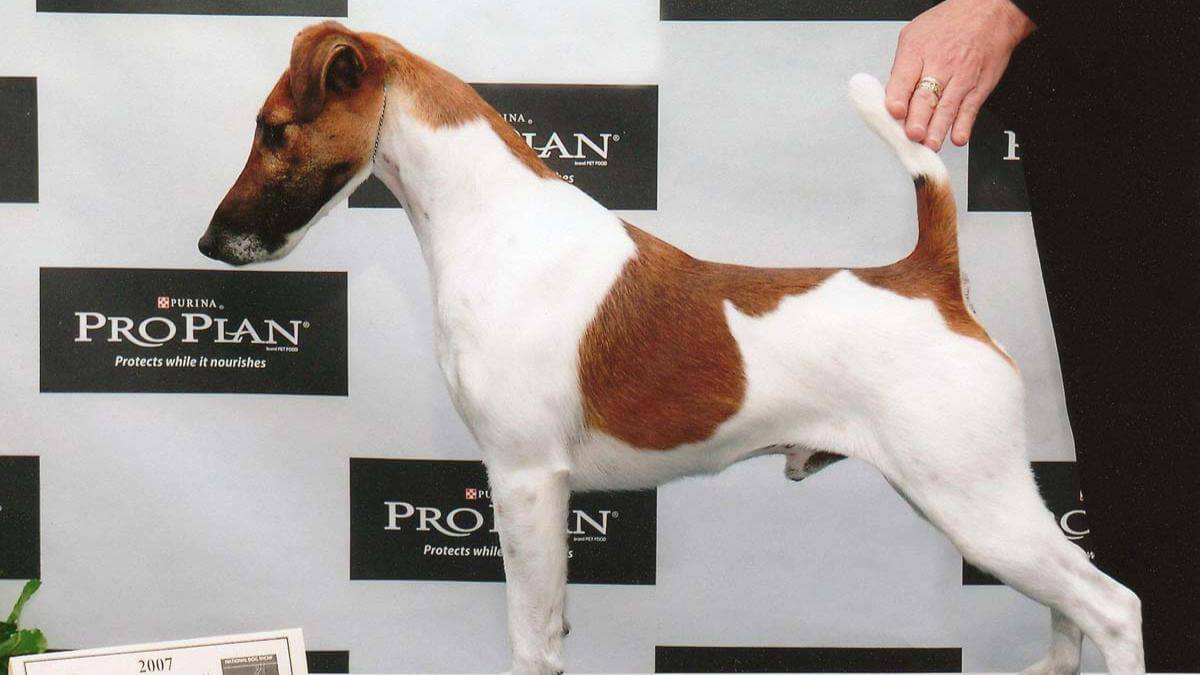
For some reason, the long, level croup is more apparent in males than in females. While males with correct morphology present a croup that is defined and protrudes visibly, (sometimes it seems as though you really could set something on the ischiatic table), females with a long croup are merely full and rounded. Importantly, you can feel the two tips of the ischial bones pushing outward immediately under the skin on a good female croup.
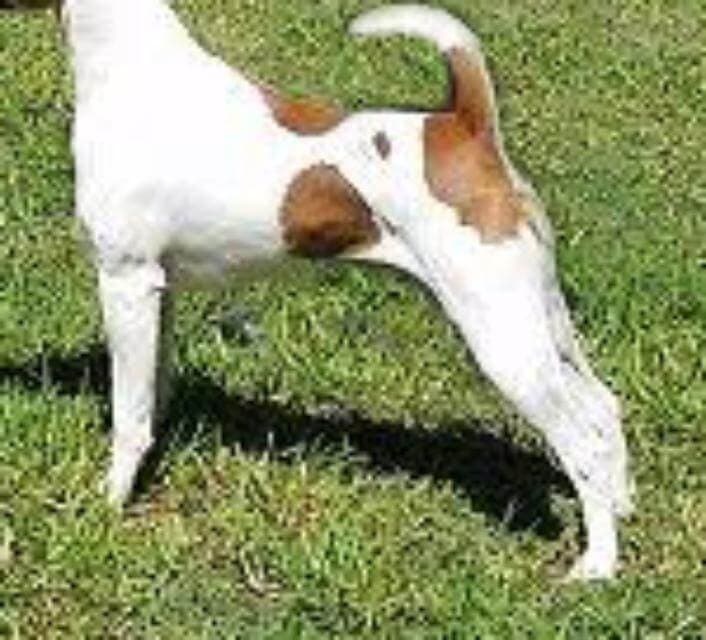
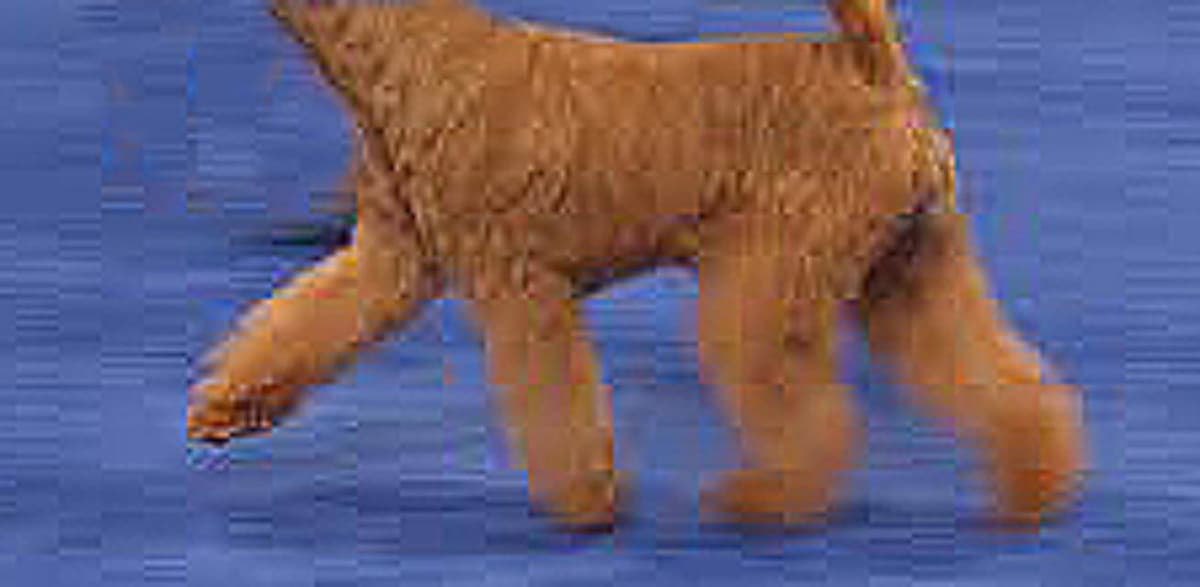
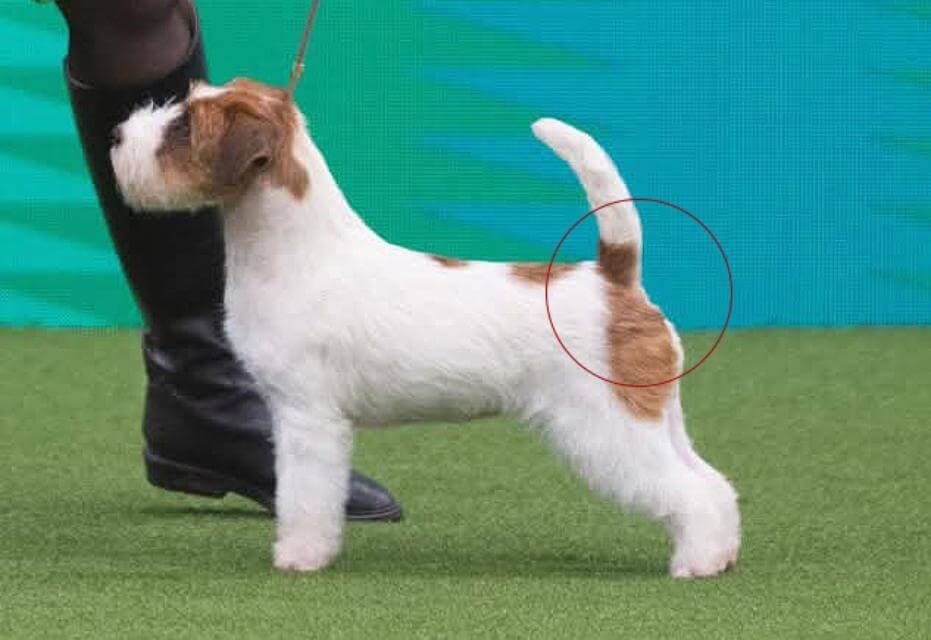
The third column above shows some Terrier breeds with suboptimal croups. Many things can go wrong with a croup; the length, the slope, or both can be off, and finally, the tail set (coccygeal vertebrae) can become involved. The tail is a separate region and is evaluated for set, length, shape4 and carriage5, but a sloping croup can bring the set downwards.
In these cases, if the tail is carried in a forward or vertical direction, it may cause tissue in front of the set to bunch up in a little cushion when the tail springs upward (see image of the Airedale Terrier below left). Well-set tails always have a “U” curve in front, never a tightly closed “V” or a cushion. Even at a distance, the short, sloping croup causes the rear of the dog to appear to be sliding away. The body is held upright by the thoracic limb and then the rear descends like a child’s slide at the playground, ending in a foot shoring up the avalanche.
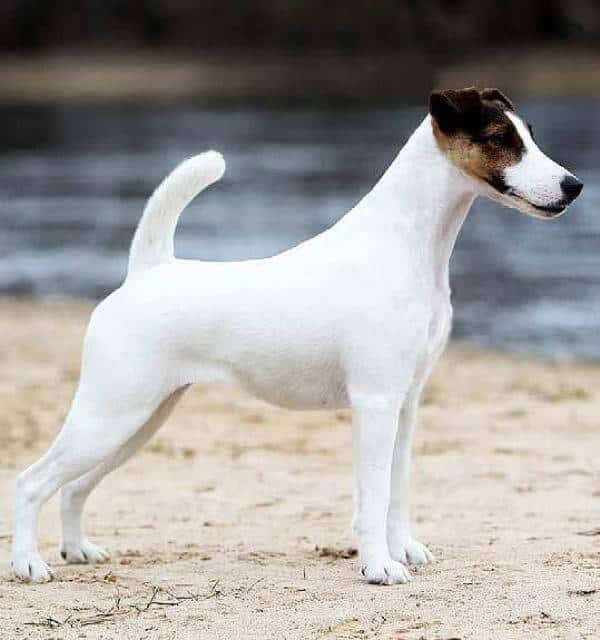
The Terrier Group is where we find most of the croups described as level or horizontal6. The long croup is a universal virtue applied to all breeds, since it favors ergonomic movement. A horizontal croup is a breed-specific (relative) virtue, applicable only when the Breed Standard directly or indirectly expresses the desirability of this structure with indications such as: level croup, horizontal croup, or even just by saying tail set high, tail carried erect or gaily; impossible without a level croup.
When evaluating a croup, it is true that our whole opinion cannot rest on one single element (fault judging), but this important group uniting the axial and appendicular structures is no small consideration. A short or overly sloping croup that is only slight should be double-checked in profile standing, and while gaiting. If the limitation disturbs balance in profile or in movement, top honors cannot be awarded.
The advantages of a long, level croup are not only functional but also aesthetic since it confers on the dog that precious quality of balance. When the anterior anchor point of the manubrium is also well developed, we have a ship with both fore and aft, which is both efficient and pleasing.
Endnotes:
1 Of the five shows held over the weekend:
• 06/13/2025 • International Dog Show • Crystal Trophy 2025 & Crystal Trophy for Slovak National Breeds.
• 06/13/2025 • InTerra • World Terrier Show 2025
• 06/14/2025 • International Dog Show • Grand Prix Slovakia Winner Show 2025
• 06/15/2025 • International Dog Show • Derby Winner Show 2025.
2 A level croup slopes from 15 to 25 degrees from the horizontal plane.
3 These two points are mirrored in the front assembly by the pivot point in the center of the scapula and the anchor point at the manubrium, also called the prosternum.
4 Straight or curled
5 Upright like a candle, straight off the topline, or drooping, etc.
6 There are a few exceptions, notably, the English Toy Terrier (FCI Group 3) and the Bedlington Terrier, which are both gallopers.

Terrier Group