Members
A heartfelt reflection on the profound grief, guilt, and resilience breeders face after losing a beloved brood bitch.
The Weekly Brief
The best of SHOWSIGHT editorials, weekly wins, and breeder commentary — delivered to your inbox every Sunday morning.
The loss of a pet, a brood bitch especially, is almost unfathomable, and yet we know it happens. We know it could happen every time. Sixty days into the pregnancy, all is great, but for the experienced breeder, the next five days put you on high alert and with high anxiety. When the unimaginable happens, the shock is excruciatingly painful. The loss of life is incalculable—of a litter and their mother, of your immediate breeding future, and most importantly, of your companion.
Tragedy and loss are unspoken side effects of dog breeding. The loss of a litter or the death of a mother on a c-section table are profound losses to the trajectory of a kennel. There’s also the emotional toll that goes along with this and the guilt of knowing that the dam didn’t sign up for becoming a mother. That was your plan. As breeders, we put our dogs through motherhood with the best of intentions and the best medical care, and yet tragedy can strike. And when it happens, breeders often take that loss internally and have to rationalize what happened. Was it a vet error or something undefined? A genetic something that came through? Oftentimes, you may never know for sure.
As breeders, we have to work through these questions as well as all the other emotions in the process of grieving for an integral member of our family of dogs—one who was also a dear friend. Our dogs are our friends, and we are close to them on a companion level, which makes them especially difficult to lose. I have learned as a seasoned breeder that the longer a breeder is active in breeding, those losses become more challenging because we know so much more about what can go wrong.
The reason for writing about this topic came to me after losing a bitch in whelp that was a good, good friend; an animal that I adored. The loss was hard—tragic, really—and I miss her terribly. I’ve asked myself, “Why couldn’t I have done things differently?” and I’ve thought, “If I could just go back a few hours or days to make a change…” For the dog breeder, this kind of profound loss is so multi-faceted because you miss the companionship, you miss the interaction, you miss the relationship you’d developed, and now you’re also trying to adjust to the gap in the pedigree that it creates. That dog often represents access to the future and access to the past, because they carry traits you’re trying to keep. Yet now there’s a dead end, literally. It’s very hard to mentally absorb this type of loss because you’re really working through the loss of multiple possibilities. There’s the loss of a companion dog and the great experiences shared with the animal, and then there’s the loss of all of the future you had hoped would be realized from that dog. It’s a profound loss, both emotionally and genetically, and the genetic loss can be catastrophic.
So, how do you handle the grief? Well, what happened for me is that it took several days to compartmentalize what happened, but it was a struggle. Of course, I did have joy in those days of the memories and the good times we’d had (and I got stronger through that), but the breeder side of me—the business side—was figuring out how to not let it happen again. What could have been done differently? What did we miss? What did we do wrong? And most importantly, what do we put in place so that it never happens again? Because although it doesn’t happen often, when things do go wrong, you always run down that check list of changes (of should have, would have, could have) as you start to solve your breeder’s jigsaw puzzle; how do you recreate the loss genetically and move forward now that the chain is broken and a link is gone? Personally, we don’t do a lot of repeat breeding, so the end of the road is the end. It is an extinction of that combination. It’s gone.
The other side of the grief, the emotional side, finds the breeder melting in a pool of sorrow, under a blanket, in a hot shower dissolving; moments away from everyone and everything, where we can let go and let the sadness come in and take over for a minute or two. These are important times for breeders to pay respect to the situation, and show respect for life in general; to deal with the facts, and hopefully, shed some of the guilt so that you can pull it together mentally, put yourself back together physically, and regroup—to get back to the others who need you.
In many ways, however, the sport of dogs is really a solo sport, and so, any loss is personal. In some ways, breeders are selfish in that we plan this genetic path using living vessels as our medium. We have to use them; they are the product we use to produce the plan that we have on paper to bring the Breed Standards to life. And so, that’s where our role as breeders gets sort of awkward… our dogs don’t have a choice here and we don’t know if something is going wrong because they can’t tell us that they don’t feel well. We don’t know that they have an underlying health problem or that there’s a cancerous tumor in the uterine horn. We don’t know what’s going on in their bodies because they don’t act like they’re sick. We don’t know that they’re ill—and they may not be sick at all. Pregnancies are fragile and they can go bad quickly.
Yet breeders, by definition, are tough and we are up to the challenges. We’re strong and we rebound, and we have the ability to pivot and change course, and recover with each and every litter—and learn, move on, keep going, and change as required. These qualities are essential to breeders. At the end of the day, it’s working through the emotional scarring that is the hardest part of dealing with a loss, because of the investment of time and the strong bond that we share with our animals. I don’t consider my dogs as my children, but they are vitally important to my life. They bring joy to me and to the people who want them. So, the bottom line is, yes, it’s all worth the effort.
I’m sure everyone who reads this article has similar connections with the dogs in their lives, and that connection is so personal and so intimate. You share so much space with your dogs and they “get you.” They understand you more than people do because you share everything with them. They are there when you’re sneaking the chocolate ice cream out of the freezer. They are there when you’re going to the bathroom. They are there watching you take a bath, and they’re there when you’re crying about your inability to make sense of a disastrous loss. And they are there to share your joy when you come home in the afternoon. Their reaction to your return is not like that of a spouse or a child… their overwhelming joy to have you back is so much greater than any one person’s reaction could be. It’s just incredible, and it happens over and over and over again. Their gift of love for you is so intense, so over the top that it can hardly be described and is certainly unmatched by any adult human being.
Our dogs are our family, and we can’t experience the immense joy they bring to our lives without accepting the occasional tragedy and the inevitable loss. Those emotions “yin and yang” together. Life is, after all, a balance of emotions. Yet we are all better for having dogs in our lives. So, respectfully mourn the loss of a beloved family member and gleefully celebrate the daily affirmation they’ve afforded you. Be sure to continue to give back to them just as they always gave to you. I am grateful for the time I have had with my family of dogs, I only wish there was more of it.

Breed Conservation
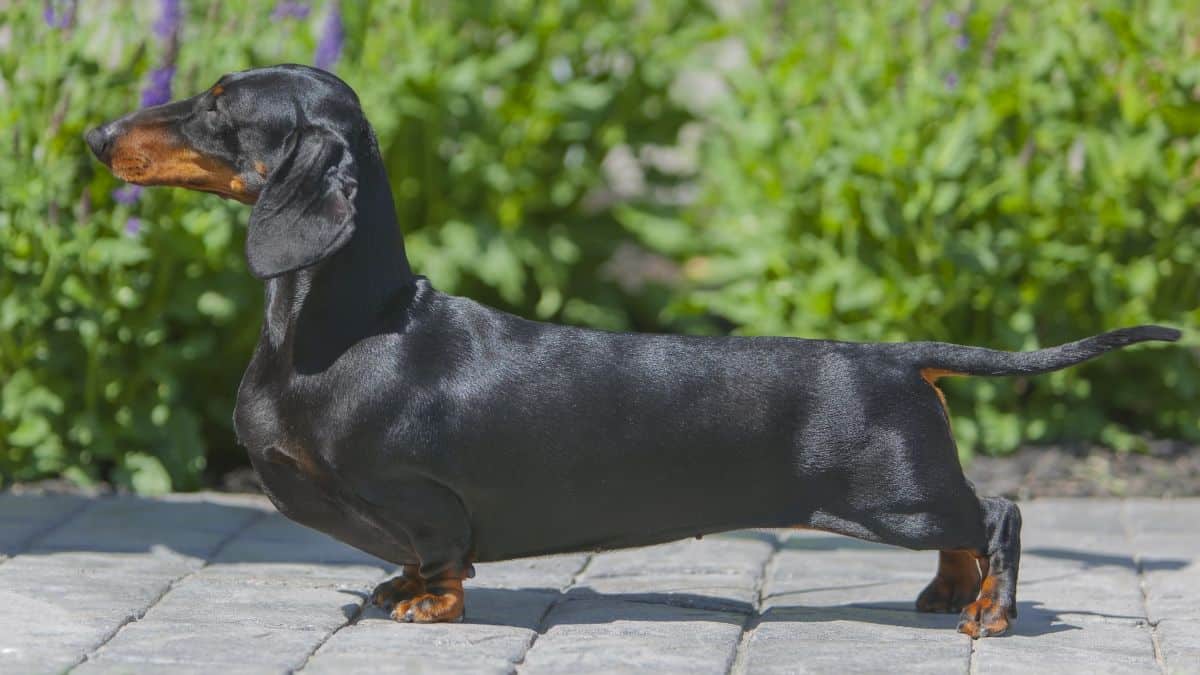
Using the Dachshund as a case study, Lexa Richmond explores how breeding decisions, mentorship, and education shape breed preservation.