Members
Rare dog breeds are vanishing. Learn why preserving breed diversity matters—and how every dog lover can help protect their future.
The Weekly Brief
The best of SHOWSIGHT editorials, weekly wins, and breeder commentary — delivered to your inbox every Sunday morning.
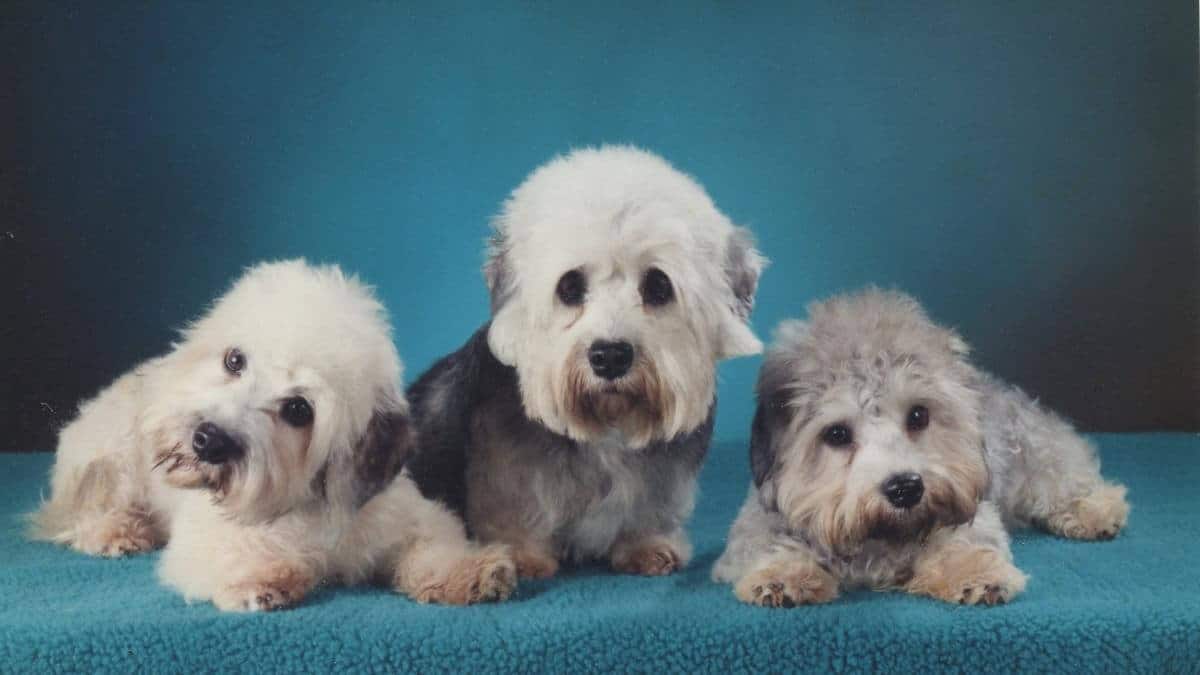
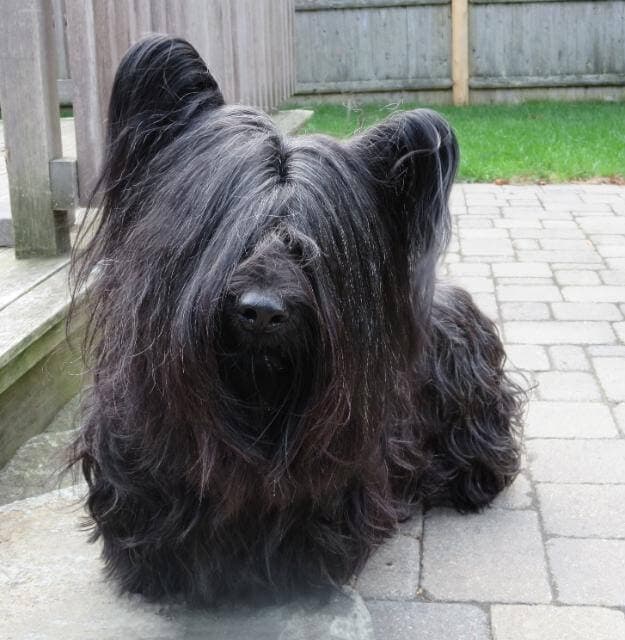
You may have never heard of the Otterhound or the Skye Terrier. Maybe you’ve never seen a Dandie Dinmont Terrier trotting down the street or met a Sussex Spaniel at the dog park. But these rare breeds, and many others, are quietly at risk of disappearing. And what’s at stake isn’t just dog show entries. It’s the very future of dogs as we know them.
Many people assume that if a dog breed isn’t common, it must mean it wasn’t popular for a reason. But in reality, popularity often has nothing to do with suitability. Breeds fall out of favor for all kinds of reasons: changes in lifestyle, the rise of apartment living, social media trends, anti-dog ownership legislation cloaked as animal rights laws, or simply because there aren’t enough Preservation Breeders left to carry them forward.
When these breeds vanish, we don’t just lose variety. We lose important genetic traits that might one day help to solve health problems in more familiar dogs—and in people too. We lose dogs specifically designed to work alongside humans in meaningful ways. And we lose pieces of living history.
A gene pool is the collection of genetic material in a breed. The larger and more diverse it is, the healthier that breed can remain over time. A strong gene pool helps to prevent inherited diseases, improves fertility, and supports overall vitality.
But when there are only a few dogs left to breed, the gene pool shrinks. Health issues can become more common. Litters become harder to produce. Eventually, a breed reaches a point of no return, even if a few dogs are still alive.
The American Kennel Club (AKC) tracks registrations across more than 200 recognized breeds. In 2023 and 2024, the French Bulldog topped the list, while others like the Norwegian Lundehund, Sloughi, and English Foxhound ranked near the bottom with only a few hundred dogs registered in the entire country.
When we lose a breed, we lose more than a “type” of dog. We lose purpose, personality, and heritage.
Take the Saluki, a breed developed in the Middle East to hunt across deserts at high speeds. Or the Glen of Imaal Terrier, a tough little dog from Ireland bred to work silently underground and uniquely in the kitchen. These aren’t just quirky facts. They are expressions of how humans and dogs have evolved together.
Each breed was shaped to serve a role. Some guard livestock. Others hunt game, pull sleds, or offer companionship. The dogs that fulfill these roles have very specific temperaments, instincts, and health profiles. When breeds disappear, those traits disappear too.
Of course, mixed-breed dogs absolutely deserve our love and a happy home, but that doesn’t mean we should let purpose-bred dogs fade away forever. Many of the most robust health studies we have, like those published through the Orthopedic Foundation for Animals (OFA) or canine genome research, come from breeders who are committed to tracking traits across generations.
A long-term study, Prevalence of inherited disorders among mixed-breed and purebred dogs: 27,254 cases (1995-2010), examined the likelihood of 24 common hereditary diseases. Despite widespread claims that purebred dogs are more prone to genetic conditions, the findings showed no greater concentration of these diseases in purebreds compared to mixed breeds.

Just because a breed is popular doesn’t mean it’s genetically secure. In fact, overbreeding to meet sudden demand can be dangerous. When a breed goes viral, like the French Bulldog has, it attracts puppy mills and irresponsible sellers who prioritize quantity (and profit) over quality. Health testing, responsible placement, and breed education typically fall by the wayside.
On the flip side, less flashy breeds with loyal followings, like the Field Spaniel or Irish Red and White Setter, can struggle to find homes, even when bred thoughtfully. Their breeders may wait months to place puppies. Eventually, some will stop breeding altogether, and an entire family within the breed disappears.
Most dog breeds rely on small groups of dedicated Preservation Breeders who care deeply about preserving their dogs’ structure, temperament, and health. But these breeders face mounting obstacles.
If Preservation Breeding becomes impossible or unpopular, entire breeds are likely to vanish in our lifetimes.
You don’t have to be a breeder to make a difference. Here’s how you can help to preserve breed diversity:

Every dog breed tells a story. When a breed disappears, that story ends, not just for Conformation shows like The Westminster Kennel Club Dog Show, and Performance sports like Agility and Fast CAT, but for everyone who loves dogs and wants to see them thrive for generations to come. You don’t have to be a breeder to care. You just have to love dogs.
Because the future of all dogs depends on all of us.

Breeding with Intention