Members
Interview With Christine Womack, Breeder of Ichigo Japanese Akitainu Kennels 1. Please tell us a little bit about yourself. Where do you live? How many years in dogs? How many years as a breeder? What is your kennel name? Christine Womack: We live in Western New York State and have been involved with dogs—specifically the […]

The Weekly Brief
The best of SHOWSIGHT editorials, weekly wins, and breeder commentary — delivered to your inbox every Sunday morning.
Christine Womack: We live in Western New York State and have been involved with dogs—specifically the Japanese Akitainu—for over 10 years.
We have been preservation breeders for five years, basing our breeding decisions on health, correct structure, and breed type.
We are dedicated members of the parent clubs in the AKC (Japanese Akitainu Club of America), the UKC (Japanese Akitainu Club USA), and the Akitainu Hozonkai. Our kennel is Ichigo Japanese Akitainu Kennels.
Christine Womack: The breed hallmarks are essence and expression, head, color, tail, balance in structure; basically the total package that makes for correct type according to the Breed Standard. To deviate from the country of origin’s Standard and type has resulted in a breed split in the past, so even though we may be new-ish breeders, we understand the importance of maintaining breed type. The clubs we belong to emphasize the teachings of AKIHO, which is the first Akitainu preservation society in Japan. Our North American AKIHO branch was the first overseas branch and was established in 1970. With this sort of legacy, we take our commitment to maintain breed type seriously.
Maintaining these hallmarks ensures the breed remains true to its development in the country of origin.
Christine Womack: We are selective, so it is often a struggle to secure qualified applicants to ensure that each puppy can be placed safely and responsibly. This year, we have managed to find excellent homes for our litter.
Because the Japanese Akitainu is considered a somewhat rare and unique breed in the US, we take great care to match each puppy with the right home that understands the breed’s needs and temperament. Our puppies stay with us until we find the right homes.
Christine Womack: We use the health and genetic testing available (such as hips, eyes, patella, thyroid, amelogenesis imperfecta, color, diversity) which enables us to make informed decisions for our breeding program.
We actively connect with AKIHO breeders in Japan, Europe, and North America to exchange knowledge, mentorship, and best practices to align with the Breed Standard.
We utilize modern communication platforms such as our kennel website, social media (Facebook, TikTok, Instagram), and WhatsApp to showcase our program and reach like-minded breeders and enthusiasts. Furthermore, we use such platforms to stay in touch with, and make ourselves available to, our puppy owners so that they always feel supported.
In terms of puppy development, we use Avidog and Puppy Culture programs to promote health, structure, and socialization from an early age.
Christine Womack: Yes, there is a growing awareness and distinction between preservation breeders—who breed purposefully, rarely, and ethically—and high-volume or designer breeders who focus on profit or fad aesthetics for profit.
Today’s show breeders face increasing pressure to demonstrate education, transparency, and responsibility, not just the ability to produce champions. This shift has elevated the importance of preservation ethics, particularly for traditional and culturally significant breeds like the Japanese Akitainu.
Christine Womack: We’ve observed a strong resurgence in owner-handled competitions and a focus on smaller, community-oriented show venues.
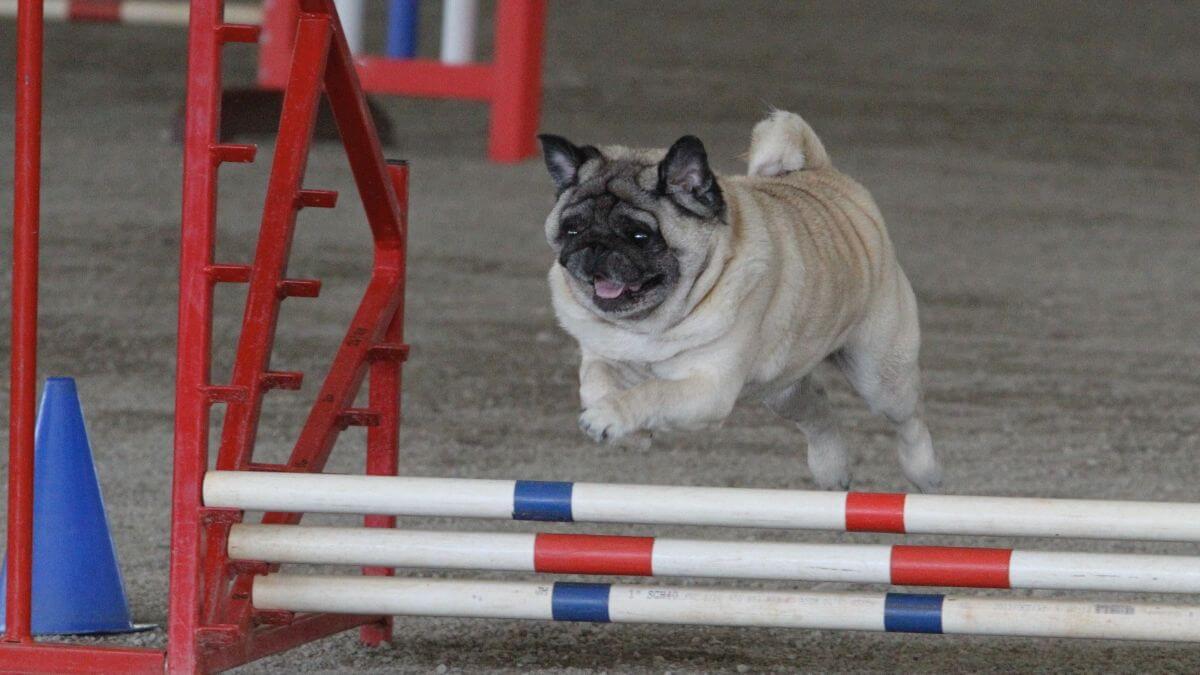
There’s also a positive trend of expanding breed participation into other sports, such as Barn Hunt, Nose Work, Fast CAT, and Agility, which highlights our breed’s versatility.
These trends help to build deeper relationships between owners and their dogs, and they encourage more inclusive participation in the sport.
The only concerning trend (propensity may be a better word) we’ve noticed is intentional misleading or exaggerated knowledge and achievements in the sport, and a lack of sportsmanship.
Fault judging and ringside criticism of an exhibitor’s dog within hearing range of the owner or handler is an unfortunate experience that several newcomers have described.
Christine Womack: Public skepticism toward purebred dogs has encouraged breeders to be more transparent, ethical, and health-focused.
The increased emphasis on education and ethical preservation over commercial breeding has strengthened the credibility of responsible breeders.
We value every opportunity to educate others on the difference between preservation breeding and profit-driven breeding, as awareness is key to protecting the future of our breeds. On a related note, we also value every opportunity to learn from individuals with more experience whom we respect in the sport.

Meet the Breeders