Members
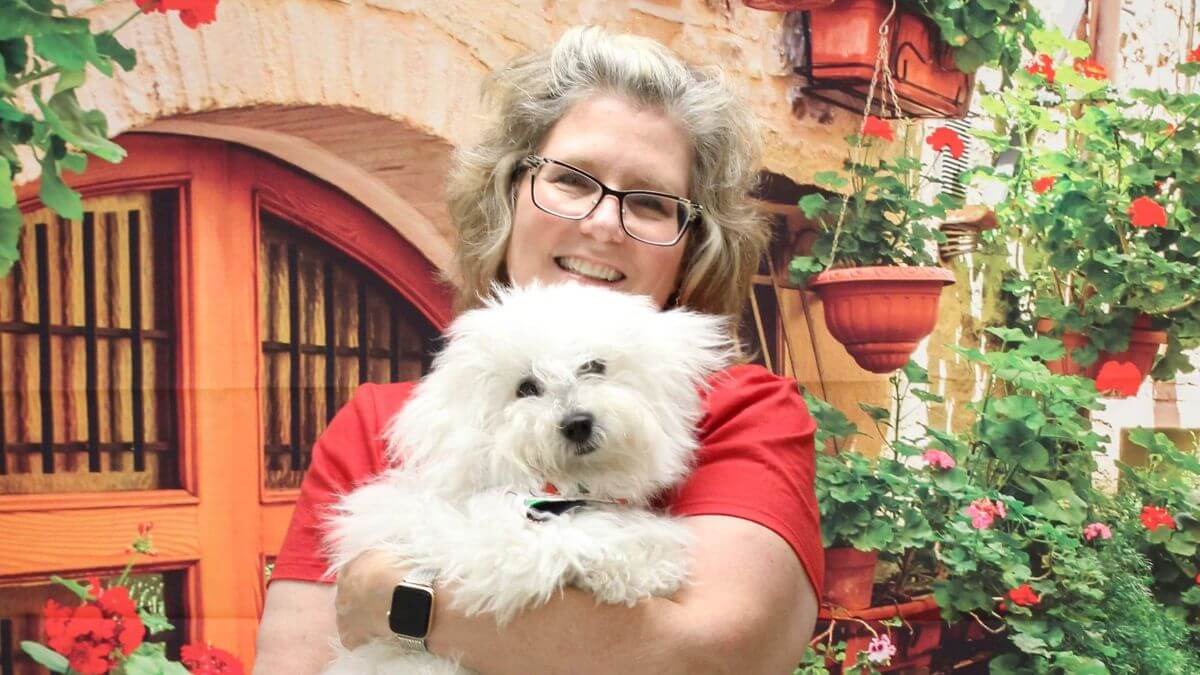
Lisa Heimiller of Blossom Bolognese shares her journey, breed hallmarks, testing, and passion for preserving the rare Bolognese breed.
The Weekly Brief
The best of SHOWSIGHT editorials, weekly wins, and breeder commentary — delivered to your inbox every Sunday morning.
Lisa Heimiller: My name is Lisa Heimiller, and I am completely in love with the Bolognese breed. I was introduced to the breed in 2018. It was literally love at first sight. We were so impressed with how friendly and sociable these dogs were. Sweet and calm, everyone came over for a pat and a cuddle. No one was upset that we were handling their puppies… and the puppies! Sweet little clouds of fluff with little wiggly tails.
With the help of my husband, Ron, I decided that I would love to share this joy with others. Blossom Bolognese was born. Our name is a nod to my husband’s profession, as a greenhouse grower, and our love of “growing” things. Blossoms and Bolognese.
Lisa Heimiller: The hallmarks of our breed include a compact, sturdy, square body with a white coat of crinkled, wavy flocks. They have round, dark eyes and black noses. They are a natural breed, not to be overgroomed, and should have the appearance of being untrimmed. The Bolo temperament is sweet and loving; they are completely devoted to their humans. They are known to follow you throughout the house wherever you go! They are charming, witty, and funny. They are not high energy, but will entertain you with their antics and their “Bolo Dance.”
Lisa Heimiller: I do think there are enough puppy homes to support breeding a litter this year. I feel that as more people discover this breed, the more they will be charmed by them. Also, I have puppy owners who are now thinking about adding another to their crew, or friends of puppy owners who would like a sweet companion for themselves.
Lisa Heimiller: My goal is to preserve, protect, and promote this exquisite, rare breed. To ensure the health of future generations, I firmly believe in the importance of testing. My Bolognese are examined annually for patellar luxation. They also see a veterinary ophthalmologist for their annual Companion Eye Registry Exam. I perform a full panel DNA test on all my breeding pairs, not only to make sure they are compatible but also to have information and to contribute data to the ever-changing research in canine genetics. As we further this breed here in the US, it is important that we prevent genetic problems in our beloved Bolos, but also maintain a diverse gene pool. That is something that can only be done if we utilize all the tools available to us. This is a relatively healthy breed; it is our job as breeders to keep it so.
Lisa Heimiller: I am not sure what the public’s perception of a purebred dog is, or if it has changed. I know many loveable and healthy mutts, plus rescuing a dog from a bad situation is always admirable; however, you don’t always get what you bargained for with regards to health and behavior. There is something to be said for a purposefully bred dog and for preserving what has been purposely bred for centuries.
Lisa Heimiller: I have not been in the sport long enough to comment on this.
Lisa Heimiller: I am so excited that the Bolognese has been accepted into the AKC Miscellaneous Class. I am taking handling classes and learning how to show my dogs. I am new to this sport and am so thankful for my mentors and the kind, helpful people that I have met at shows and classes. I am happy that it will be easier to share these sweet, charismatic little dogs with the rest of the United States as they become more recognized by those who haven’t been introduced to them. As they say, “You don’t know until you know.”

Meet the Breeders